U.S. Officials Say Sanctions May Hurt Iran More Than Bombs
Senior Trump administration officials say the renewed sanctions campaign is squeezing Iran’s economy more effectively than airstrikes, even as Washington keeps military pressure and diplomacy in play.
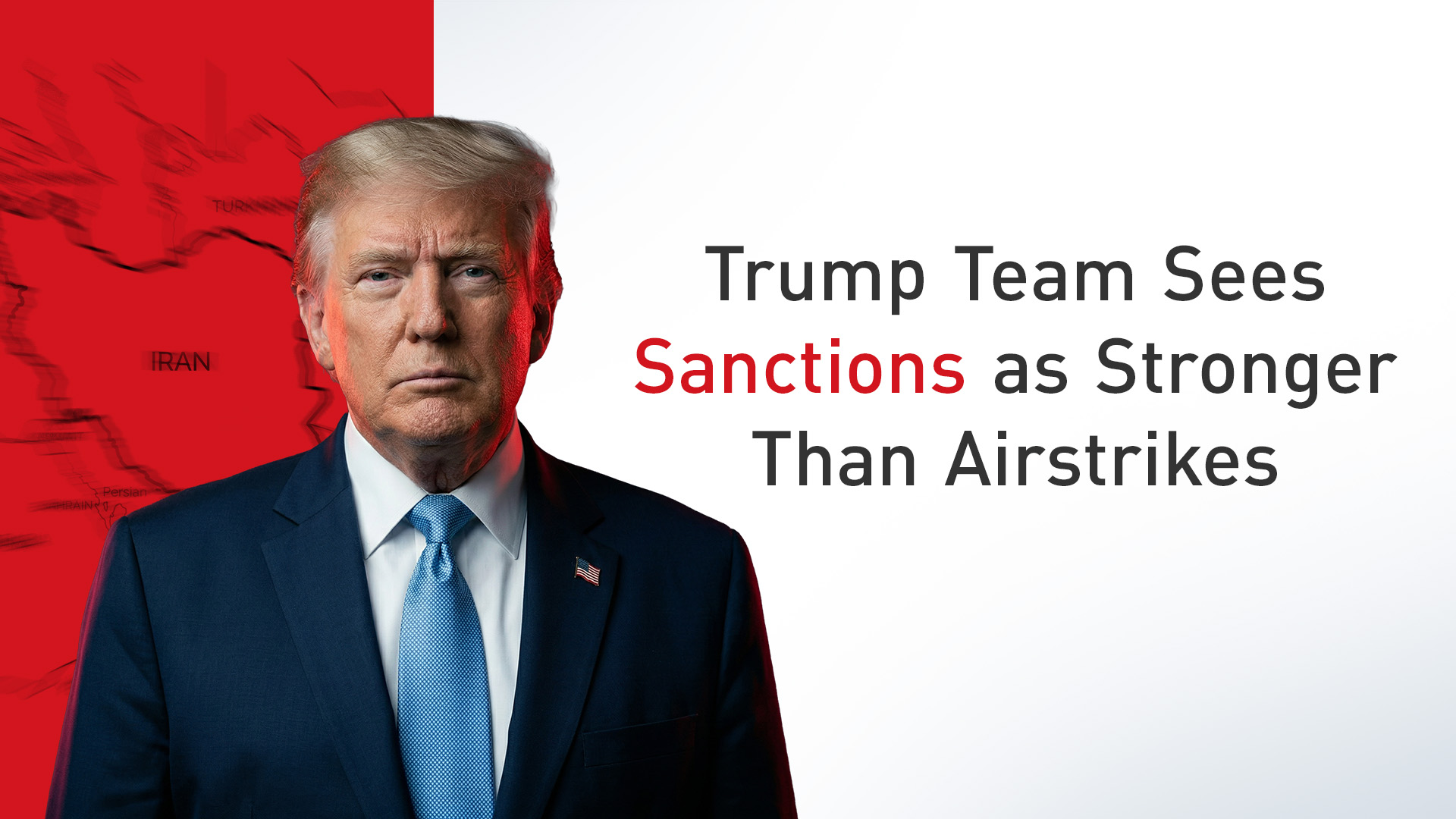
ERBIL (Kurdistan24) - Senior Trump administration officials increasingly believe that the White House's revived sanctions campaign may inflict deeper, longer-lasting damage on Iran than a wider bombing campaign, according to Axios, as Washington looks for a way to pressure Tehran without crossing into another open-ended regional war.
The shift in emphasis reflects a broader view inside the administration that financial isolation, not just military force, is the clearest path to leverage.
U.S. officials told Axios that Treasury Secretary Scott Bessent's sanctions drive is already worsening strains inside Iran's economy, from fuel shortages to pressure on the banking system and complaints that the government is struggling to fund its regional network of allies.
"The Iranians want to stop being bombed and they want money," one senior administration official told Axios. "But that's almost in reverse order. They really want the money first."
That assessment has become part of the administration's case that sanctions are doing more than symbolism.
According to U.S. officials cited by Axios, intelligence and open-source reporting indicate that Iran is facing mounting economic stress despite its oil wealth.
They pointed to gasoline shortages, signs of financial pressure on groups aligned with Tehran, and warnings that banks could come under strain if conditions worsen.
"They're more scared of Treasury than the War Department," one official said, arguing that sanctions are now the most effective pressure point in Washington's broader strategy.
The campaign is being run in tandem with other tools.
Trump paused U.S. strikes over the weekend after 13 straight days of attacks, saying Monday that he had chosen to give diplomacy room to work.
The White House says it still retains every military option if Tehran continues activities Washington considers threatening in the Strait of Hormuz or against U.S. allies.
White House press secretary Karoline Leavitt told Axios that the president "prefers a diplomatic solution," but added that he has not ruled out further action if Iran does not change course. She said the combination of strikes and sanctions should persuade Tehran to negotiate rather than escalate.
For now, Washington is relying on a mix of military deterrence and economic coercion while regional mediators try to turn the pause in fighting into a more durable ceasefire.
Oman, Qatar and Pakistan have all been involved in efforts to keep contacts open between the two sides, including discussions on maritime security in the Strait of Hormuz, where tension has repeatedly threatened global shipping.
One proposal under discussion would give Iran and Oman a greater role in managing traffic through the strait, drawing inspiration from shared maritime arrangements elsewhere in Asia.
Axios reported that the idea is still being debated inside Tehran itself. U.S. officials also said Iran is seeking assurances that it will not be attacked again, along with access to frozen assets and relief from sanctions.
Washington, meanwhile, is pressing Tehran to give up the nuclear material it still retains before any larger concessions are made.
Iranian officials have denied Trump's claim that Tehran asked for direct talks.
The government says it is engaged with mediators, not submitting to pressure. From Washington's perspective, though, the goal is to keep negotiations alive while leaving military and financial pressure in place.
That approach has its skeptics. Some analysts argue that neither bombs nor sanctions alone are likely to force a strategic shift in Tehran, especially as Iran continues to generate substantial oil income despite restrictions.
Brett Erickson, an analyst with Obsidian Risk Advisors, estimated that Iran brought in about $23 billion in oil revenue in the first half of the year, above the government's own expectations.
Trump administration officials nonetheless insist the pressure campaign is working.
The United States has sanctioned more than 1,000 individuals, vessels and aircraft under the revived maximum-pressure effort, targeting Iran's oil trade, shadow banking channels, weapons procurement and shipping networks.
Officials argue that those steps, paired with military restraint rather than escalation, give Washington a better negotiating position.
As one U.S. official put it, the president sees "win-win optionality": the ability to continue military action if needed, or to intensify financial pressure until Tehran is forced toward a deal.
For now, the administration is betting that sanctions will do what bombs alone may not, that is to undermine Iran's ability to sustain its regional posture and create enough leverage to push it back into talks.
|
Summary U.S. officials say the Trump administration's sanctions on Iran may be more effective than bombs, as Treasury pressure, fuel shortages and banking strains deepen. The strategy combines diplomacy, maritime tensions in the Strait of Hormuz and Middle East leverage as talks continue. |