Five Iranian Advisers Killed in US-Saudi Strikes on Iraq's PMF as Iran-Backed Militias Vow Retaliation
Islamic Resistance in Iraq warns response is 'inevitable' and says future attacks could target Saudi Arabia following deadly strikes in Diyala Province
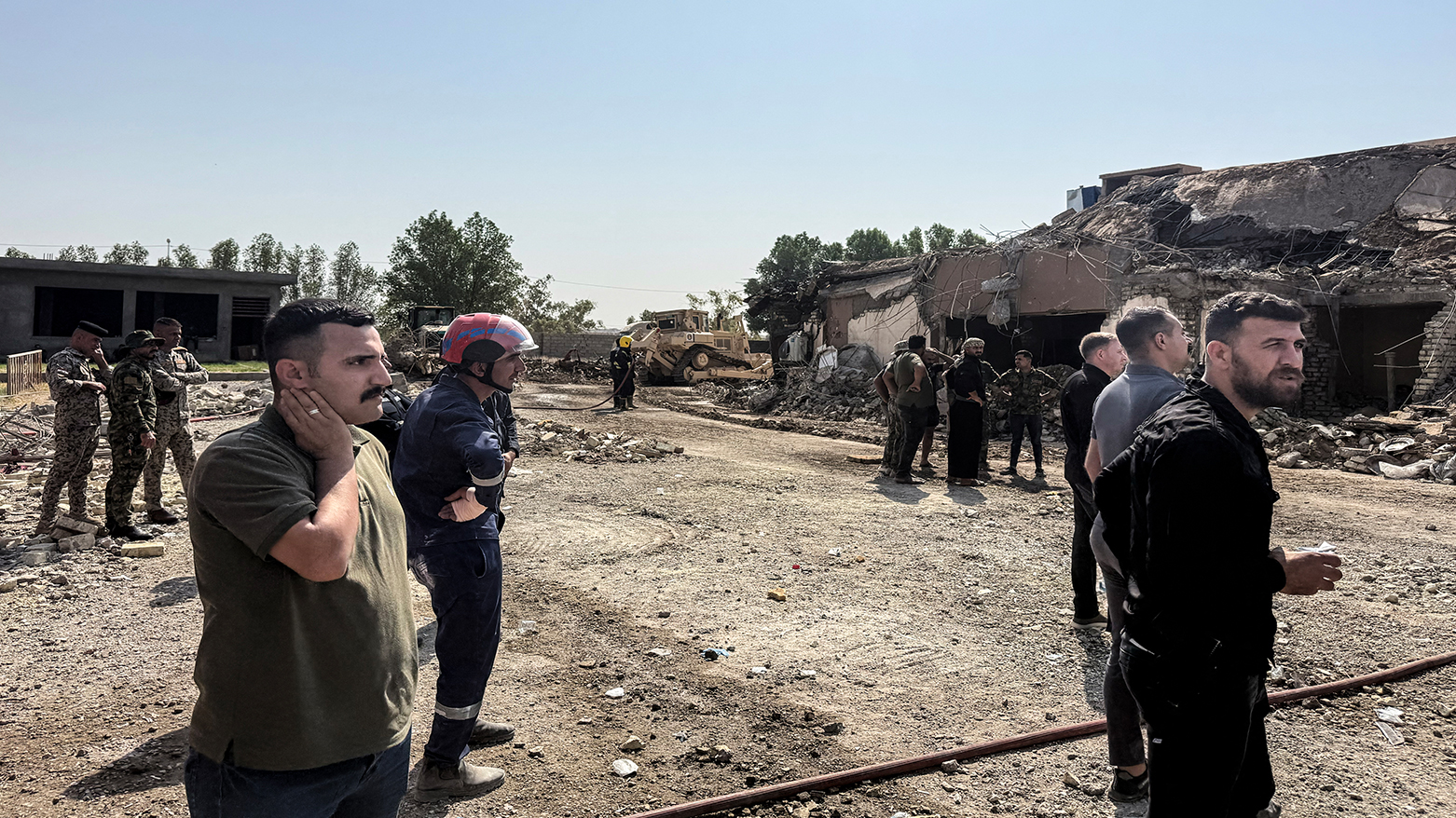
ERBIL (Kurdistan24) — Five Iranian military advisers were killed in the latest US-Saudi strikes targeting Iraq's Popular Mobilization Forces (PMF), according to two PMF sources, as a powerful coalition of Iran-backed armed groups vowed retaliation and warned that Saudi Arabia could become a target.
The coordinated strikes early Wednesday hit positions belonging to the PMF, also known as the Hashed al-Shaabi, an Iraqi state-recognized security force that includes several influential pro-Iran armed factions.
Two PMF sources told AFP on Wednesday that the five Iranian advisers were killed in an airstrike in Iraq's central Diyala province. The sources did not identify the advisers or specify their military affiliation.
AFP correspondents in Baghdad witnessed coffins draped in Iranian flags during a funeral ceremony organized by the PMF to honor those killed in the strikes, underscoring the close ties between some PMF factions and Iran.
The deaths come amid escalating regional tensions following a series of military exchanges involving the United States, Saudi Arabia, and Iran-backed groups operating across the Middle East.
Later on Wednesday, the Islamic Resistance in Iraq, an umbrella coalition of pro-Iran armed factions that has claimed responsibility for hundreds of attacks on US military facilities in Iraq and elsewhere in the region during the ongoing Middle East conflict, vowed to retaliate.
"Our response to the American enemy is inevitable, and may target its tools in Saudi Arabia," the group said in a statement, signaling that Saudi interests could be included in any future reprisals.
The warning raises the prospect of a broader regional escalation, as Iran-aligned groups continue to expand the scope of their threats beyond US military installations to include Washington's regional allies.
The latest exchange marks another sharp escalation in the long-running confrontation between the United States and Iran-backed militias in Iraq, where armed groups aligned with Tehran remain among the country's most powerful non-state actors despite their formal integration into Iraq's security apparatus.
In response to the escalation, Iraq's Ministerial Council for National Security reaffirmed the country's commitment to protecting its sovereignty, announcing a comprehensive security plan aimed at strengthening control across the country, preventing violations of Iraqi territory, and ensuring that Iraq is not used as a launchpad for attacks against neighboring states.
The move reflects Baghdad's efforts to contain the fallout from the latest confrontation and prevent the country from being drawn deeper into the regional conflict.