US Lawmaker Calls for Halting Aid to Iraq Until Iran-Backed Militias Are Disarmed
Rep. Joe Wilson says US taxpayers should not fund Iraqi salaries for PMF members while Iran-backed groups continue attacking American forces, following deadly US-Saudi strikes in Iraq
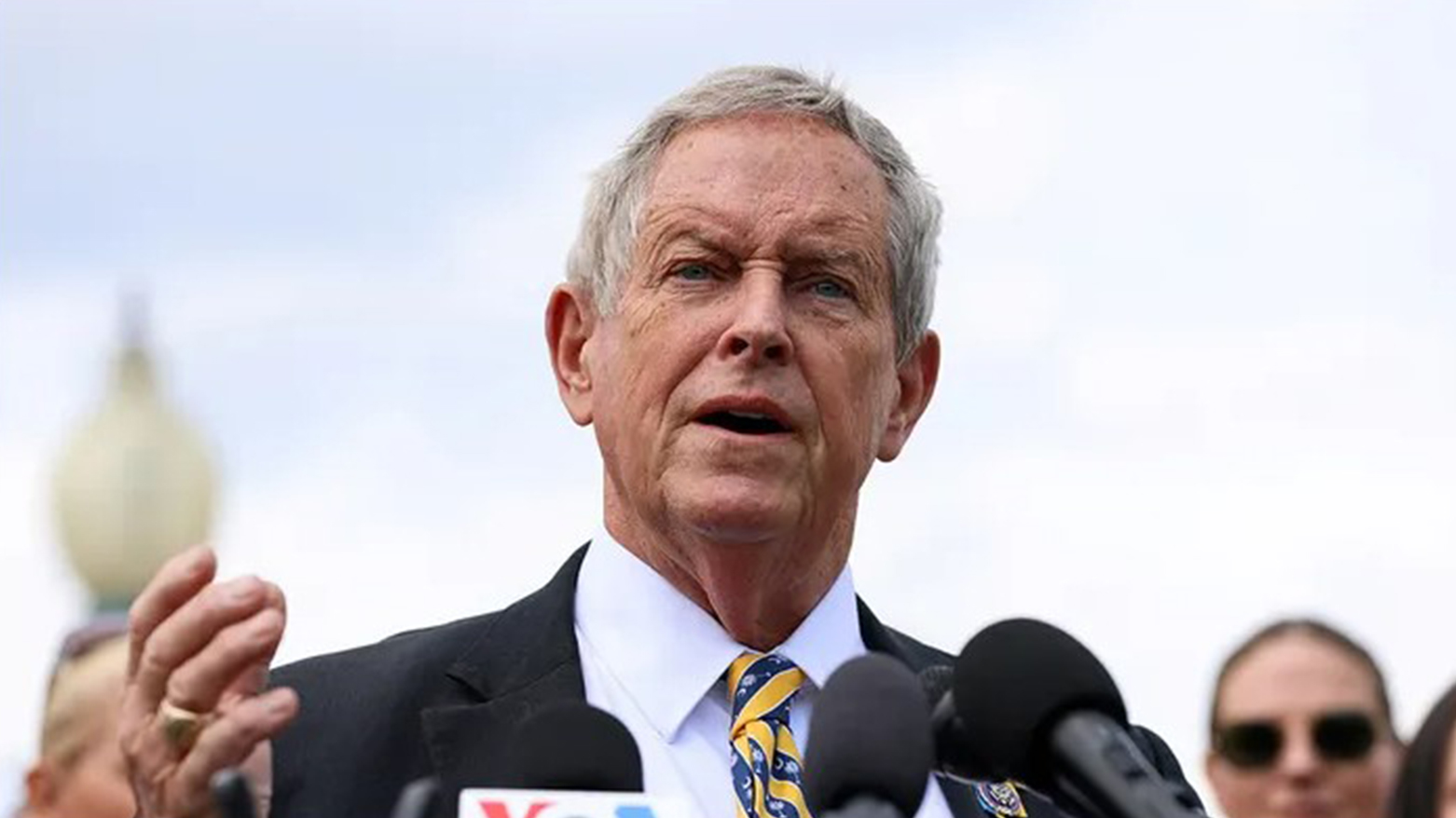
ERBIL (Kurdistan24) — US Representative Joe Wilson on Wednesday called for cutting US funding to Iraq unless Baghdad disarms and dismantles Iran-backed militias, arguing that American taxpayer money should not support security forces whose members are accused of attacking US troops.
In a post on his X account, the South Carolina Republican said the US House of Representatives had approved a provision in the National Defense Authorization Act (NDAA) reflecting that position.
"US funds the Iraqi government which pays salaries of the PMF while Iran-backed militias attack our forces. This has to stop," Wilson wrote.
"I'm grateful the House NDAA included my provision to cut funding to Iraq unless they disarm, demobilize and reintegrate all Iran-backed militias," he added.
Wilson's remarks come as Washington intensifies pressure on Baghdad to curb the influence of Iran-backed armed groups operating within Iraq's security establishment, following coordinated US-Saudi strikes against those factions earlier on Wednesday.
The proposal targets Iraq's Popular Mobilization Forces (PMF), also known as the Hashed al-Shaabi, a state-recognized security force that includes several powerful Iran-backed factions designated as terrorist organizations by the United States.
Although the PMF was formally integrated into Iraq's armed forces in 2016, Washington has long argued that some of its constituent groups continue to operate independently of the Iraqi state while carrying out attacks against US personnel and regional allies.
The debate over US assistance to Iraq has intensified amid renewed regional violence, with American officials pressing Baghdad to fully implement plans to disarm armed factions that remain outside effective state control.
Earlier this year, Iraqi Prime Minister Ali al-Zaidi pledged that Iran-backed groups would surrender their weapons as part of broader security reforms, though his government has encountered resistance from influential militia factions.
According to the Iraqi government, those armed groups have until September 30 to complete the disarmament process.
The renewed pressure follows coordinated US-Saudi strikes on Wednesday that Iraqi officials and the PMF said killed at least 20 militants, including several Iranian nationals.
The Popular Mobilization Forces said at least 20 fighters were killed and another 32 wounded in the strikes. Two senior PMF officials told AFP that five Iranian advisers were among those killed in an airstrike in Diyala Province, while AFP correspondents witnessed coffins draped in Iranian flags during funeral ceremonies held in Baghdad.
The United States and Saudi Arabia said the strikes targeted Iran-backed militants in response to attacks against US military personnel and Saudi oil infrastructure.
The strikes have further heightened tensions in Iraq, where the longstanding rivalry between Washington and Tehran has repeatedly turned the country into a battleground for proxy confrontation.
The PMF was established in 2014 to fight ISIS before being formally incorporated into Iraq's armed forces, but today includes several powerful Iran-backed factions widely accused of operating outside government control.
Among the most active is the Islamic Resistance in Iraq, an umbrella alliance of pro-Iran armed groups that has claimed responsibility for hundreds of attacks against US military facilities across Iraq and the wider region during the ongoing Middle East conflict.
Following Wednesday's strikes, the group warned that its response to the United States was "inevitable" and could target Saudi Arabia. However, it said any retaliation would be delayed until after the Arbaeen pilgrimage, one of the most significant religious observances for Shia Muslims.
The militias denied responsibility for the recent drone attacks targeting Saudi Arabia and have not claimed any operations since the resumption of the US-Iran conflict earlier this month.
Baghdad condemned the US-Saudi strikes as a violation of Iraqi sovereignty, rejecting "all acts of aggression" regardless of their justification.
Iraq's Ministerial Council for National Security said it had adopted a comprehensive security plan to prevent any party from using Iraqi territory to threaten neighboring countries while reaffirming the state's exclusive authority over weapons.
Oil-rich Iraq continues to navigate a delicate balance between its two principal allies—the United States and Iran—as the latest escalation threatens to draw the country deeper into regional conflict.