Trump Cancels Massive Iran Strike After Tehran Requests Halt, Demands Hormuz Opening and Nuclear Deal
US president says America was "locked and loaded" for unprecedented military action before Iran and regional countries asked for a pause, with Israel joining Washington's commitment to hold fire pending a rapid deal
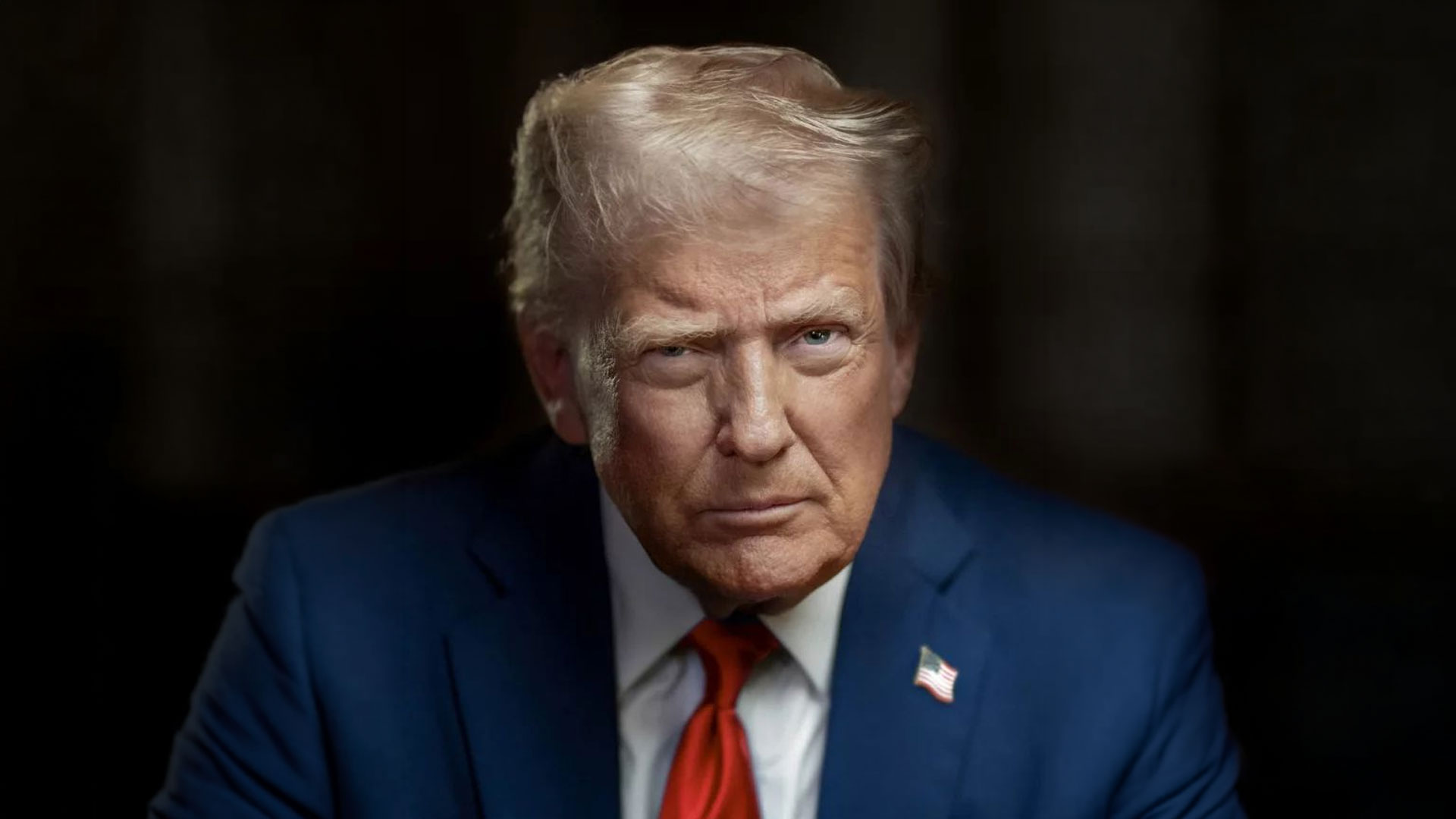
WASHINGTON, D.C. (Kurdistan 24) - President Donald Trump announced on Saturday that he has cancelled a planned massive military strike against Iran after receiving a request from Tehran and other Middle Eastern countries to hold off, saying the parameters of a deal have been agreed to that would include the immediate, complete, and total opening of the Strait of Hormuz and an end to Iran's nuclear threat.
"The US is locked and loaded and ready to go against the Islamic Republic of Iran, at levels of Military Terror, Strength, and Power not seen since World War II," Trump wrote on Truth Social on Saturday. "Despite this, we have just been asked by Iran, and other Middle Eastern Countries, to hold off any attack in that the perimeters of a deal has been agreed to."
Trump said the agreed parameters include the immediate, complete, and total opening of the Strait of Hormuz and an end to Iran's nuclear threat, two conditions that Washington has pursued as non-negotiable demands throughout the five months of conflict. "Based on this request, I have agreed, for the future benefit of the WORLD and, likewise, the survival of a successful and prosperous Iran, to cancel the attack, subject to being able to rapidly make a DEAL," Trump wrote. "The Country of Israel joins me in this commitment. Get to work, everybody, and get it DONE."
The announcement comes one day after Saudi Crown Prince Mohammed bin Salman called Trump on Saturday to personally urge de-escalation and express concern over Washington's plans for massive new strikes against Iranian energy targets, according to two US officials and a third source with knowledge of the call cited by Axios. MBS warned that a large-scale American strike on Iranian energy infrastructure could trigger Iran's stated retaliation plan against oil and gas facilities across Saudi Arabia, the UAE, Qatar, and Israel, an outcome Riyadh feared could produce an unprecedented regional catastrophe.
The scale of the military action Trump described as cancelled is significant. CENTCOM had been preparing options for a 10 to 14-day intensive air campaign specifically targeting Tehran's missile capabilities, as the Wall Street Journal reported on July 29, 2026. Trump had told Axios he was weighing a "massive attack" on Iran bigger than anything Washington had yet attempted in the conflict, and CENTCOM had completed multiple consecutive nights of strikes against Iranian military targets in the weeks preceding the announcement.
The cancellation also follows a direct sequence of escalatory events that had brought the conflict to its most dangerous threshold. On July 17, 2026, Iran struck Muwaffaq Salti Air Base in Jordan, killing two US service members, wounding dozens, and damaging multiple aircraft. The IRGC fired missiles at US forces in Jordan in a surprise attack on July 28, all intercepted. The IRGC Navy claimed three tankers were struck and halted in the Strait of Hormuz in Statement No. 53 on July 28. Iran's state-linked media threatened strikes on oil and gas facilities across Saudi Arabia, UAE, Qatar, and Israel on July 31. And MBS called Trump on Saturday to urge restraint before Trump's Truth Social post announced the cancellation.
Trump's framing of the cancellation as a response to Iran's own request, rather than as a unilateral American decision to stand down, preserves Washington's position of strength while opening a diplomatic window that both sides appear to have agreed to step through simultaneously. The condition that the deal must be made "rapidly" signals that the military option remains active and that the cancellation is conditional rather than permanent.
Israel's joining of the commitment to hold fire is diplomatically significant, given that Jerusalem and Washington have repeatedly diverged on war aims throughout the conflict, with Israel seeking more expansive military objectives including the permanent degradation of Iran's proxy network and the weakening of its government, while Washington has focused on extracting a negotiated settlement. Israel's explicit endorsement of the deal parameters, including the Hormuz opening and the nuclear threat resolution, suggests a degree of Israeli-American realignment on the endgame that has not been visible throughout the preceding months.
As the conflict enters its 154th day, Trump's Truth Social announcement represents the most significant diplomatic breakthrough since the June 17, 2026, memorandum of understanding, which itself unraveled within weeks. Whether the parameters now described as agreed hold through the rapid deal-making process Trump has demanded will determine whether this moment marks the beginning of the conflict's genuine resolution or another chapter in a five-month cycle of ceasefire, collapse, and renewed hostilities.
| BRIEF: President Trump announced on Saturday that he cancelled a massive planned strike on Iran after receiving a request from Tehran and regional countries, saying deal parameters have been agreed, including the immediate opening of the Strait of Hormuz and an end to Iran's nuclear threat. Israel joined Washington's commitment to hold fire pending a rapid deal. |