'We Cried Until No Tears Were Left': Ezidi Survivor Edo Recalls ISIS Captivity 12 Years After Genocide
As the Ezidi genocide marks its 12th anniversary, one survivor's testimony reveals the enduring trauma of ISIS captivity while underscoring the unfinished struggle for justice, reconstruction, and return.
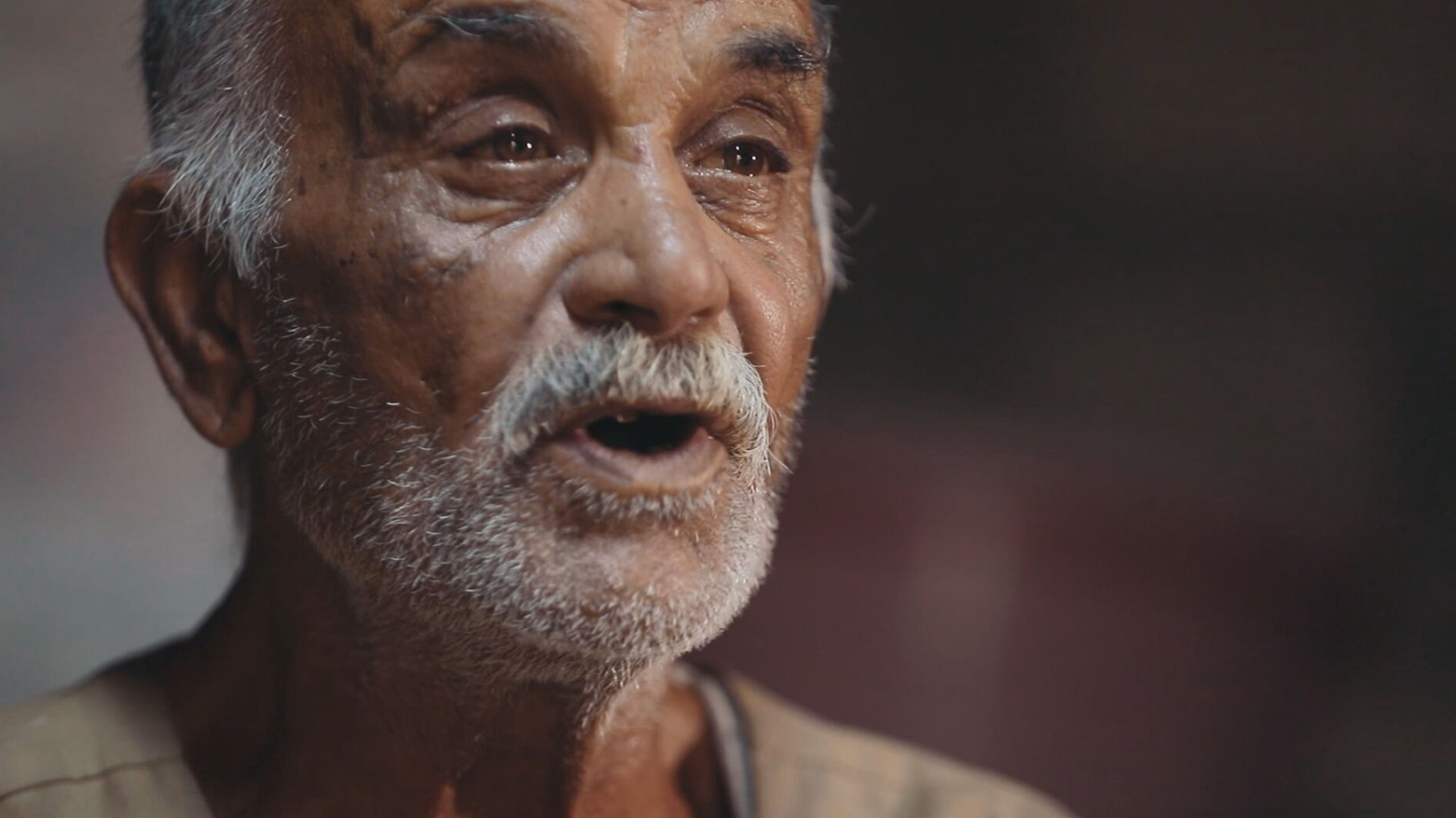
ERBIL (Kurdistan24) - Twelve years after ISIS launched its genocidal assault on Sinjar, the scars of that campaign remain etched not only across a devastated homeland but in the memories of survivors who continue to live with its consequences. Among them is 70-year-old Edo, whose recollections of captivity, separation, and loss offer a deeply personal window into one of the darkest chapters in Iraq's modern history.
In a Kurdistan24 report by Mahir Shingali, the journey begins not with statistics or political statements, but with a simple question inside a displacement camp.

"Where is Uncle Edo's house?" the reporter asks.
"This is Edo's house," a Xanke (Khanke) camp resident replies, pointing toward the modest shelter where the survivor has spent years after escaping ISIS captivity.
The exchange introduces a story that reflects the experiences of thousands of Ezidis whose lives were shattered when ISIS swept into Sinjar on Aug. 3, 2014.

"Twelve years have passed, yet the wounds of the Ezidi genocide have not healed," Shingali narrates. "Beneath every weathered tent and along the paths of this camp lies a story of agony, one that shatters the souls of both the teller and the listener."
For Edo, those memories remain painfully vivid.
"On August 3, 2014, we were captured near Til Binat," he recalled. "They took us to Til Binat, then to Kocho, and from Kocho to Qezilqeyo. From there, they took us to the forests of Mosul."
His voice breaks as he remembers the moment families were torn apart.

"I wept the most when they began taking women away, sorting through us and separating us from them," he said. "They said they were going to sell them—the girls and women—for $300."
Captivity brought relentless violence and deprivation.
"Food was scarce, and there were constant beatings," Edo said. "They beat the young men and took the women; there was no one left who did not cry. We cried until the very tears in our eyes ran dry. Even now, my vision is failing because of all those tears."
His suffering did not end with liberation. Living with the loss of a hand and a foot, Edo now faces daily physical hardship alongside psychological trauma that has never fully subsided.

"I was deeply distressed and utterly broken," he said, reflecting on the day he was finally released. "When I finally came home—when they released us on January 17th—I realized how helpless I had been."
Even basic human interaction had been forbidden during captivity.
"In prison, we had nothing," he said. "We weren't allowed to be near one another; it was forbidden. We couldn't even speak to each other. Our deaths were always right there, before our very eyes."
Edo's testimony echoes the broader reality confronting the Ezidi community more than a decade after ISIS was driven from Sinjar.

According to official figures, more than 5,000 Ezidis were killed during the 2014 assault, while thousands of women and children were abducted. Although thousands of captives have since been rescued, approximately 2,820 Ezidis remain missing, leaving countless families without answers.
The district itself has yet to fully recover. Large sections of Sinjar remain affected by damaged infrastructure, limited public services, fragmented security arrangements, and the continued presence of illegal armed groups, factors that survivors say continue to discourage large-scale returns.

Data from the Duhok Bureau of Migration and Crisis Response indicate that although around 100,000 displaced Ezidis have returned to Sinjar, more than 270,000 survivors still live in displacement camps across the Kurdistan Region, while many others have sought refuge abroad.
For survivors like Edo, anniversaries are not simply moments of remembrance. They are reminders that the consequences of genocide persist long after the guns fall silent.
His story stands as both a testimony to unimaginable suffering and a reminder that justice for the Ezidi community remains incomplete. As Iraq marks twelve years since the genocide, survivors continue to call not only for accountability for ISIS's crimes, but also for the security, reconstruction, and stability needed to allow families to return home and begin rebuilding lives interrupted by one of the worst atrocities of the 21st century.


Kurdistan24 correspondent Mahir Shingali contributed to this report.