The Volkswagen Called 'Brazili' in Iraq and 'Iraquiano' in Brazil
A 1980s Brazil-Iraq oil-for-cars deal produced the Passat LSE, a vehicle known as "Brazili" in Iraq and "Iraquiano" in Brazil.
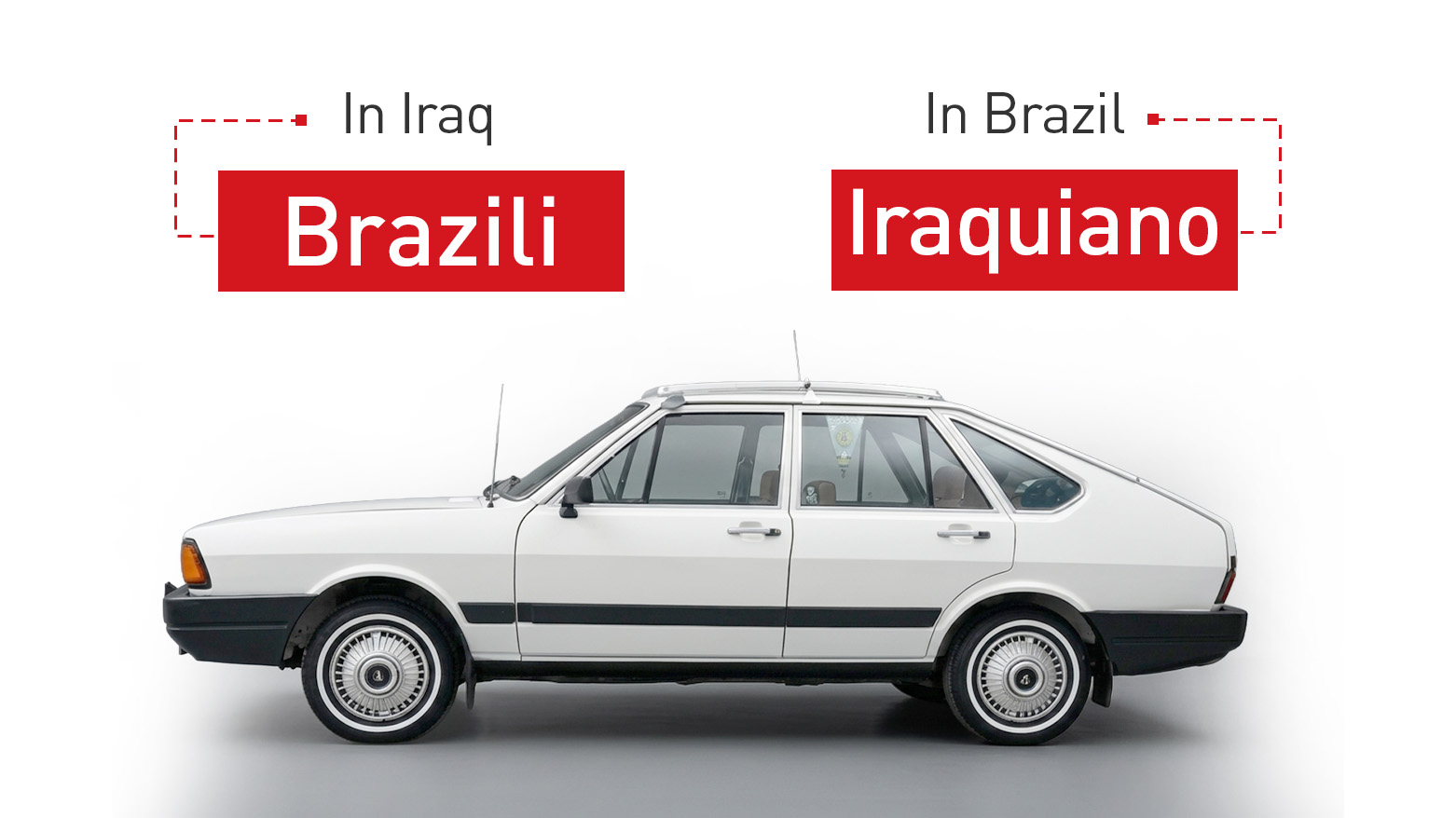
ERBIL (Kurdistan24) - A Volkswagen Passat built in Brazil acquired two remarkably different identities in the countries linked to its production and destination: Iraqis came to know it as "Brazili," or Brazilian, while Brazilians called the same Iraq-specification model "Iraquiano," or Iraqi.
The unusual nicknames grew out of a Cold War-era commercial arrangement in which Brazilian-made cars were exchanged for Iraqi crude oil, turning the Passat LSE into an enduring reminder of an unusual economic relationship between the two countries.
The car built for Iraq
The deal emerged in the early 1980s, when Brazil was facing foreign-exchange and oil-supply pressures while Iraq needed civilian vehicles during the Iran-Iraq War.
According to historical accounts and Brazilian automotive publications, Wolfgang Sauer, then president of Volkswagen do Brasil, proposed a countertrade arrangement involving Brazilian-built Passats and Iraqi crude.
Petrobras and its trading arm, Interbras, were involved in acquiring the Iraqi oil, while Volkswagen received payment through the agreed financial arrangements.
Regular Passat LSE exports began in 1983.
A major contract signed around 1984 covered roughly 180,000 vehicles plus parts and was valued at about $1.7 billion.
Actual deliveries are generally reported at around 170,000 to 180,000 vehicles, rather than the much larger figures sometimes cited.
The wartime logistics were complicated. Vehicles were shipped to Aqaba in Jordan before being transported roughly 1,200 kilometers by road into Iraq, while oil moved in the opposite direction.
The four-door Passat LSE was also adapted for Iraqi conditions.
It came with standard air conditioning, enhanced cooling, a copper radiator and more powerful fan, an engine under-guard, mud flaps and additional tow hooks.
The cars used a 1.6-liter MD-270 gasoline engine and four-speed manual transmission, with Volkswagen retaining an older powertrain partly to simplify maintenance and parts supply.
Why Iraq called it "Brazili"
The vehicles were widely known in Iraq as "Brazili" or "Brasili," a name associated with their Brazilian origin and "Made in Brazil" identification.
Their reputation was built less on performance than on practicality.
The cars were designed for extreme heat, dusty conditions and difficult roads, and their relatively simple mechanical configuration helped make them easier to maintain.
Many remained on Iraqi roads for years, including as family vehicles and taxis.
Historical accounts and recollections have described the Passat as a familiar sight long after the original export program ended, although estimates of how many survived vary and are not firmly established.
Why Brazil called it "Iraquiano"
The name took on an almost opposite meaning when a smaller number of Iraq-specification Passats were redirected to Brazil in 1986 and 1987.
War-related disruptions affected the export program, leaving Volkswagen with an excess production run of cars built for the Iraqi market.
Rather than leave the specialized vehicles unsold, the company offered them to Brazilian buyers.
Brazilian automotive publication Quatro Rodas reported on the unusual model and its reception.
Buyers quickly recognized that the cars differed from contemporary Brazilian Passats, notably through their standard air conditioning, four-door configuration and relatively generous equipment.
They became known as the "Passat Iraque" or simply "Iraquiano." Despite an older engine and four-speed gearbox, competitive pricing and equipment helped the cars find buyers in Brazil.
A car with two national identities
The Passat LSE's story is unusual because its identity effectively changed depending on where it was seen.
In Iraq, it was the "Brazilian" car that arrived through a major oil-for-vehicles arrangement.
In Brazil, it became the "Iraqi" Passat because it had been built for a foreign market and later returned to its country of manufacture.
Contemporary reporting by The New York Times, along with accounts in Brazilian automotive publications and Wolfgang Sauer's memoir O Homem Volkswagen, documents the scale and complexity of the trade.
More than a classic-car curiosity, the Passat represents a little-known chapter in Brazil-Iraq economic relations. Its two enduring nicknames preserve that history in unusually simple terms: in Iraq, the Brazilian; in Brazil, the Iraqi.