Washington Puts Oil Flows Ahead of Iran’s Nuclear Program
Washington is increasingly prioritizing the restoration of oil flows and lower fuel prices as it weighs economic pressure on Tehran over further military strikes.
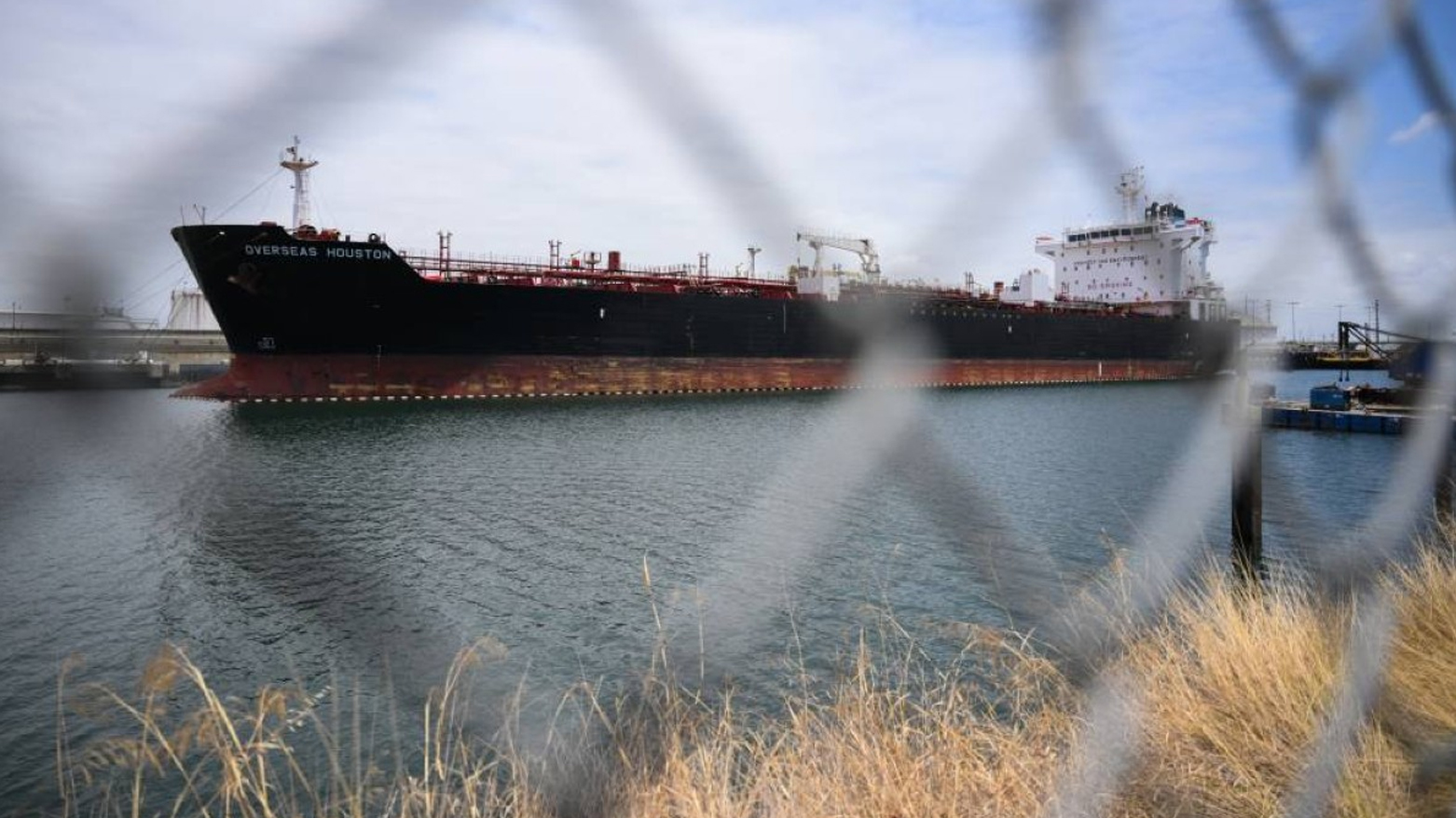
ERBIL (Kurdistan24) - The United States is shifting its immediate focus in the war with Iran toward energy supplies and oil prices, with Vice President JD Vance saying that restoring the flow of oil through the Strait of Hormuz now takes priority over the nuclear issue as the conflict approaches its sixth month.
Vance told Fox News that Washington’s first objective is to ensure affordable oil and gas prices for Americans, while preventing Iran from obtaining a nuclear weapon remains a second priority.
“I know oil prices are low these days, and lower than the high levels recorded in the early days of the conflict,” Vance said.
“This is the number one goal, keeping cheap oil and gas prices for Americans across our country,” he added, stressing that “the second objective is to ensure that Iran never gets a nuclear weapon.”
The comments come as the administration of US President Donald Trump moves toward increasing economic pressure on Tehran rather than launching further major military strikes.
US Treasury Secretary Scott Bessent separately threatened Iran with new economic sanctions, signaling a further tightening of Washington’s approach toward Tehran.
Bessent said the measures could involve an unprecedented level of economic isolation and indicated that new sanctions could be announced next week.
He also said the continued blockade of the Strait of Hormuz would prevent anything from entering or leaving Iranian ports.
The shift comes as Trump appears hesitant to resume military strikes, while Republicans are concerned that the unpopular war and its economic consequences could cost them their congressional majority in the November midterm elections.
The United States and Israel launched the war against Iran on Feb. 28, citing several objectives, including preventing Tehran from developing a nuclear weapon. Iran responded by targeting countries in the region and restricting navigation through the Strait of Hormuz, a vital route for energy supplies, causing market disruptions and pushing fuel prices higher.
Iran resumes crude shipments from Kharg Island
Against this backdrop, Tanker Trackers reported that Iran has resumed crude oil shipments from Kharg Island.
The company, which monitors maritime navigation and oil tankers, said it had observed a large tanker belonging to the National Iranian Tanker Company loading around two million barrels of crude oil at the Azarbad terminal on Kharg Island on Thursday.
According to a report issued Friday, Aug. 14, 2026, the operation was the first recorded at the main Kharg Island port since the end of July, although shipments have continued through other ports.
The company suggested that Iran’s current oil production levels are roughly in line with domestic refinery consumption, potentially reducing Tehran’s immediate need to export large volumes of crude.
The development came alongside remarks by US Defense Secretary Pete Hegseth, who said the US Navy would continue imposing maritime restrictions and a blockade on Iranian ports for as long as necessary, while maintaining Washington’s readiness to continue military and economic pressure on Tehran.
The Wall Street Journal reported, citing US officials, that arrangements are being made to redeploy naval forces in the Middle East, including the deployment of the aircraft carrier George Washington to replace the Abraham Lincoln as part of a regular fleet rotation.
Oil prices rose sharply during the war, at times exceeding $110 per barrel, a level not seen since Russia’s invasion of Ukraine in 2022. Prices are currently trading between $80 and $86 per barrel, although markets remain vulnerable to developments in the conflict.
Restrictions on navigation through the Strait of Hormuz have disrupted exports from several Gulf countries and forced them to seek alternative routes.
Iraq is among the countries affected, having previously exported the overwhelming majority of its oil production through the strait.
Iraqi Oil Minister Bassem Khudhir said Friday that Iraq had exported an average of two million barrels per day in August, the highest level since the beginning of the Middle East war.
“Exports since the beginning of the month have averaged two million barrels” per day, he said, equivalent to approximately 26 million barrels. He added that reaching this daily average was “the first time since the beginning of the crisis.”
Vance said Washington sometimes focuses on energy because it wants Americans to be able to afford oil and gas, while at other times it focuses clearly on the military dimension and Iran’s nuclear program.
Vance had been among the administration officials most cautious about the attack on Iran. He led the US negotiating delegation in talks with Tehran mediated by Pakistan, which resulted in a memorandum of understanding to end the war in mid-June.
However, the two sides resumed hostilities briefly in early July, effectively collapsing the understanding. Iran again restricted navigation through the Strait of Hormuz, while Washington resumed its blockade of Iranian ports.
On Friday, the UK Maritime Trade Operations authority reported that an oil tanker was attacked by a drone in the Strait of Hormuz on Thursday, causing minor damage without injuries.
The incident came hours after the United Arab Emirates condemned Iran’s targeting of two vessels belonging to the Abu Dhabi National Oil Company while they were transiting the strait.
The UAE Foreign Ministry said: “The UAE expresses its strong condemnation and denunciation of the Iranian aggression that targeted two tankers belonging to ADNOC while transiting the Strait of Hormuz, with no injuries reported.”
Iran has maintained that ships will only be allowed to cross the Strait of Hormuz along a route close to its coastline and in coordination with Tehran.
It has also said navigation through the strait will not return to its pre-war conditions and that it is discussing its management with Oman, potentially including the imposition of a “service fee” on vessels.
Washington and several other parties reject any such charges and insist on ensuring freedom of navigation through the strategic waterway.
Before his recent statements on increasing economic pressure against Tehran, Trump had signaled the possibility of renewed major strikes. However, US media reports have said the United States has depleted significant stocks of costly air-defense missiles and other weapons, limiting its military options for now.
While Trump continues to insist on reopening the Strait of Hormuz, Tehran has set conditions for doing so, including an end to the war across the region, lifting the US naval blockade, ending economic sanctions, releasing frozen assets and providing compensation for the war.
The competing positions leave the Strait of Hormuz at the center of the confrontation, with Washington increasingly linking the future of the conflict to the restoration of energy flows and the economic pressure that can be exerted on Tehran.