Iraqi Finance Ministry Sets $100 at 150,000 Dinars in Budget
Iraq has set $100 at 150,000 dinars for certain housing payments, but Kurdistan Region investors lack access to the same official-dollar mechanism.
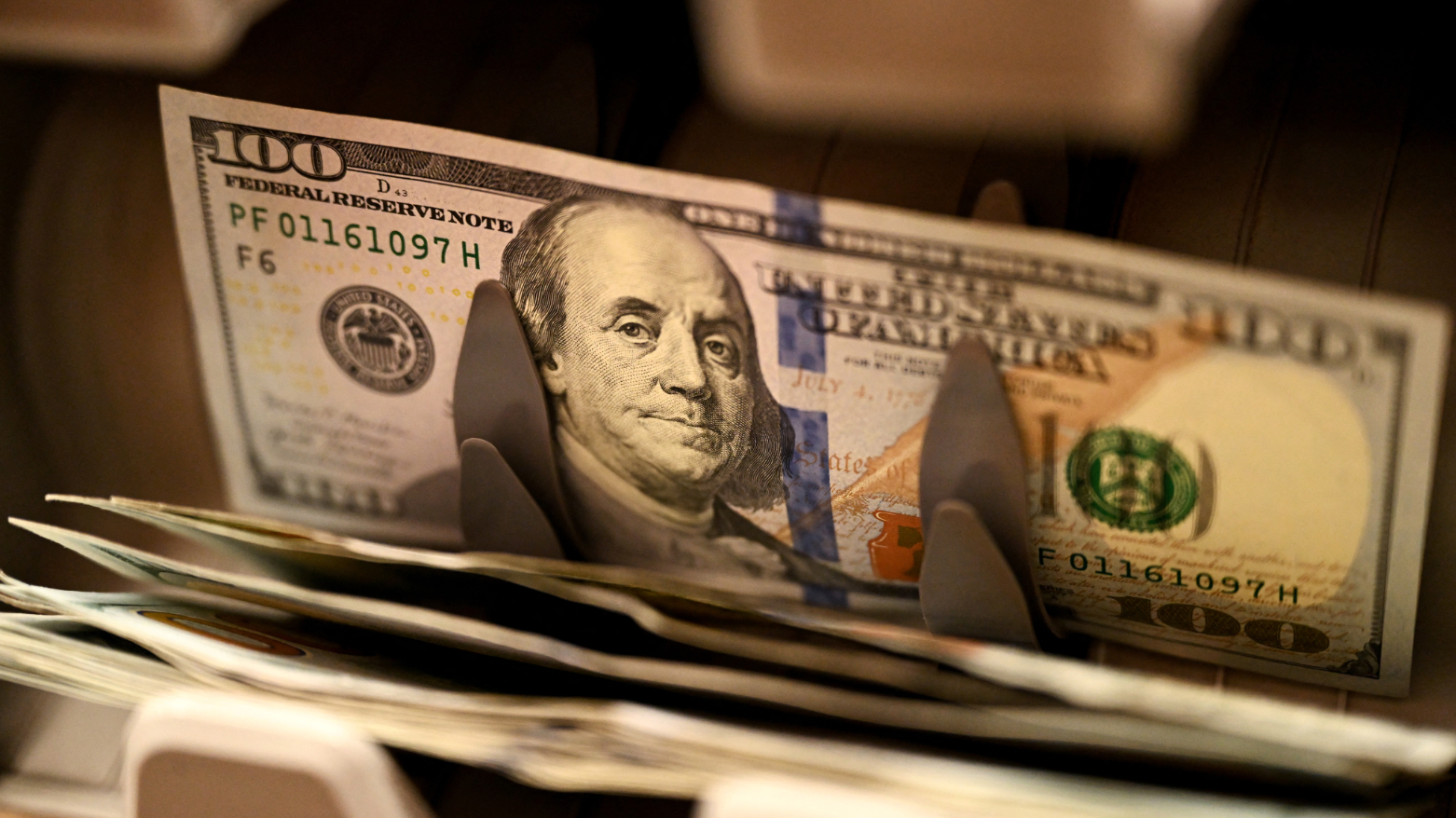
ERBIL (Kurdistan24) - Iraq has set a rate equivalent to 100 U.S. dollars at 150,000 Iraqi dinars for certain housing-related payments, but the arrangement is not being implemented in the Kurdistan Region because investors there have not been granted access to dollars at the Central Bank's official exchange rate.
Bargesht Akreyi, spokesperson for the Kurdistan Region Investment Board, told Kurdistan24 on Monday that the federal arrangement allows investors operating residential projects to obtain dollars at the Central Bank of Iraq's official rate.
Under the same mechanism, citizens purchasing housing units are required to pay their installments to participating investors using that rate.
Akreyi said the situation is different in the Kurdistan Region.
According to him, the Central Bank has not provided investors in the Region with access to dollars at the official rate, meaning the same mechanism cannot automatically be applied to installment payments by citizens.
As a result, the Kurdistan Region Investment Board has left the decision to individual investors.
Companies may choose whether to calculate housing installments according to the Central Bank's official dollar rate or the prevailing market exchange rate.
However, Akreyi said investors wishing to use the federal mechanism face additional requirements.
To receive dollars at the Central Bank rate, companies operating in the Kurdistan Region would have to register in Baghdad and pay annual taxes to the Iraqi government.
The companies would still remain liable for taxes payable to the Kurdistan Regional Government, effectively leaving them with tax obligations to both administrations.
According to Akreyi, this combination of additional financial costs and legal procedures has prevented the federal arrangement from being implemented in the Kurdistan Region.
The difference has practical consequences for citizens purchasing homes through installment plans.
In federal Iraq, investors participating in the scheme can obtain dollars through the official Central Bank mechanism and collect installments on that basis.
In the Kurdistan Region, by contrast, the absence of equivalent access means investors retain discretion over which exchange rate they use when collecting payments.
Akreyi said the issue therefore stems not from a separate exchange-rate decision by the Kurdistan Region, but from the conditions attached to obtaining official-rate dollars through federal institutions.
Until those requirements are addressed, the system currently operating elsewhere in Iraq will remain unavailable to many residential investors and buyers in the Kurdistan Region.