India Celebrates Navratri: What Is the Nine-Night Hindu Festival?
The festival honors the goddess Durga through prayers, fasting and traditional celebrations, including the Garba dances that draw large crowds in Gujarat.
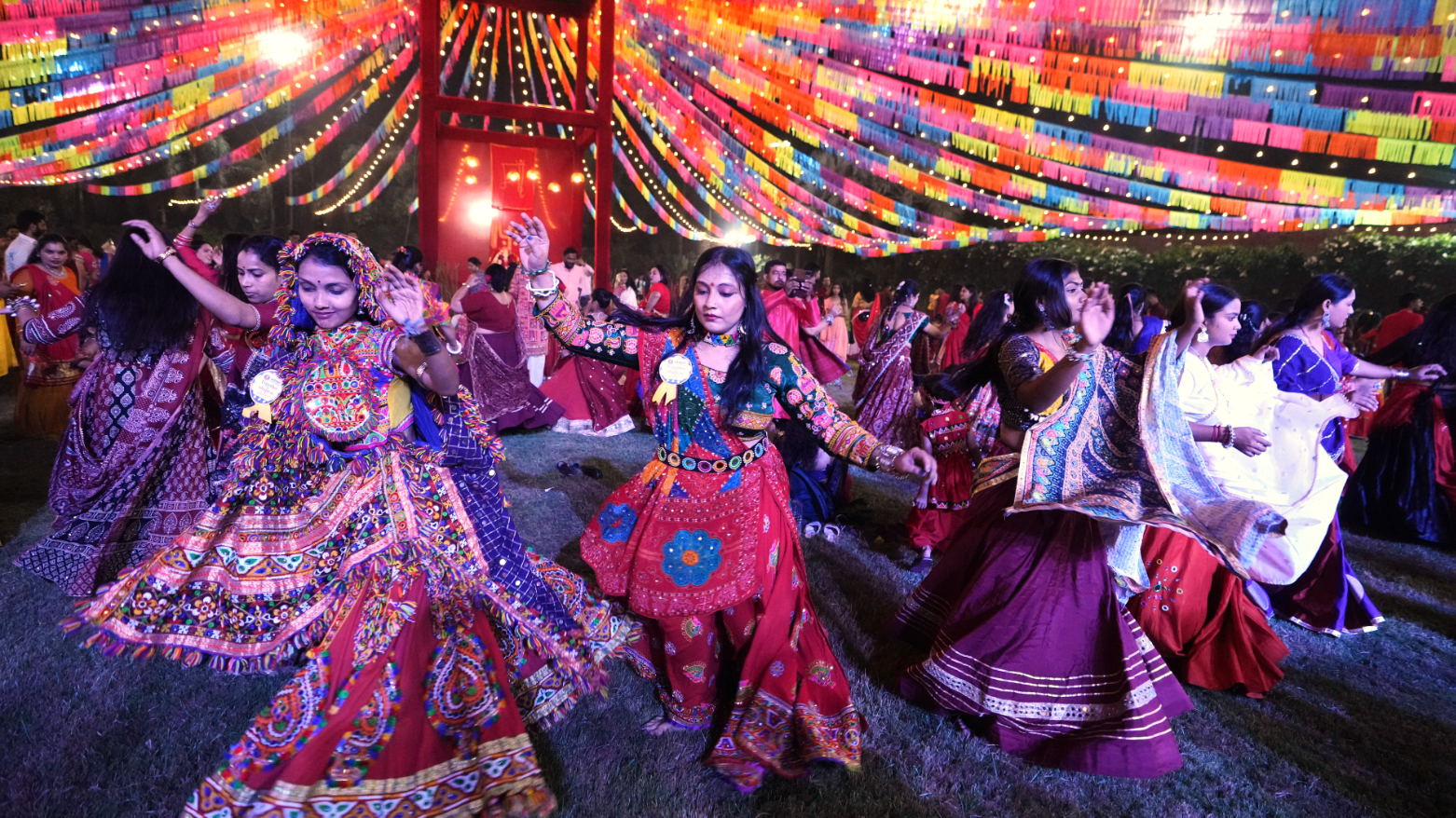
ERBIL (Kurdistan24) - Millions of Hindus across India are marking Navratri, one of the country's major religious festivals, with nine nights of worship, music and traditional dancing dedicated to the goddess Durga.
This year's autumn festival began on Oct. 11 and continues through Oct. 19, followed by Vijayadashami, also known as Dussehra, on Oct. 20.
Navratri, meaning "nine nights" in Sanskrit, celebrates the divine feminine and symbolizes the triumph of good over evil.
According to India's Ministry of Tourism, the festival commemorates the victory of Durga over the demon Mahishasura in Hindu mythology.
During the nine nights, devotees worship nine manifestations of Durga, with many observing fasting, offering prayers and participating in religious ceremonies.
Celebrations vary considerably across India.
In the western state of Gujarat, particularly in cities such as Ahmedabad and Vadodara, thousands of participants gather for Garba, a traditional dance performed in circles to rhythmic music.
Dancers wear colorful traditional clothing and move in coordinated patterns, often accompanied by Dandiya Raas, another popular dance involving decorated wooden sticks.
Garba holds particular cultural significance in India.
In December 2023, UNESCO inscribed the traditional dance of Gujarat on its Representative List of the Intangible Cultural Heritage of Humanity, recognizing its importance as a communal expression of devotion and cultural identity.
Elsewhere, celebrations take different forms.
In West Bengal, Durga Puja features elaborate temporary shrines and religious ceremonies, while northern India marks the period with theatrical performances depicting the life of the Hindu deity Rama.
In southern India, some communities arrange decorative displays of dolls and religious figures, reflecting the country's diverse regional traditions.
Navratri concludes with Vijayadashami, a festival associated with the victory of good over evil, bringing the annual autumn celebrations to a close.