Japan Condemns US Sanctions on ICC President Tomoko Akane
Tokyo calls Washington’s latest measures against the International Criminal Court “very unfortunate” as allies defend the court’s independence
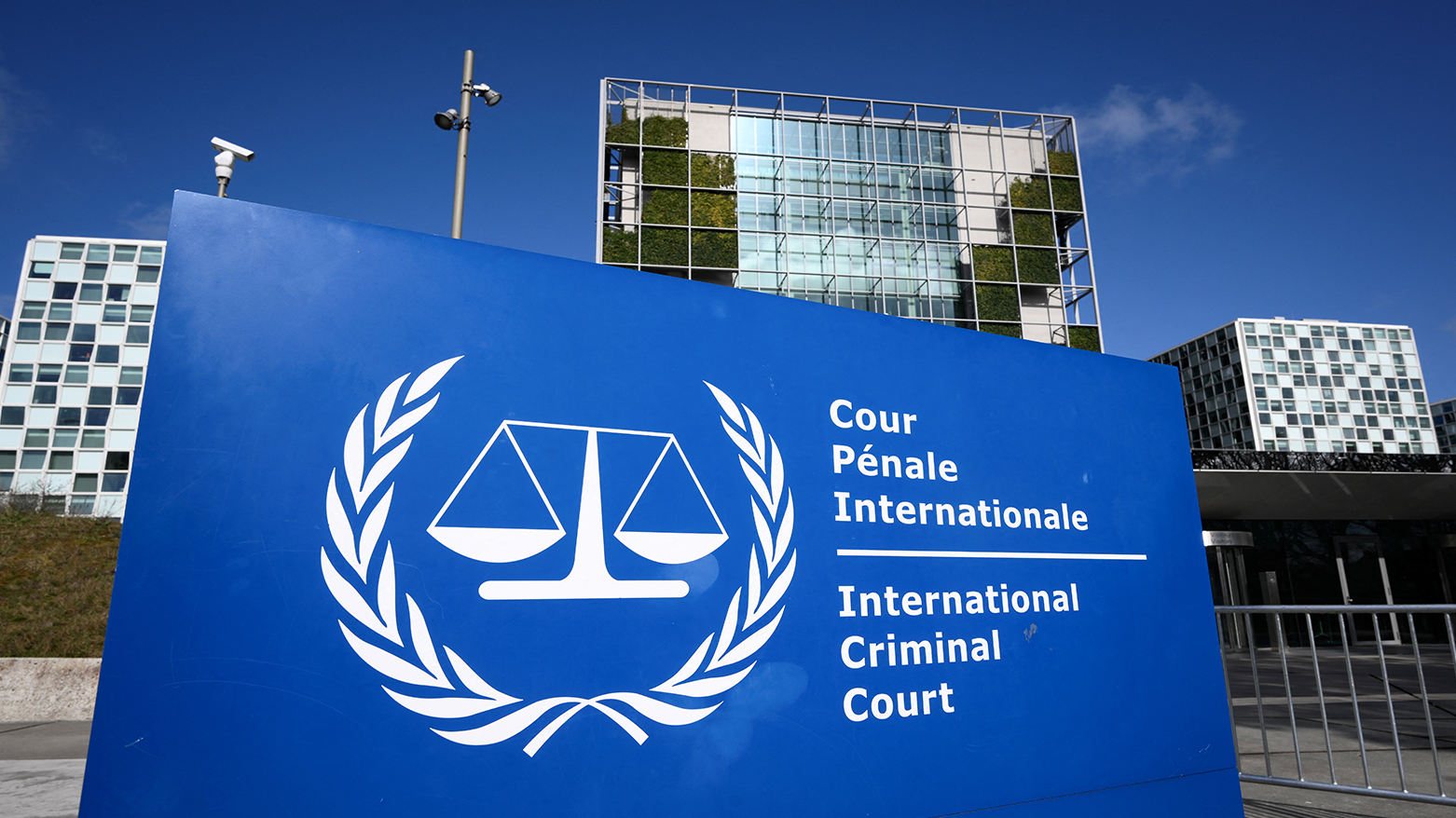
ERBIL (Kurdistan24) — Japan on Wednesday criticized sanctions imposed by the United States on International Criminal Court (ICC) President Tomoko Akane, calling Washington’s latest measures against the tribunal “very unfortunate.”
The Trump administration imposed sanctions on Akane, a Japanese national, and ICC Senior Trial Lawyer Abdoulaye Seye of Senegal on Tuesday as part of its campaign against the court, which Washington has accused of being a “corrupt and fatally politicised” institution.
Japan has “consistently supported the ICC in its efforts to prosecute and punish the most serious crimes of concern to the international community and to uphold the rule of law,” Japanese Foreign Ministry press secretary Toshihiro Kitamura said in a statement.
“From this standpoint, the announced measures are very unfortunate,” he added.
Japan is the ICC’s largest financial contributor and a close US ally. The United States, however, is not a party to the Rome Statute, the treaty that established the court.
US Secretary of State Marco Rubio said the sanctioned officials had “directly engaged” in efforts by the ICC to investigate, arrest, detain or prosecute officials whose governments had not consented to the court’s jurisdiction. He did not provide specific examples.
The ICC rejected the US measures, saying the sanctions “undermine the rule of law.”
“When judicial actors are threatened for applying the law, it is the international legal order itself that is placed at risk,” the court said in a statement.
Established in 2002, the ICC prosecutes individuals accused of genocide, war crimes and crimes against humanity, serving as a court of last resort when national legal systems are unwilling or unable to pursue accountability.
Israeli support for US sanctions
The latest US measures are largely linked to the ICC’s investigations involving Israel, a key US ally.
In 2024, the court issued an arrest warrant for Israeli Prime Minister Benjamin Netanyahu over alleged crimes related to the war in Gaza. Netanyahu welcomed the latest US sanctions on Tuesday, describing the ICC as a “kangaroo court” that disguises its alleged abuse of power in the language of international law.
The Netherlands, where the ICC is based in The Hague, also criticized Washington’s actions.
“The Netherlands disapproves of the latest sanctions against officials and staff of the ICC,” Dutch Foreign Minister Tom Berendsen said in a post on X, adding that international courts and tribunals must be able to carry out their mandates freely.
Washington has previously imposed sanctions on other ICC officials, including measures that restrict sanctioned individuals from entering the United States and conducting transactions through the US financial system.
Last month, the US administration intensified its diplomatic campaign against the ICC, accusing the court of threatening Americans and urging partner countries to withdraw from the institution. Chad and Venezuela have already announced their withdrawal, according to the text.
The ICC has expressed concern over such withdrawals, warning that they could weaken international efforts to pursue accountability for serious crimes.
Washington rejects ICC authority
The United States signed the Rome Statute but never ratified it. Israel, Russia and China are also not parties to the treaty.
“The Trump Administration has been clear: the International Criminal Court is a corrupt and fatally politicized supranational court that has maliciously abused its authority and exceeded its mandate. We will not tolerate its assault on state sovereignty,” Rubio said.
The sanctions have also drawn criticism from human rights organizations. Four rights groups last week sued Trump in a New York court over sanctions targeting the ICC, arguing that the measures prevent victims of war crimes from seeking justice.
Human Rights Watch condemned the latest sanctions, with its Middle East and North Africa director, Balkees Jarrah, describing them as another example of what she called the Trump administration’s “contempt for international law” and an attempt to protect US and Israeli officials from accountability.
The dispute comes amid wider tensions surrounding the ICC’s role in investigating alleged international crimes.
In 2023, the court issued an arrest warrant for Russian President Vladimir Putin over alleged crimes linked to Russia’s war in Ukraine. Moscow subsequently issued arrest warrants for senior ICC officials, including Akane.
Akane, 70, has served as an ICC judge since 2018 and was elected president of the court in March 2024. Following Russia’s move against ICC officials, she dismissed the potential impact of such measures, saying judges could be replaced if targeted.