US, Canada Trade Talks Fail as 50% Tariffs Take Effect
U.S. tariffs of 50% on $20 billion in Canadian goods took effect after trade talks failed, prompting Ottawa to promise matching retaliation against Washington.
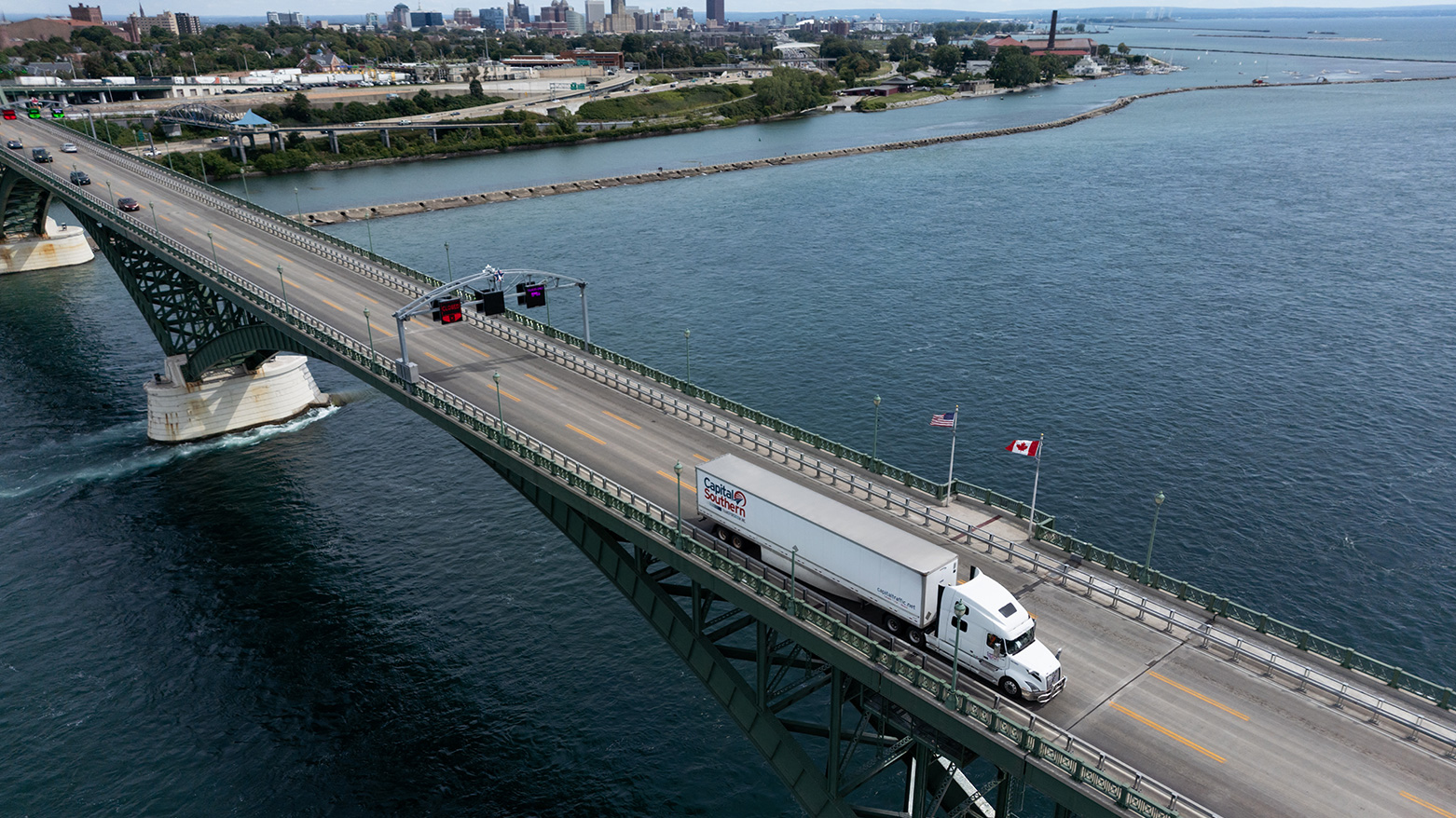
ERBIL (Kurdistan24) - New US tariffs of 50% on about $20 billion worth of Canadian products took effect on Saturday after Washington and Ottawa failed to reach a trade agreement despite negotiations extending to the final hours before the deadline.
Canadian Prime Minister Mark Carney responded by pledging that Canada would match the measures "dollar for dollar to protect our workers and businesses," setting the stage for a renewed escalation between two economies whose commercial relationship has already been strained by months of tariff disputes.
Agence France-Presse reported that the new duties affect roughly 5.5% of Canadian exports to the United States, covering products ranging from hockey sticks to cement.
The breakdown is consequential beyond the immediate $20 billion in trade affected. Canada remains heavily dependent on the US market, which accounts for roughly 70% of its exports, while the dispute comes as the two governments also face unresolved negotiations over the future of the US-Mexico-Canada Agreement, or USMCA. The latest confrontation therefore adds another layer of uncertainty to a trading relationship that Ottawa increasingly views as structurally changed.
US Trade Representative Jamieson Greer blamed Canada for the failure to conclude an agreement, saying late Friday that Ottawa had declined to finalize a deal under terms that had been agreed earlier in the week.
Greer said Washington had offered substantial reductions in tariffs affecting Canadian steel, aluminum, automobiles and lumber in exchange for Canadian concessions. He also accused Ottawa of continuing retaliatory restrictions against American goods and services.
Canadian officials disputed Washington's characterization of how the negotiations unraveled.
Carney said the United States introduced changes near the deadline that Canada could not accept, describing the proposed terms as "unfair, uneconomic" and raising questions about the reliability of any agreement reached under them.
While the two governments had made what Carney called important progress during weeks of negotiations, he said the emerging arrangement still failed to meet Canada's objectives.
The conflicting accounts illustrated how quickly optimism surrounding the talks gave way to another confrontation.
President Donald Trump had said before the breakdown that Washington "should be able to have a deal with Canada," pointing to what he described as his good relationship with Carney. The administration had also delayed the tariff deadline by three days after saying negotiations had made substantial progress.
Canadian negotiators remained in Washington throughout the week in an effort to settle several longstanding points of contention.
Canada's lead negotiator, Dominic LeBlanc, met Greer for about three hours on Thursday and participated in further talks on Friday. Even after those discussions, LeBlanc acknowledged that the two sides still had "more work to do."
A senior US official, speaking on condition of anonymity, told AFP that Canada had sought additional concessions that Washington was unwilling to grant. The official nevertheless characterized the negotiations as candid rather than acrimonious.
No further meetings were scheduled following the breakdown, according to the official.
Among the measures irritating Washington were Canadian restrictions introduced in retaliation for earlier US tariffs. Canadian regional leaders had said that the removal of American alcohol and wine from provincial liquor stores had become a particular point of friction.
The White House has accused Canada of discriminatory treatment of American products, including alcohol, automobiles and dairy goods. Greer maintained that Washington's proposal would have offered Canada significant tariff relief, including in sectors that have borne much of the economic pressure from Trump's trade policies.
For Canada, the dispute has become broader than the terms of any individual tariff agreement.
Trump's duties on automobiles, steel and aluminum have contributed to job losses and economic pressure in Canada, according to AFP, while pushing Carney's government to reconsider the country's longstanding dependence on the US market.
Carney has repeatedly argued that the bilateral relationship has been permanently altered and that Canada must diversify its trade rather than assume that the historically close economic partnership with the United States will return to its previous form.
That strategy, however, faces the immediate reality that the United States remains by far Canada's most important export destination.
The decision to retaliate could also make a negotiated retreat more difficult.
Ryan Majerus, a former US Commerce Department official and trade lawyer at King & Spalding, told AFP that reciprocal Canadian tariffs would complicate efforts to de-escalate the dispute.
Both governments, he said, are nevertheless likely to face considerable pressure in the coming days to find a way out of the confrontation.
Christopher Padilla, another former US official, told AFP that businesses on both sides of the border had hoped an agreement would allow the countries to move beyond what he described as a difficult 18 months in bilateral relations.
The failure instead leaves companies confronting another round of tariffs while governments consider their next moves.
The Associated Press reported that Carney directed Canada's negotiating team to return to Ottawa and said his government would announce additional measures to support Canadian workers and businesses in the coming days.
The tariff confrontation also hangs over the future of USMCA, the North American trade agreement negotiated during Trump's first term. AFP reported that Trump has declined to renew the agreement in its current form, leaving Washington and Ottawa still needing to agree on revisions.
With the new duties now in force, immediate attention is shifting from whether the two countries can prevent escalation to whether political and economic pressure can bring them back to the negotiating table.