Kurdistan Region Presidency Says Iraq’s Budget Draft Is Unsatisfactory
Dilshad Shahab made the remarks in an exclusive interview with Kurdistan24, during which he discussed Iraq’s political and security situation, regional developments, economic challenges, and relations between Erbil and Baghdad.
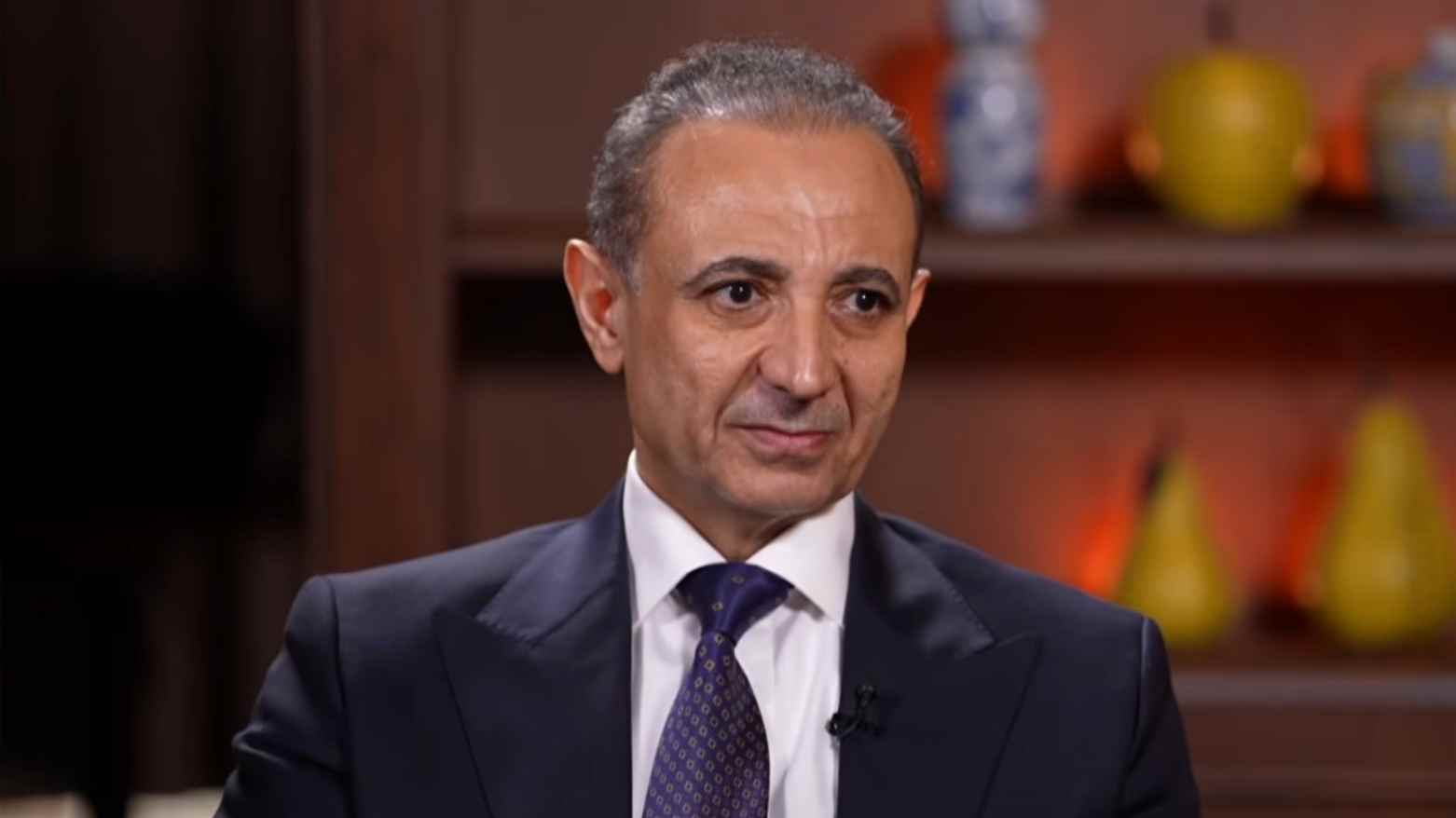
ERBIL (Kurdistan24) — The current draft of Iraq’s federal budget is unsatisfactory, but intensive efforts are underway to amend it and ensure that public-sector salaries in the Kurdistan Region are protected from political disputes, the spokesperson for the Kurdistan Region Presidency said on Tuesday.
Dilshad Shahab made the remarks in an exclusive interview with Kurdistan24, during which he discussed Iraq’s political and security situation, regional developments, economic challenges, and relations between Erbil and Baghdad.
“The current draft is not good,” Shahab said, expressing hope that Kurdish representatives in Baghdad would prevent it from being approved in its existing form.
He added that serious efforts were underway to secure public-sector salaries in the Kurdistan Region and ensure that employees’ livelihoods were not used as leverage in political disputes.
Shahab stressed that protecting salaries was essential to safeguarding employees’ fundamental rights and ensuring they received their payments regardless of political disagreements.
Erbil-Baghdad relations and constitutional rights
Addressing relations between Erbil and Baghdad, Shahab said the Kurdistan Region faced several challenges, particularly concerning the protection of its constitutional rights within Iraq’s federal system.
“We have the problem of securing the rights of the Kurdistan Region within the framework of the Iraqi Constitution,” he said.
Despite ongoing disagreements, Shahab described relations between the two sides as marked by a good understanding and said the Kurdistan Region maintained a strong position in negotiations with the federal government.
He attributed that position to the region’s transparency in fulfilling its obligations to Baghdad, adding that the Kurdistan Region had implemented all requests made by the federal government.
Shahab maintained that the region’s demands were fully consistent with the Iraqi Constitution.
He also noted that political disagreements were a persistent feature of Iraq’s political landscape.
“Problems in Iraq will never be reduced to zero. Even if they are resolved today, new problems will emerge tomorrow,” he said.
Peshmerga and regional security
Turning to security developments, Shahab said the Kurdistan Region was facing challenges amid broader regional instability, whose consequences extended beyond the Middle East.
He highlighted the role of the Peshmerga forces in the fight against Islamic State (ISIS), saying they had fought and defeated the terrorist group on behalf of the wider international community under the leadership of President Masoud Barzani.
“We have strength, and we are not afraid of any changes in the region,” Shahab said.
He argued that a withdrawal of international coalition forces would not pose a major threat to the Kurdistan Region, identifying armed groups operating outside the law in Iraq as the more significant security concern.
Shahab called on the Iraqi government to establish clear limits on such groups to prevent them from threatening the country’s stability. He also expressed optimism about Prime Minister-designate Ali al-Zaidi’s efforts to bring weapons under state control.
He reiterated that the Kurdistan Region was not hostile toward any individual, group, or country and did not pose a threat to any party.
International support and regional stability
Shahab described the Kurdistan Region’s internal situation as stable and its relations with neighboring countries as good, expressing optimism about its future.
He said the region had demonstrated that it could serve as a source of peace, coexistence, unity, and mutual understanding.
Regarding international support, Shahab acknowledged the historical injustices suffered by the Kurdish people but said the Kurdistan Region’s allies, particularly the United States, had provided substantial support.
He added that these allies had not taken actions that should cause concern among the people of Kurdistan.
Shahab’s remarks come as Erbil and Baghdad continue to face longstanding disputes over constitutional rights, federal budget allocations, and public-sector salaries, issues that remain central to relations between the Kurdistan Regional Government and Iraq’s federal government.