Oman FM to Visit Iran as Tehran, Muscat Seek Strait of Hormuz Shipping Deal
Badr al-Busaidi’s Tehran visit comes as Iran and Oman work to establish a mechanism for regulating commercial shipping through the strategic waterway amid wider US-Iran tensions
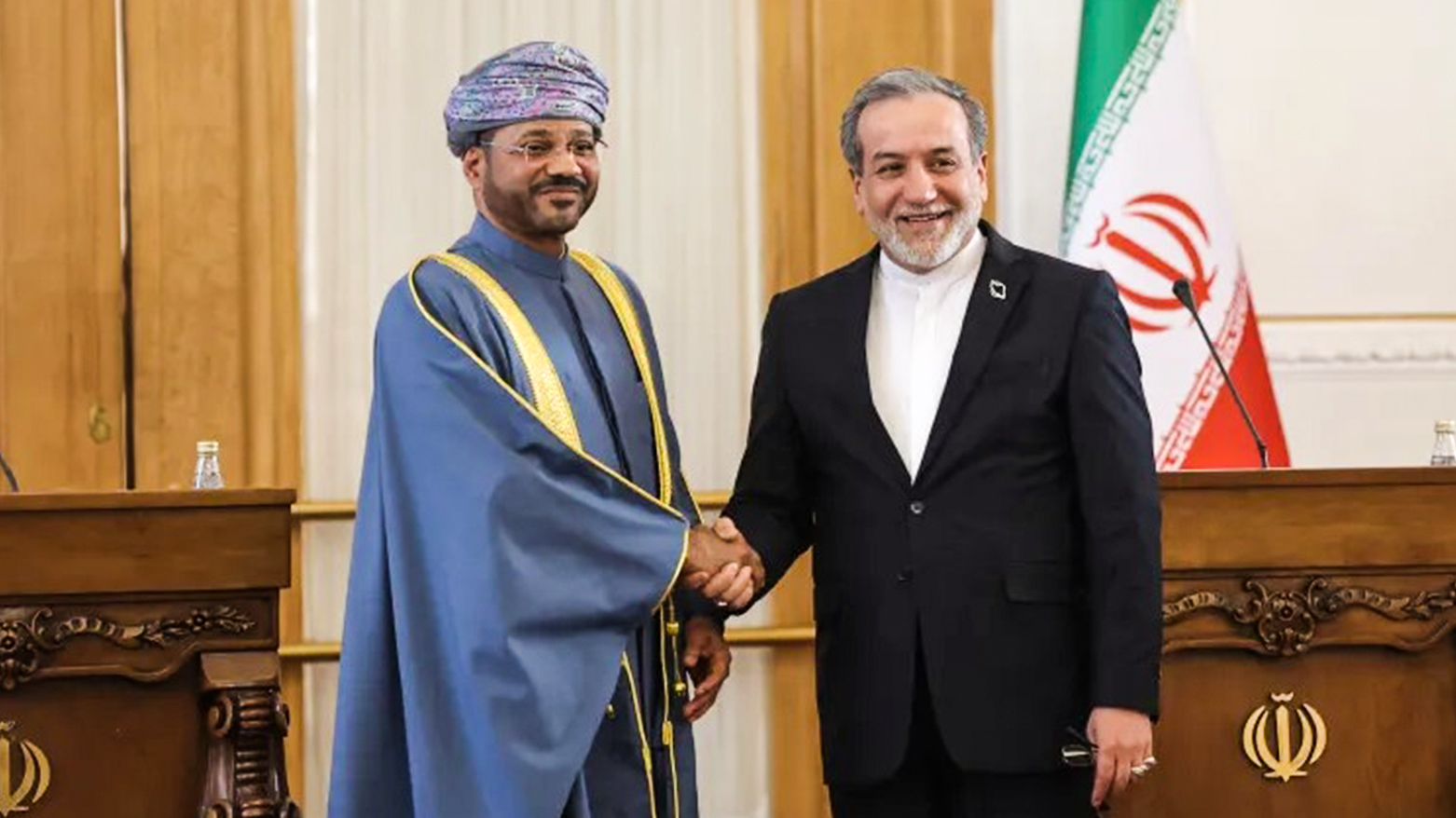
ERBIL (Kurdistan24) — Oman’s Foreign Minister Badr al-Busaidi will travel to Iran on Tuesday as Tehran and Muscat seek to establish a mechanism for regulating the passage of commercial vessels through the strategically vital Strait of Hormuz, Iran’s Foreign Ministry said Monday.
Iranian Foreign Ministry spokesman Esmaeil Baqaei said al-Busaidi’s visit would include “ongoing political consultations” between the two countries as littoral states of the Strait of Hormuz, with the aim of strengthening peace and security in the region.
The Omani minister is expected to meet his Iranian counterpart, Abbas Araghchi, to discuss bilateral cooperation as well as regional developments, Baqaei said.
The visit comes as Iran maintains restrictions on maritime traffic through the Strait of Hormuz, a critical global energy corridor linking the Persian Gulf with the Gulf of Oman and the Arabian Sea.
Since the outbreak of the war in the Middle East on February 28, Iran has exercised control over passage through the waterway, requiring vessels to obtain permission and pay transit fees before entering the strait.
Efforts to regulate shipping
The United States has called for the Strait of Hormuz to return to its pre-war system of free navigation, while President Donald Trump has claimed that Washington “has total control” over the strategic waterway.
Before the conflict, roughly one-fifth of global oil and liquefied natural gas exports passed through the Strait of Hormuz, making any prolonged disruption a major concern for international energy markets.
Iran and Oman have been holding talks on establishing a new route through the strait, which is the only maritime entrance to the Gulf and separates the two countries.
The negotiations have yet to produce a final agreement.
Tehran has said that even if Iran and Oman reach an understanding on a new shipping route, the arrangement alone would not be sufficient to fully reopen the waterway.
Iran has linked broader freedom of navigation to wider demands from Washington, including an end to the US blockade of Iranian ports.
The dispute over the waterway has placed Oman in a delicate diplomatic position, as Muscat maintains longstanding ties with both Tehran and Washington and has historically helped facilitate dialogue between the two sides.
Al-Busaidi’s visit is therefore expected to offer an important opportunity for Tehran and Muscat to advance discussions on maritime arrangements while addressing broader security tensions around the Strait of Hormuz.