Saudi Arabia Scraps Neom After Burning $50 Billion in the Desert
The Wall Street Journal reveals Riyadh is spending billions more to wind down contracts, leaving half-built structures to gather sand as MBS pivots from sci-fi city to AI data centers
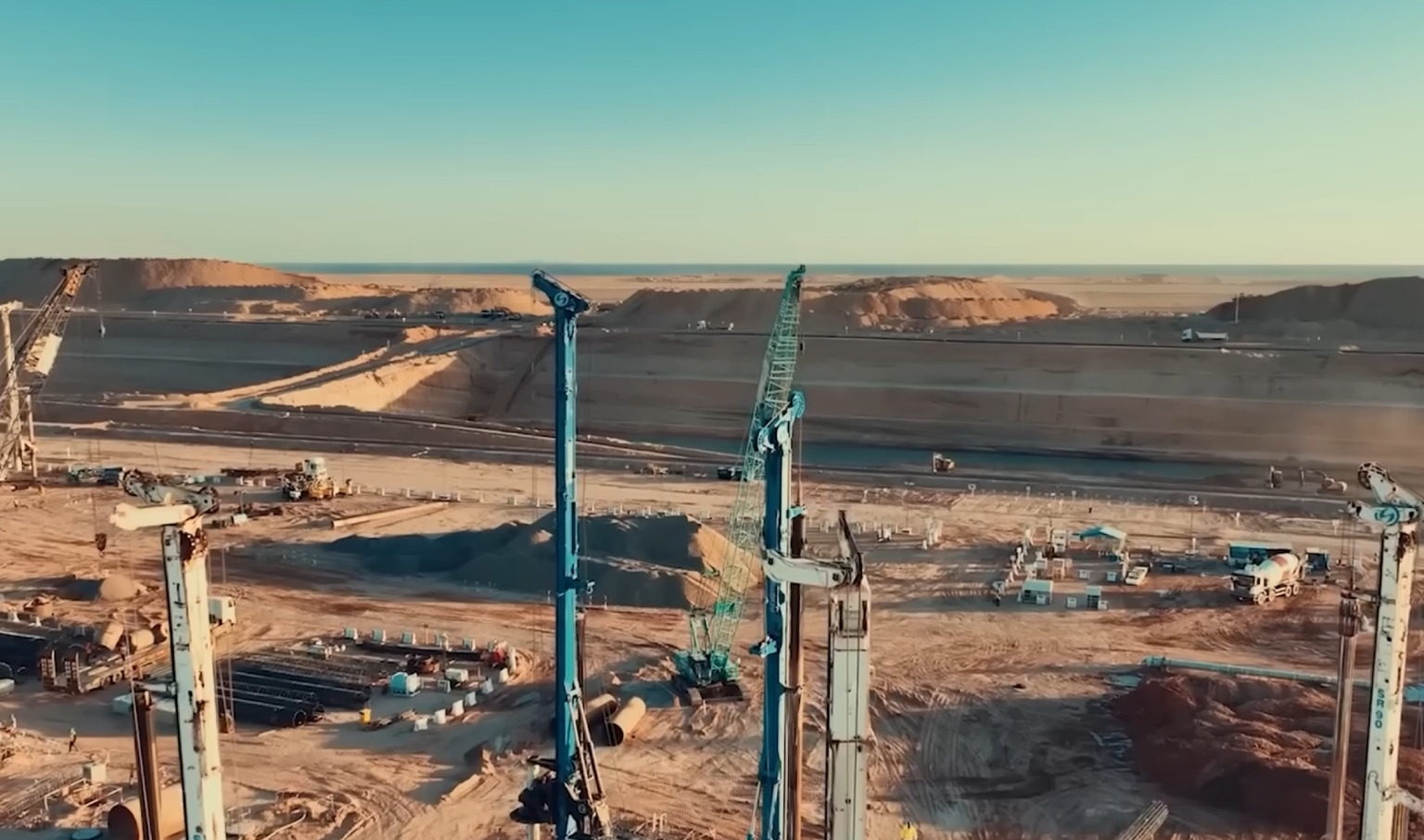
ERBIL (Kurdistan 24) - Saudi Arabia has quietly scrapped its Neom megaproject after sinking more than $50 billion into Crown Prince Mohammed bin Salman's vision of a sci-fi metropolis, and is now spending billions of dollars more to wind down contracts, leaving mammoth partially built structures abandoned in the desert, the Wall Street Journal reported on Monday.
After sinking more than $50 billion into Saudi Crown Prince Mohammed bin Salman's dreams of a sci-fi metropolis, the kingdom is now spending billions of dollars more to wind down contracts, leaving mammoth-sized partially built structures to gather sand in the desert, the Wall Street Journal confirmed in a video report published this week.
The collapse of the world's most ambitious construction project represents one of the most spectacular failures in the history of megaproject development, and a significant blow to Vision 2030, the economic diversification roadmap that MBS staked his legacy on when he announced Neom in 2017 with promises of smart cities, robot workers, and zero-carbon energy that would house nine million people inside 170-kilometer parallel mirrored skyscrapers rising 500 meters into the air.
The Public Investment Fund formally suspended all construction on The Line, NEOM's central component, on September 16, 2025, pending a strategic review, as Abhishek Gautam confirmed in detailed reporting on the project's collapse. Around $50 billion, approximately 10 percent of the project's total budget, had already been spent without the project coming to life. A handful of concrete structures stood in the Saudi desert. Nine million people had not arrived.
The path to collapse was long and well-documented by those watching closely. The Wall Street Journal revealed leaked confidential documents in March 2025 suggesting that Neom had been the target of one of the largest scams by the executives in charge of its implementation, with an internal report indicating that executives, assisted by the consulting firm McKinsey and Co, embedded a culture of mutual delusion in which the crown prince pushed for fantastical plans and executives shielded him from the full scope of challenges and costs.
In April 2025, Neom cut its active construction workforce by 35 percent. By July 2025, more than 1,000 Neom employees had been relocated from the project site to Riyadh to reduce costs and improve oversight. Nadhmi al-Nasr, who led Neom for years, stepped down unexpectedly in November 2024. His successor, Aiman al-Mudaifer, launched a full review of the project's priorities that ultimately concluded the answer was not to continue building the city.
In February 2026, Neom announced a $5 billion partnership with DataVolt, a sustainable data center operator, to build an AI data center campus in Neom's Oxagon district, converting what was meant to be the world's most futuristic city into an artificial intelligence industrial zone cooled by Red Sea seawater. The pivot from sci-fi metropolis to AI data center campus reflects Saudi Arabia's broader strategic reorientation, which a Saudi source told Reuters in October 2025, involves redirecting investments toward artificial intelligence and hydrocarbon-dependent data centers rather than the speculative real estate and tourism plays that Neom represented.
Prince Mohammed himself hinted that parts of his plan may be altered in a speech to the Shura Council, saying: "We will not hesitate to cancel or make any radical amendment to any programmes or targets if we find that the public interest so requires."
The only part of the Neom project that has actually opened is Sindalah, a luxury yachting resort in the Red Sea, which held a grand opening in October 2024, three years behind schedule and at roughly three times its original budget. Every other component of what was once described as the largest construction project in human history now sits suspended, partially built, or formally cancelled, as the kingdom spends additional billions simply to exit the contracts it signed when the vision still seemed achievable.
The collapse of Neom arrives as Saudi Arabia is simultaneously managing the financial pressures of the six-month US-Iran war, which has disrupted Gulf energy revenues, required significant military expenditure, and reshaped the regional investment environment that Vision 2030 was designed to attract. The $50 billion already spent on Neom, and the billions more required to wind it down, represent a fiscal burden that compounds an already challenging moment for the kingdom's public finances.