Kurdistan President Renews Call for Compensation on Badinan Anfal Anniversary
Kurdistan Region President Nechirvan Barzani urged Baghdad to provide material and moral compensation to Anfal victims' families on the 38th anniversary of the Badinan campaign.
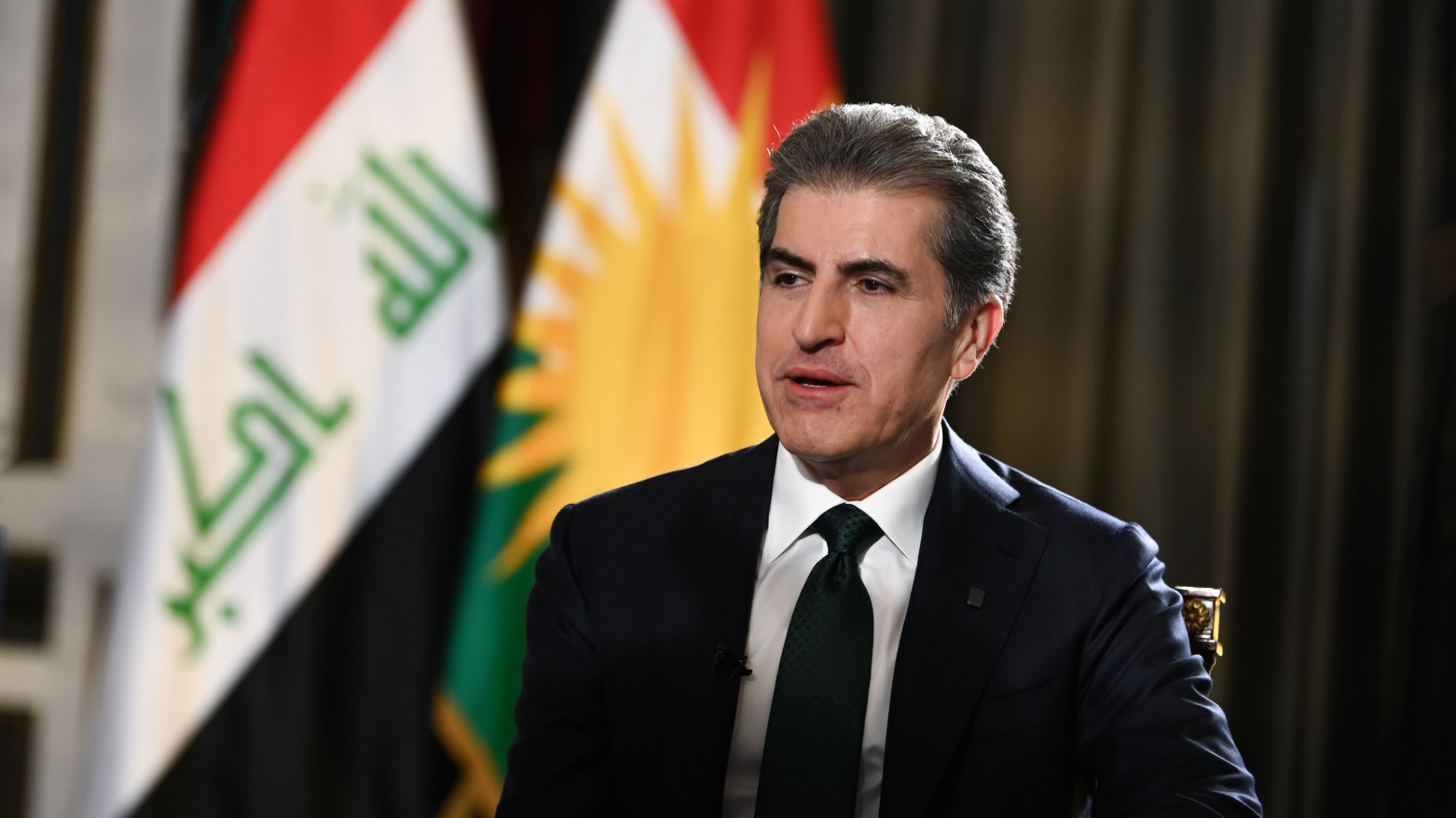
ERBIL (Kurdistan24) - Kurdistan Region President Nechirvan Barzani on Tuesday renewed calls for Iraq's federal government to provide material and moral compensation to the families of Anfal victims, marking the 38th anniversary of the final campaign in Badinan and warning that the crimes of the past must remain a lesson against future oppression.
In a message commemorating the anniversary, Kurdistan Region President Barzani recalled the final phase of the Anfal campaigns, carried out between Aug. 25 and Sept. 6, 1988, when the former Iraqi Baathist regime targeted civilian communities across Badinan with military assaults and prohibited weapons.
"Today, we commemorate the painful 38th anniversary of the Anfal crime in Badinan," President Barzani said.
He described Anfal as a grave crime against humanity and noted that the Iraqi High Criminal Court had recognized it as genocide, a war crime and a crime against humanity.
"On this anniversary, we therefore reiterate our demand that Iraq's federal government provide material and moral compensation to the families of Anfal victims and to all victims of the former regime's crimes in the Kurdistan Region," he said.
President Barzani also called for continued efforts to secure wider international recognition of Anfal as genocide.
Badinan's final Anfal campaign
The Badinan phase was the last major stage of the Anfal campaign and struck a wide area of present-day Duhok province and the Zakho Independent Administration.
Kurdistan24 reporting on the anniversary says the operation affected 76 areas and destroyed nearly 700 villages across Zakho, Shekhan, Amedi, Akre, Semel and central Duhok province.
Villages around Mount Gara and other districts were subjected to aerial bombardment, artillery fire and chemical attacks.
Among the areas struck on Aug. 25, 1988, were Burjin, Hesi, Kharabiya and Yakmala in the Zawita and Barwari districts.
The campaign also devastated agricultural land, livestock and orchards and displaced tens of thousands of people.
According to figures cited in Kurdistan24 reporting, 13,553 people were arrested and disappeared during the Badinan Anfal, while the total number of victims is estimated at more than 14,000.
Those figures include 3,373 women and 6,964 children, while around 1,500 people remain missing and approximately 85,000 were displaced.
The campaign did not affect Kurdish Muslim communities alone.
Christian villages were also attacked, burned or destroyed, while residents faced arrest, displacement and transfer to detention centers. Ezidi places of worship were among the religious sites destroyed alongside mosques and churches.
The systematic nature of the campaign, combined with mass arrests, forced disappearances, village destruction and chemical attacks, has made Anfal one of the defining crimes in the modern history of Kurdistan.
Compensation remains unresolved
Thirty-eight years later, the question of compensation remains central to demands by survivors and victims' families.
Kurdistan24 has previously reported that Iraq has not fully implemented Article 132 of the Constitution, which provides for care and compensation for families of martyrs and victims of political persecution and oppression.
For Kurdish officials, the issue is not limited to financial payments.
Kurdistan Region President Nechirvan Barzani's message specifically called for both material and moral compensation, reflecting demands for recognition, restitution and acknowledgment of the suffering imposed by the former regime.
The president said the historical record of the Baathist period must serve as a permanent warning against renewed violations.
"The history of crime and destruction must become a lasting lesson for Iraq, preventing the recurrence of any form of oppression or violation and ensuring the protection of the constitutional rights of the people of Kurdistan and all communities," he said.
His remarks linked remembrance of Anfal directly to the future structure of Iraq and the protection of constitutional rights.
President Barzani also emphasized political unity, social harmony and peaceful coexistence, arguing that cooperation among political parties was necessary to secure a stable future.
"To that end, we emphasize the importance of strengthening harmony, unity and peaceful coexistence, as well as enhancing cooperation among all political parties," he said.
Remembering solidarity during the crisis
The president also highlighted the role played by residents of Erbil and surrounding areas during the Badinan crisis.
He expressed gratitude for those who came to the assistance of displaced Badinan families at Jezhnikan Camp during the difficult days of the campaign.
The reference underscored another element of Anfal remembrance: alongside the history of state violence, commemorations also preserve memories of solidarity among communities that received survivors and displaced families.
For Kurdistan Region President Nechirvan Barzani, however, remembrance must remain connected to justice.
His call for federal compensation comes as families of Anfal victims continue to seek full acknowledgment of losses that included not only human life but homes, villages, livelihoods, farmland and cultural heritage.
The Kurdistan Region has repeatedly pursued broader international recognition of Anfal while maintaining that the Iraqi state carries a legal and moral responsibility toward survivors and victims' families.
On the 38th anniversary of the Badinan campaign, President Barzani's message was therefore directed as much toward Iraq's future as its past: that recognition, compensation and constitutional protection are necessary if the crimes committed under the former regime are genuinely to remain history rather than a warning left unanswered.