Iran Strikes US Bases in Self-Defense After CENTCOM Targets IRGC Forces Near Hormuz
Iranian Foreign Ministry issues sweeping warning holding the US and all cooperating parties responsible for consequences, as Pezeshkian vows decisive response before leaving for SCO summit in Bishkek
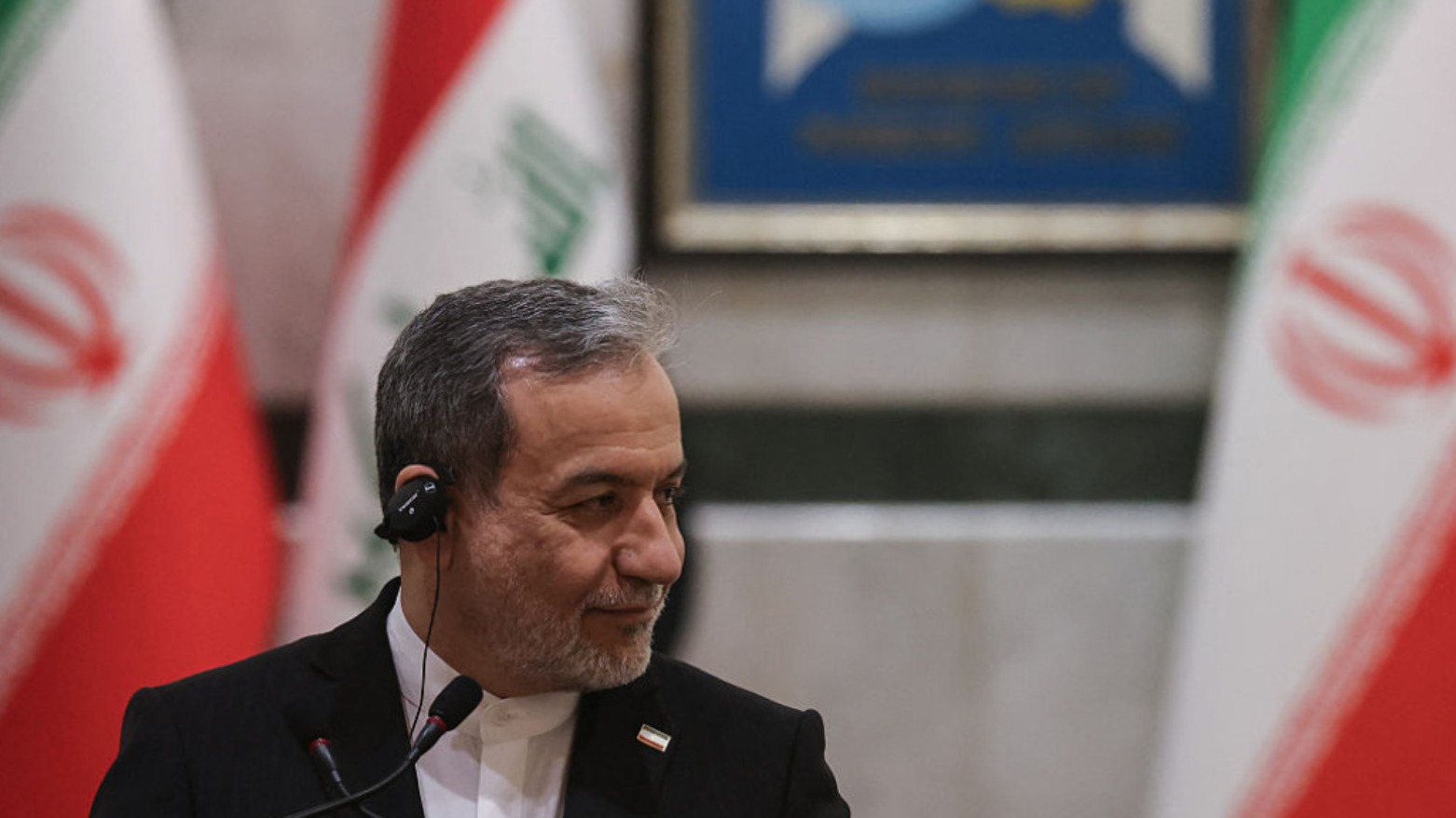
ERBIL (Kurdistan 24) - Iran's Foreign Ministry issued one of its strongest and most comprehensive warnings of the six-month conflict on Monday declaring that its armed forces will not hesitate to exercise their inherent right to self-defense and will respond appropriately and decisively to any military aggression, after the United States launched fresh strikes against IRGC forces in the Strait of Hormuz area, prompting Iranian retaliatory strikes on US bases in the region.
"The Islamic Republic of Iran will not hesitate to exercise its inherent right to legitimate defense and will respond decisively to every military aggression by the enemy," the Foreign Ministry said in its statement. "Full responsibility for the consequences of new aggressive actions by the US and the continuation of the naval siege and economic war against Iran lies with the American regime and all cooperating parties."
As ABC News confirmed on Monday, the United States launched strikes against IRGC forces in the Strait of Hormuz area, marking the first American strikes since July and prompting Iranian retaliatory strikes on US bases in the region. Iranian President Massoud Pezeshkian told reporters early Monday that Tehran is "not looking for war, but we will give a decisive response to the aggressors," before leaving Tehran for the SCO summit in Bishkek, Kyrgyzstan, where he is scheduled to meet Russian President Vladimir Putin. "Iran will never sit still in the face of any aggression," Pezeshkian said, according to IRNA. "Instability and unrest in the region are not in the interest of any country and will challenge everyone."
The Foreign Ministry's full statement went considerably beyond the immediate strikes to frame the entire American posture toward Iran as a sustained act of aggression under international law. It accused Washington of repeatedly violating the June 18 memorandum of understanding by maintaining a naval blockade against Iranian ports and commercial shipping, conducting military strikes on Iranian territory, and continuing economic pressure and illegal threats. The ministry argued that the continued naval blockade constitutes an act of aggression under the UN General Assembly's 1974 Definition of Aggression, Resolution 3314, and that, alongside attacks on military and civilian targets, civil infrastructure, and Iranian citizens both inside and outside Iran, including in Iraq, it represents a flagrant violation of Article 2(4) of the UN Charter.
"The Islamic Republic of Iran will exercise its inherent right to legitimate self-defense against these acts of aggression using all available means," the statement said, pledging that defensive operations would continue until the complete end of enemy aggression.
As the Tehran Times confirmed from an earlier comprehensive Foreign Ministry statement, Iranian Foreign Minister Abbas Araghchi had conveyed Tehran's position during separate telephone conversations with Saudi Foreign Minister Prince Faisal bin Farhan, Pakistan's Army Chief Field Marshal Asim Munir, and Turkish Foreign Minister Hakan Fidan, signaling that Iran is simultaneously escalating militarily and working to manage the diplomatic dimensions of that escalation with key regional partners.
The warning that countries cooperating with US operations will share responsibility for consequences extends the threat beyond the United States to any nation whose territory, airspace, or financial infrastructure is being used in the American military and economic campaign against Iran. That formulation directly targets the Gulf states that host American military installations, the countries cooperating with Operation Economic Outcast, and the financial institutions now subject to weekly sanctions under Bessent's escalating pressure campaign.
The strikes come on a day of extraordinary kinetic and diplomatic density. An oil tanker struck two Iranian naval mines and caught fire in the Strait of Hormuz on Monday morning. The UAE Air Force intercepted an Iranian drone that entered its territorial waters. Treasury Secretary Bessent announced weekly Iran sanctions. And the Makkah Alliance held its first formal defense meeting in Istanbul. Monday's US strikes on IRGC forces and Iran's retaliatory strikes on US bases add a direct military exchange to an already volatile day, raising the question of whether August 31, 2026, marks the beginning of Act Five of a conflict that McGurk had argued was entering a phase that favors Washington.