650 Kirkuk Refinery Workers Demand Jobs and Unpaid Wages
Around 650 Kirkuk refinery workers protested over dismissals and more than four months of unpaid wages following a corruption case involving Adnan al-Jumaili.
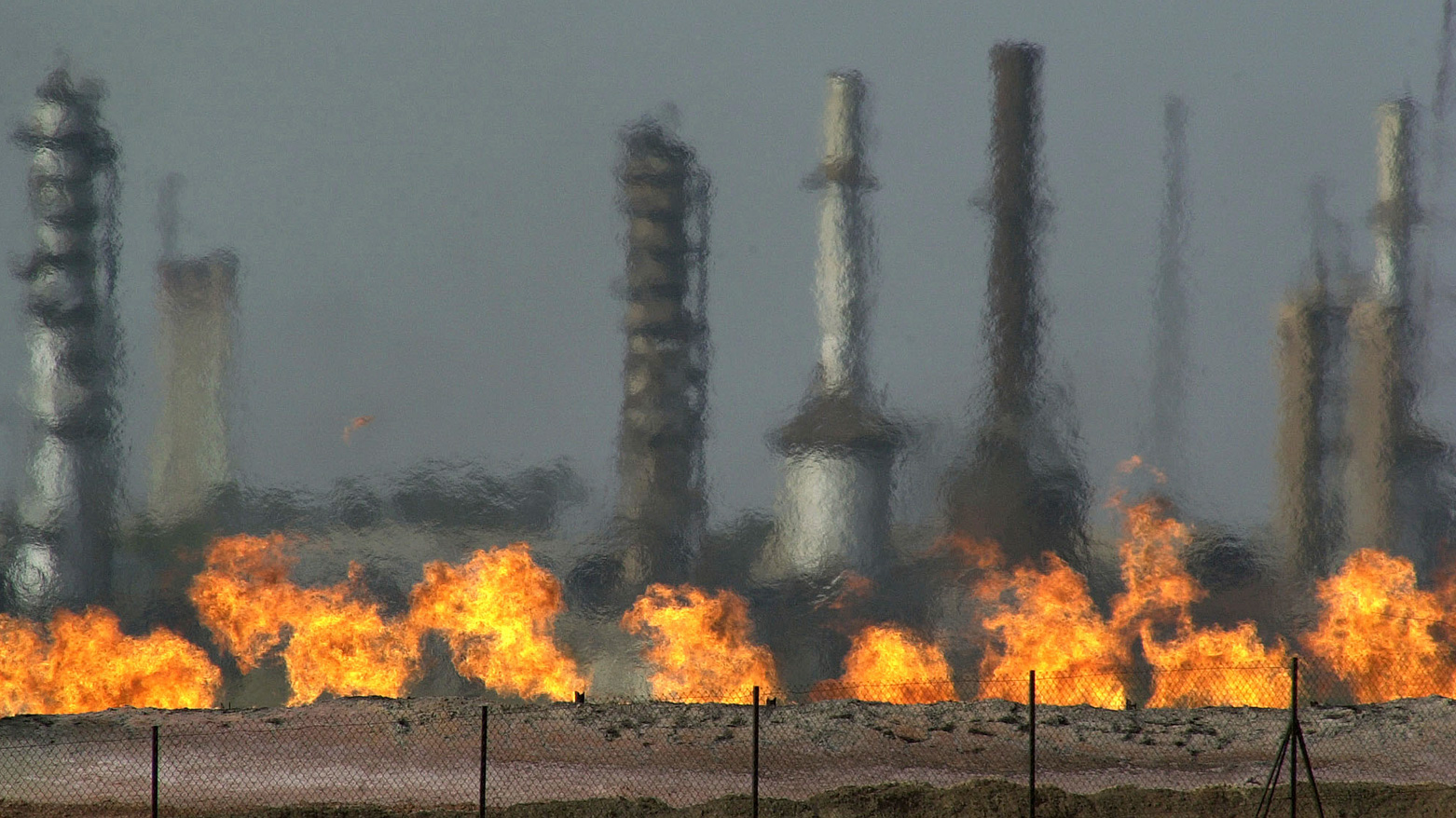
ERBIL (Kurdistan24) - Hundreds of daily-wage employees at the Kirkuk refinery protested outside the Kirkuk governorate headquarters on Tuesday, demanding reinstatement and more than four months of unpaid wages after they were told to stop working following a corruption case involving former Oil Ministry official Adnan al-Jumaili.
Protesters told Kurdistan24 that around 650 workers at the Kirkuk refinery, which is affiliated with the Baiji refinery, had been sent home after al-Jumaili's arrest.
"We worked on a daily-wage basis at the Kirkuk refinery, which is affiliated with the Baiji refinery. There are 650 of us, but after Adnan al-Jumaili's arrest, we were all dismissed," one worker told Kurdistan24.
The protesters said they had also not received wages covering four months and 10 days.
According to one worker, engineers were paid 40,000 Iraqi dinars per day, while other laborers received between 20,000 and 25,000 dinars.
Workers demand reinstatement
The protesters called for their previous employment arrangements to be restored and demanded permanent positions.
"We want our jobs back and the employment arrangements in place before 2025 restored," one protester said.
The worker claimed that responsibility for the employees was subsequently transferred to investors, resulting in disputes over employment rights and financial entitlements.
Another protester said some employees had worked at the facility continuously from 2019 until 2026 before being instructed, without advance notice, to remain at home.
"We are demanding the four months' pay they owe us, but officials have so far given us no explanation about our financial entitlements," the worker said.
The protesters said refinery management had cited concerns over so-called ghost workers as part of the employment review.
One demonstrator claimed that the official workforce associated with the Kirkuk and Baiji refineries numbered approximately 11,600, while only about 4,000 people had completed employment forms during a registration process a month earlier.
The protester alleged that some of those not registered were either already employed elsewhere in the public sector or existed only as names on payroll records.
Kurdistan24 could not independently verify those claims, and no official statement cited in the available reporting provided figures on alleged ghost employees.
The workers said they should not collectively lose their jobs or outstanding wages because of irregularities involving other individuals.
Their demonstration places additional pressure on refinery authorities to clarify the status of the 650 workers, determine responsibility for their unpaid salaries and explain whether those removed from the workplace will be allowed to return.
For the protesters gathered in Kirkuk on Tuesday, the immediate demands remain straightforward: payment of outstanding wages, restoration of their jobs and a clear path toward permanent employment.