Wildlife in Kurdistan Region Faces Growing Threats from Climate Change, Hunting
The region is home to numerous species of wild animals, including the Kurdish leopard, brown bear, red fox, wolves, Bezoar ibex, brown hare, least weasel, crested porcupine, golden jackal, wildcat, and a wide variety of birds.
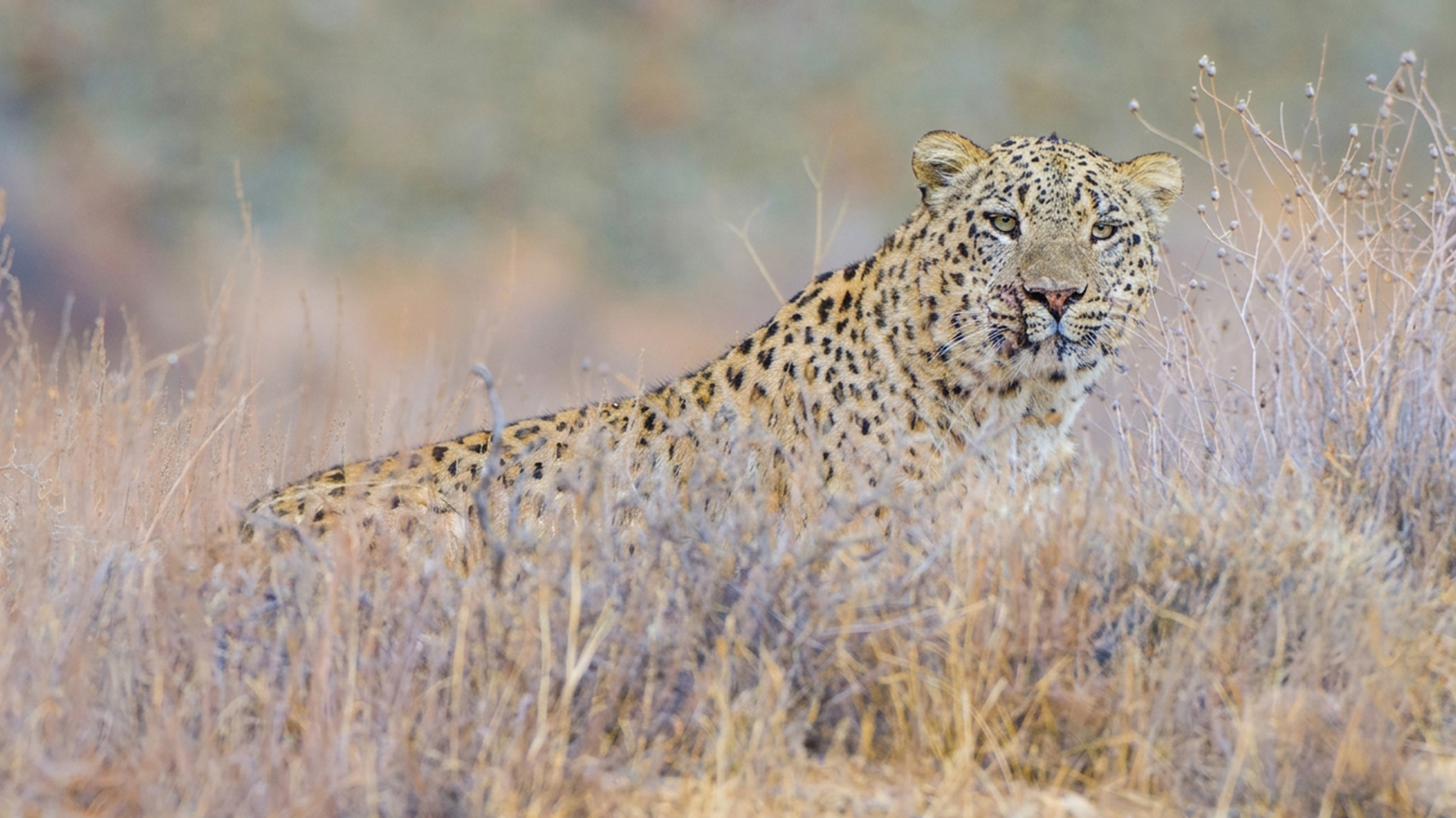
ERBIL (Kurdistan24) – The Kurdistan Region, with its diverse geography and extensive mountainous areas, is considered one of the Middle East’s richest areas for wildlife diversity. Protecting its wildlife is not only essential to preserving the region’s natural heritage but also a national responsibility to maintain the balance of its ecosystems.
The region is home to numerous species of wild animals, including the Kurdish leopard, brown bear, red fox, wolves, Bezoar ibex, brown hare, least weasel, crested porcupine, golden jackal, wildcat, and a wide variety of birds. However, environmental and climate-related changes increasingly endanger several species, with some populations declining significantly.
The Kurdish leopard, regarded as one of the world’s rarest leopard populations and a symbol of Kurdistan’s wilderness, has been documented in the Barzan area.

Environmental experts say protecting wildlife is essential to maintaining the food chain and safeguarding forests and vegetation. Each species has a role in the ecosystem. Predators, for example, help regulate animal populations and limit the spread of disease, while birds contribute to the dispersal of plant seeds and the regeneration of natural habitats.
Solin Saadi, head of the Natural Environment Department at the Kurdistan Regional Government Environmental Protection and Improvement Board, told Kurdistan24 that efforts to protect the region’s environment and implement the Convention on International Trade in Endangered Species of Wild Fauna and Flora (CITES) have been intensified.
Saadi said the trade of wild animals without an official certificate is illegal and can result in legal action.

She warned that several rare species, including leopards and jaguars, face the risk of extinction and stressed that strict regulations are in place to control hunting. Hunters are required to obtain official permits, and unauthorized hunting is considered a violation of the law.
Saadi also highlighted the impact of climate change and armed conflicts on wildlife and natural habitats. Rising temperatures, drought, and forest fires are damaging ecosystems and reducing the habitats available to wild animals.
Wars and armed conflicts have also caused both immediate and long-term environmental damage through bombardment, the establishment of military bases, and the contamination of soil and water with chemical substances.
Environmental authorities and experts therefore stress that protecting wildlife requires stronger enforcement of hunting regulations, preventing illegal wildlife trade, and preserving natural habitats in the face of climate change and other environmental threats.
