Pentagon Polygraphs 50 Officers Over Iran War Munitions Leaks
Retired Rear Admiral calls the scale "unprecedented in his experience," Hegseth has held no Iran war press briefing since May, and Trump personally rejected ammunition shortage reports as the crackdown on leaks intensifies
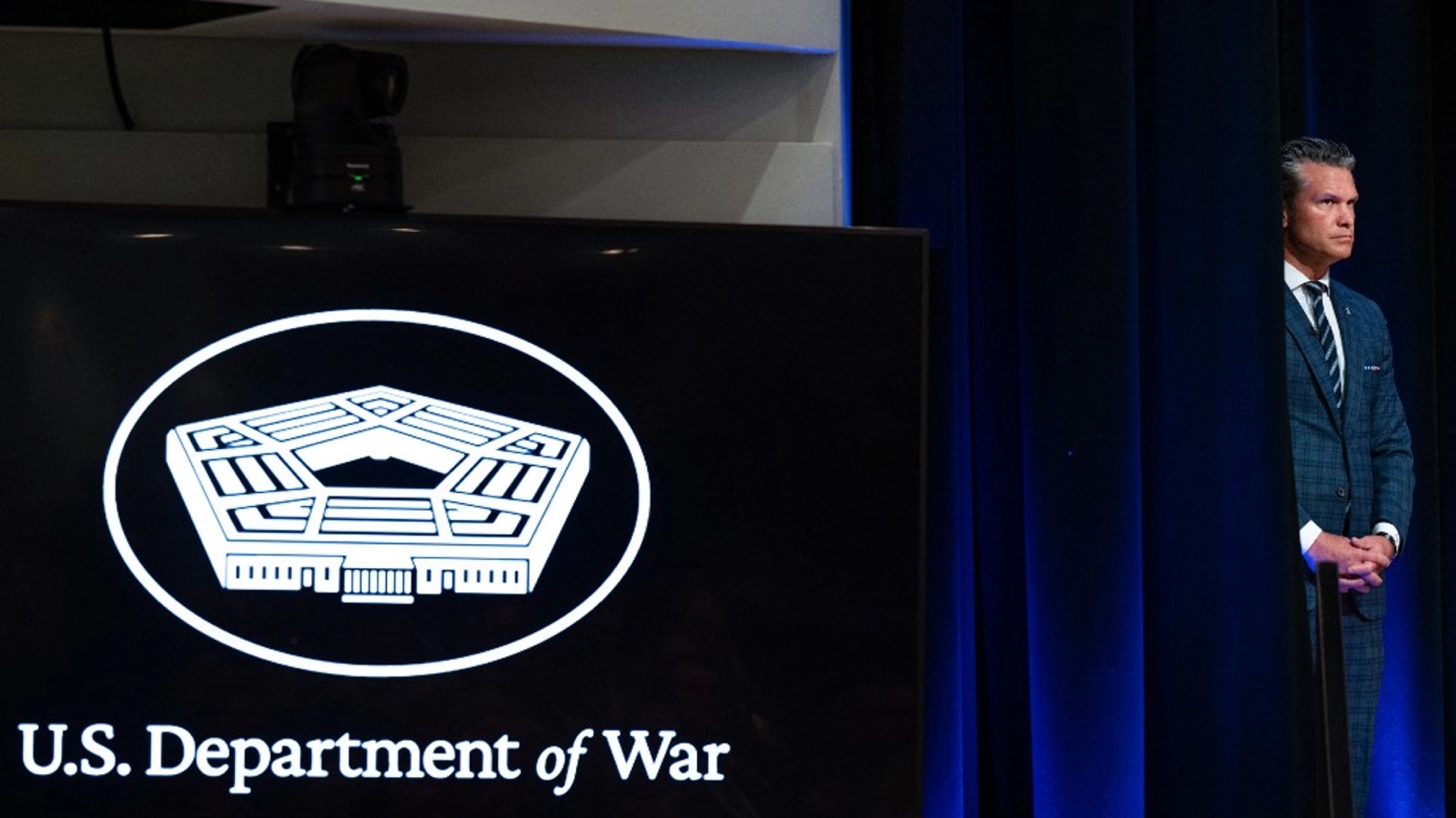
ERBIL (Kurdistan 24) - The Pentagon subjected approximately 50 military officers and civilian employees on the US Joint Staff to polygraph examinations in August 2026 as part of a sweeping internal investigation into the leaking of classified information about American military munitions stockpiles to media organizations during the war with Iran, the New York Times and CBS News reported on Saturday citing officials with knowledge of the matter, in a crackdown that a retired Rear Admiral has described as unprecedented in scale and seniority.
The polygraph tests were conducted in August 2026 following several media reports that raised the issue of declining US munitions stockpiles during the Iran war, including long-range missiles and Patriot interceptors. Investigators questioned officers and civilian employees about whether they had disclosed classified information to journalists and whether they had specifically leaked details about the depletion of American weapons stockpiles to media organizations.
The Joint Staff, which includes roughly 1,500 to 2,000 personnel, assists senior military leadership with operations, policy, and war planning. The reported testing involved both uniformed officers and civilian employees. According to a senior Pentagon official who spoke to CBS News, Joint Chiefs Chairman General Dan Caine was not among those subjected to the polygraph examinations. The network clarified that none of those who underwent testing were found to have lied in their responses to questions aimed at identifying who was responsible for leaking the classified information.
According to CBS News, the tests covered several senior military officials and CENTCOM commanders and other field commanders. Subjecting military and civilian officials to polygraph tests is not unusual, particularly for those with access to highly classified materials, but the large number of people tested in this specific case is described as unusual by a senior Pentagon official, signaling the broad scope of the investigation.
Retired Rear Admiral Donald J. Guter, a former Judge Advocate General of the Navy, provided the most pointed outside assessment of the investigation's extraordinary scope, saying the reported scale and seniority of the testing was unlike anything in his experience. "I've never seen polygraphs employed this broadly or at this seniority level," Guter said, a statement that places the Pentagon's leak investigation in a category of its own among American military security crackdowns in the modern era.
Pentagon spokesman Sean Parnell declined to comment specifically on the investigation or on individual employee cases, but stressed that the department takes unauthorized disclosures of classified national security information extremely seriously and investigates them accordingly. He added that protecting information classified as secret is essential to ensuring the safety of America and American forces deployed around the world.
Two additional details significantly expand the context of the investigation. Defense Secretary Pete Hegseth has not held a press briefing on the Iran war since May 5, 2026, and has increasingly restricted media access at the Pentagon, a posture that reflects the administration's broad effort to control information about the conflict's military dimensions. President Trump has also personally rejected reports of serious US ammunition shortages and criticized disclosures about weapons availability during the Iran conflict, placing the polygraph investigation within a direct presidential directive to identify and punish those responsible for undermining the administration's preferred narrative about the war's conduct.
The crackdown comes amid heightened tensions between the Pentagon and the media more broadly. The combination of restricted press briefings, expanded polygraph testing, and a joint Pentagon-Justice Department investigative team actively pursuing leak sources has created an information environment around the Iran war that is more tightly controlled than any American military conflict in recent memory. The Defense Department and Justice Department had previously formed a joint working team to identify those responsible for leaking sensitive government information to media organizations and to pursue them through appropriate legal channels.
The investigation reflects the acute sensitivity of the munitions stockpile question during the Iran war, in which the pace and intensity of American strike operations, including nine consecutive nights of airstrikes against Iranian military targets under Operation Epic Fury, have placed unprecedented demands on US precision-guided munitions production and inventory management. Media reports raising questions about the adequacy of US weapons stockpiles during the conflict have been treated by the Pentagon and the administration as a matter of national security concern, given their potential to signal American military limitations to adversaries.