KRG Minister Says Erbil's Diversity Is a Source of Strength
KRG Minister Aydin Maruf says Erbil's ethnic and religious diversity is a source of strength, reaffirming the Kurdistan Region's commitment to peaceful coexistence.
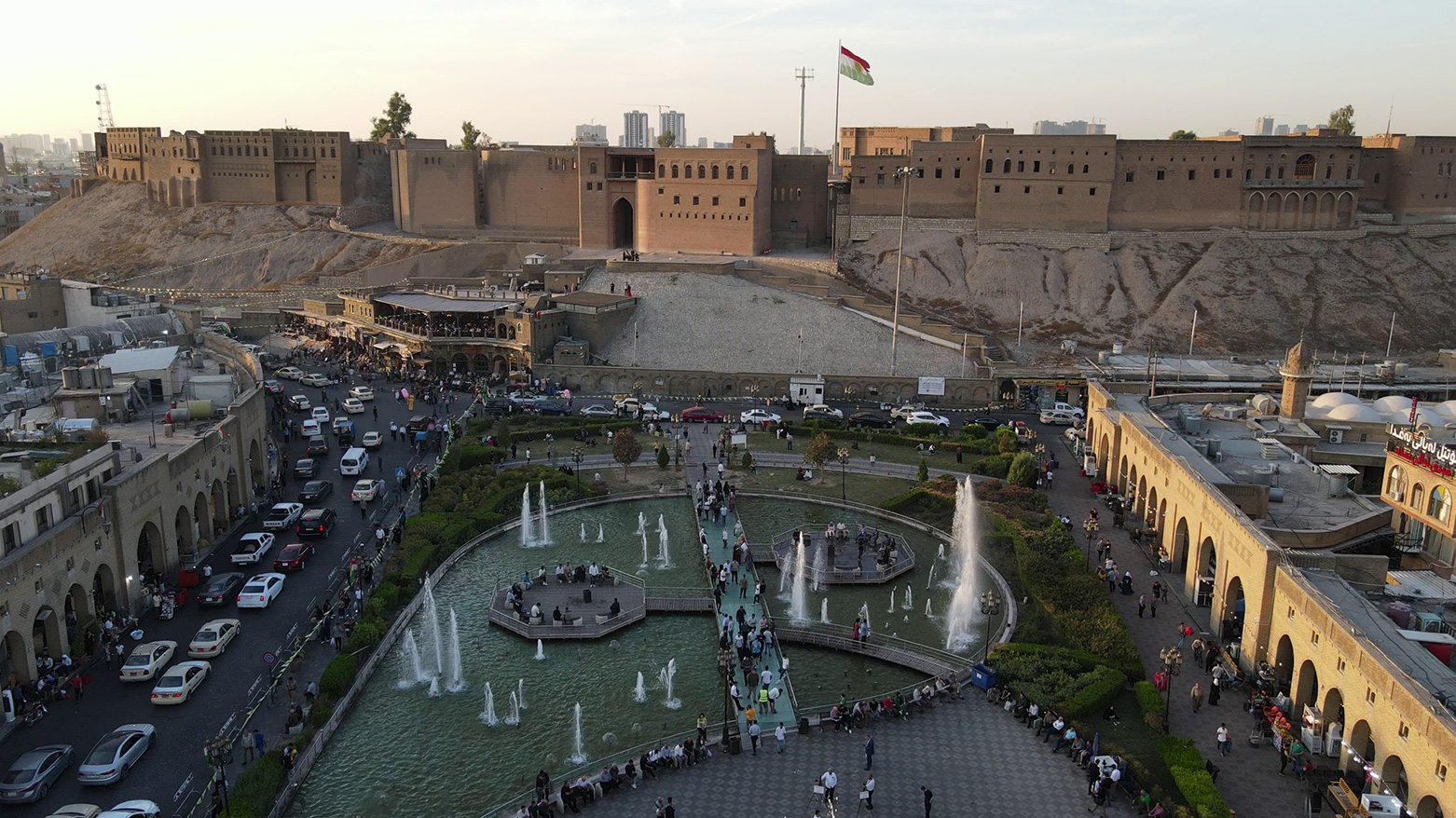
ERBIL (Kurdistan24) - Erbil has historically stood as a stronghold of fraternity, tolerance and peaceful coexistence among different ethnic and religious communities, KRG Minister of State for Components Affairs Aydin Maruf said Sunday, describing the city's diversity as one of the Kurdistan Region's greatest strengths.
In a statement issued on Sunday, Maruf said communities in Erbil have long lived alongside one another with mutual respect and harmony.
He described that tradition as a source of "immense pride" for the Kurdistan Region and stressed that pluralism should not be viewed as a cause of division.
Rather, Maruf said, diversity represents "the greatest source of strength, richness and beauty" in Kurdistan's society.
He pledged continued efforts to preserve and deepen the culture of coexistence and thanked Erbil's longstanding communities and residents for safeguarding the city's peace and social fabric.
Maruf also called on all communities to work together to protect that tradition and build a more secure and inclusive future for coming generations.
Maruf's remarks reflect a broader policy pursued by the Kurdistan Region Government that presents ethnic and religious diversity as a defining feature of the Region's political and social identity.
The Ninth Cabinet agenda places coexistence within its section on "Freedom, Democracy, and Coexistence," committing the government to strengthening equality, liberty and peaceful relations among communities while opposing ethnic, sectarian and religious extremism.
The policy goes beyond symbolic interfaith dialogue.
Official KRG statements have linked coexistence to religious freedom, political representation, equality before public institutions and protection against hate speech and exclusion.
Prime Minister Masrour Barzani has repeatedly emphasized that the government carries a responsibility to protect the rights of all communities, while the KRG's foreign-relations policy presents democracy, rule of law and religious and cultural coexistence as central principles in its engagement with international partners.
The Kurdistan Region is home to Kurds, Turkmen, Assyrians, Chaldeans, Armenians, Arabs, Muslims, Christians, Ezidi Kurds and other communities, with many maintaining their own religious, linguistic and cultural institutions.
The KRG's coexistence discourse gained greater political significance during Iraq's sectarian violence and after ISIS seized large areas of the country in 2014.
Hundreds of thousands of Christians, Ezidis and members of other communities sought refuge in the Kurdistan Region during the ISIS offensive, turning the principle of coexistence into an immediate humanitarian and security responsibility.
The government has also sought to support religious practice through public institutions.
Kurdistan24 previously reported that in 2026 the KRG allocated four billion Iraqi dinars to assist more than 5,120 Hajj pilgrims and deployed medical, administrative and service teams to support them. Government assistance has also extended to Christian religious visits and Ezidi ceremonies.
Official commemorations of past atrocities have similarly become part of the coexistence message.
On the 93rd anniversary of the Simele massacre in 2026, Kurdistan Region President Nechirvan Barzani reaffirmed a commitment to diversity, coexistence and mutual acceptance, describing Kurdistan as a shared homeland for all its communities.
The KRG has also linked coexistence to combating hate speech. At a conference in Erbil in 2023, Prime Minister Barzani warned that incitement, discrimination and exclusionary ideologies had historically contributed to war, genocide and forced displacement.
Maruf's latest statement places Erbil within that wider framework.
His message presents coexistence not simply as the absence of communal conflict, but as a civic culture that depends on communities being able to preserve their identities while sharing the same political and social space.
For the KRG, sustaining that model requires continued protection of components' rights, political participation and religious freedom.
As Maruf stressed, preserving Erbil's pluralistic character is therefore both a matter of honoring its history and ensuring that diversity remains a source of stability and strength for future generations.