CENTCOM Reports 92 Vessel Interceptions as US Enforces Iran Blockade
US Central Command says its forces have redirected 92 commercial vessels, disabled three and boarded two as part of ongoing efforts to enforce the maritime blockade against Iran.
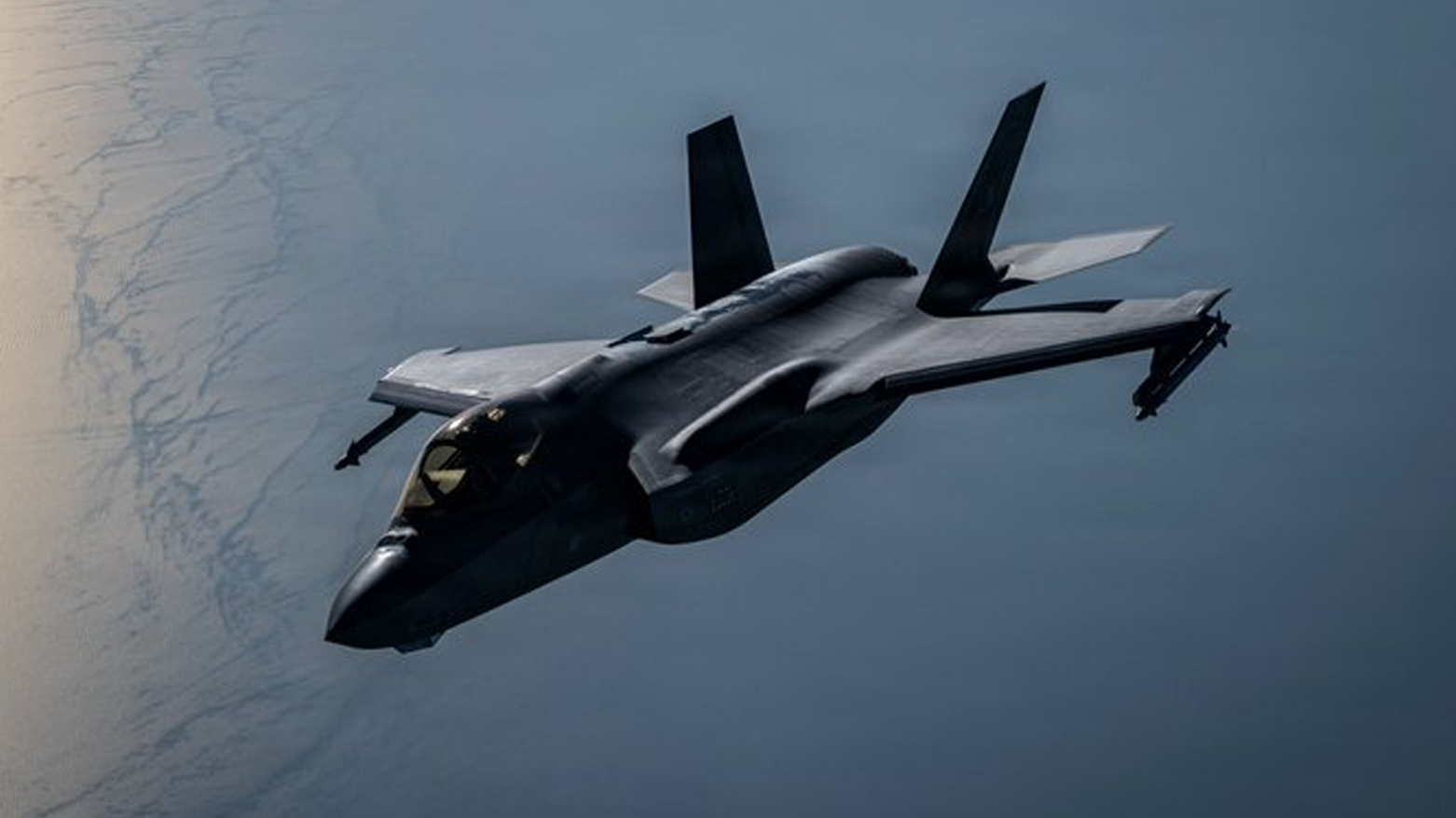
ERBIL (Kurdistan24) - US Central Command (CENTCOM) said Sunday, that US forces had redirected 92 commercial vessels, disabled three and boarded two as they continued enforcing a maritime blockade against Iran, while advanced F-35A fighter jets conducted patrols over regional waters.
In a statement posted on X, CENTCOM said the operations were aimed at ensuring strict compliance with the maritime blockade, highlighting the use of advanced aircraft to monitor the region’s waterways.
CENTCOM said a US Air Force F-35A stealth fighter jet was patrolling over regional waters as US forces continued enforcing the blockade.
The command said that, as of Sept. 6, US forces had redirected 92 commercial vessels, disabled three and boarded two.
The figures provide a snapshot of the scale of the ongoing maritime enforcement operation as Washington maintains pressure on Iran’s ability to use regional waterways and financial networks.
The maritime operation comes amid a broader US campaign against Iran that has combined military and economic pressure.
A recent Fox News opinion article argued that the Trump Administration’s campaign has degraded Iran’s military capabilities but questioned whether Washington has established a clear political endgame.
The commentary pointed to US efforts to protect commercial shipping while targeting Iranian surveillance and offensive capabilities, including radar networks, maritime assets and mine-laying capabilities.
At the same time, separate intelligence assessments cited in reporting by The New York Times suggested that Tehran has become more confident in its ability to attack targets across the Middle East and could retain substantial stocks of missiles and drones.
The assessments reportedly also identified the Strait of Hormuz as a key source of Iranian leverage, with Tehran having demonstrated its ability to threaten shipping and regional infrastructure.
Washington’s campaign has also expanded into the financial sector.
On Friday, the US Treasury Department sanctioned three Türkiye-based financial entities over Iran-related dealings, targeting Golden Global Portfoy Yonetimi Anonim Sirketi, Golden Global Varlik Kiralama Anonim Sirketi and Golden Global Yatirim Bankasi Anonim Sirketi.
The designations were made under Operation Economic Outcast, which seeks to sever financial channels supporting Iran.
US Ambassador to Türkiye Tom Barrack said the sanctions targeted specific conduct by one financial institution and its subsidiaries, rather than Türkiye or its banking system, while stressing continued cooperation between Washington and Ankara.
The maritime blockade places commercial shipping and the Strait of Hormuz at the center of the broader confrontation.
The Fox News commentary argued that Iran can impose significant risks on international commerce through missiles, drones, mines and fast boats, potentially affecting shipping companies, insurers and governments using the waterway.
Meanwhile, intelligence assessments cited by The New York Times reportedly indicate that Tehran believes it retains meaningful leverage through the strait and could seek to prolong the confrontation.
CENTCOM’s latest figures show that maritime enforcement remains an active component of Washington’s broader pressure campaign against Iran.