UAE Says Rebuilding Trust With Iran Difficult but Necessary
Gargash says Gulf states failed to mount a united strategic response to Iranian attacks during the Middle East war
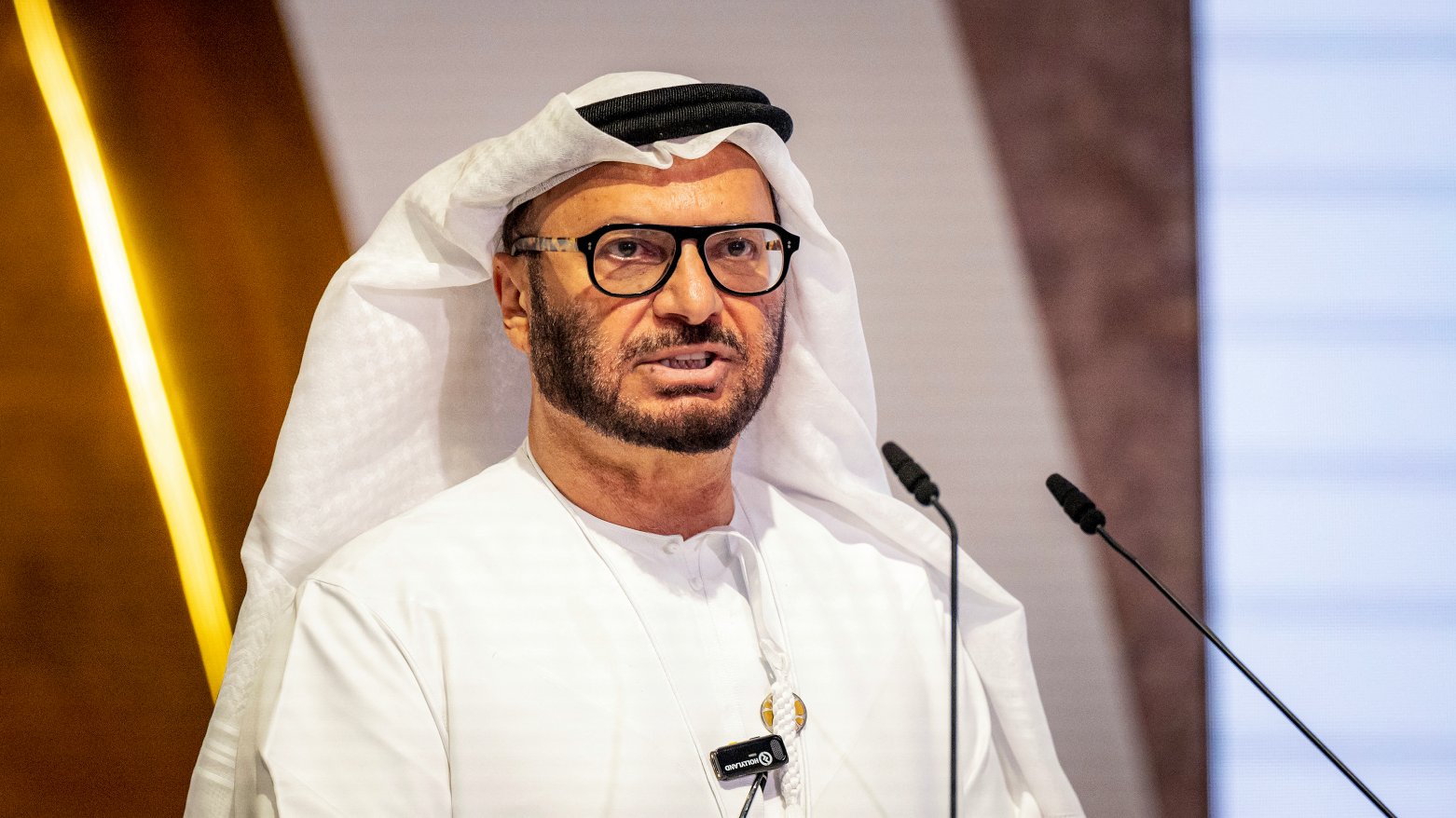
ERBIL (Kurdistan24) — Restoring trust with Iran will be difficult but necessary, a senior Emirati official said Monday, calling for an ambitious dialogue with Tehran while acknowledging that Gulf states failed to develop a sufficiently united response to Iranian attacks during the Middle East war.
Anwar Gargash, diplomatic adviser to UAE President Sheikh Mohamed bin Zayed Al Nahyan, said geography left the Gulf states with no alternative but to engage with Iran, while stressing that rebuilding a functional relationship would be easier than restoring the trust damaged by the conflict.
“Our dialogue with Iran should be ambitious. It should move beyond transactional issues and address the larger strategic questions confronting the Gulf: security, non-interference, freedom of navigation, economic cooperation, and ultimately the rebuilding of confidence,” Gargash said at the Hili Forum in Abu Dhabi.
“Trust is the mountain we will have to climb, and there is something worth climbing towards,” he added.
Gargash distinguished between restoring practical relations with Tehran and rebuilding mutual confidence, saying the former was necessary while the latter would be considerably more difficult.
“Geography leaves us no alternative to engagement, but we must distinguish clearly between rebuilding a necessary and functional relationship with Iran and rebuilding the trust that has been broken. The first is necessary. The second will be far more difficult,” he said.
The UAE, located across the Gulf from Iran and near the strategically vital Strait of Hormuz, came under heavy Iranian attack during the early weeks of the war, with around 3,300 missiles and drones targeting the country.
Although a period of détente appeared to emerge following the June ceasefire between the United States and Iran, tensions have risen again in recent weeks.
Tankers belonging to the UAE’s state-owned Abu Dhabi National Oil Company (ADNOC) have come under repeated attack, while Tehran has claimed to have targeted military bases hosting US forces in the UAE.
The UAE denied an Iranian claim that it had attacked an air base in the country and did not comment on subsequent Iranian claims of strikes against UAE bases.
Iran began targeting US allies in the Gulf after US and Israeli strikes in February severely damaged Iran’s military and political leadership.
Gulf States Failed to Act Collectively
Gargash also acknowledged shortcomings in the Gulf’s collective response to Iran’s attacks, saying individual countries had demonstrated strength but failed to translate that response into a coordinated regional strategy.
“Individually, we demonstrated strength and resolve in responding to Iran’s attacks. Yet, what worked so effectively at the national level did not translate with the same effectiveness to the regional level,” he said.
He compared the situation unfavorably with previous regional crises, including Iraq’s 1990 invasion of Kuwait and the upheaval that followed the Arab Spring.
“I do not believe that collectively we rose strategically to the magnitude of the threat in the way the Gulf did following the invasion of Kuwait, or when confronted by the turmoil of the Arab Spring,” Gargash said.
The Emirati official said Gulf states had shared an understanding of the threat but failed to convert it into a sufficiently coordinated strategy.
“We failed in translating that shared understanding into a sufficiently united and strategic response,” he said.
Gargash’s remarks point to a difficult balance facing the Gulf states: maintaining security against Iranian military pressure while pursuing diplomatic engagement with a geographically close neighbor whose cooperation is considered important for regional stability, freedom of navigation and economic ties.