Iran Expands Maritime Restrictions as Gulf Shipping Comes Under Attack
Tehran announces a new “prohibited zone” extending into the Gulf of Oman and Arabian Sea as tanker attacks escalate following a series of strikes on Iranian and regional shipping
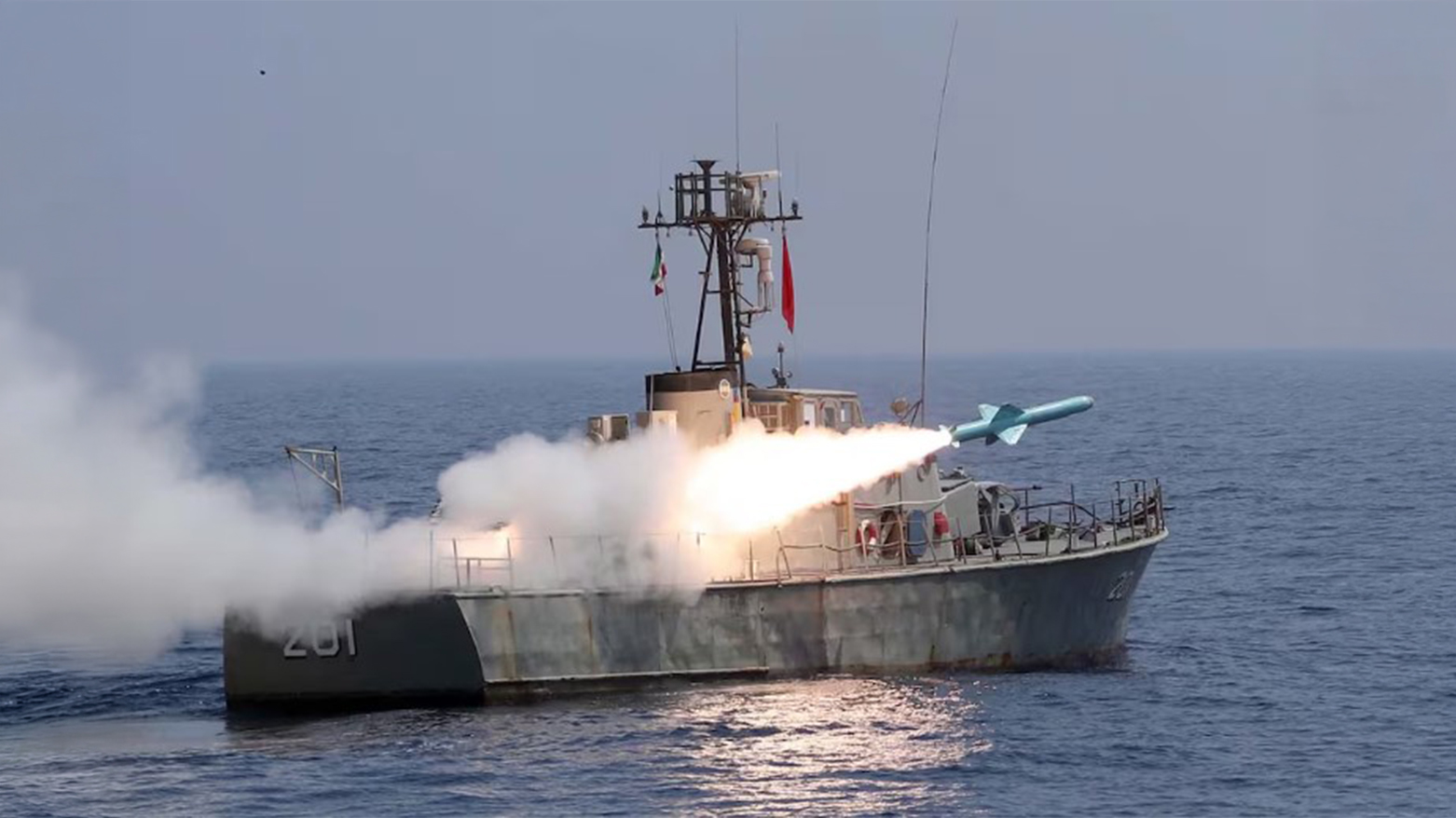
ERBIL (Kurdistan24) — Iran’s Islamic Revolutionary Guard Corps (IRGC) on Wednesday announced plans to establish a new “prohibited zone” extending beyond the Strait of Hormuz into parts of the Gulf of Oman and Arabian Sea, as a series of attacks on commercial vessels raised fresh concerns over maritime security and energy shipments in the region.
IRGC spokesman Hossein Mohebi said the restricted area would begin approximately off the coast of Chabahar and extend into parts of the Sea of Oman and Arabian Sea. He said Iranian authorities would announce the exact coordinates later.
“If a vessel enters that area without coordination, it will be subject to our sanctions,” Mohebi told Iranian state television, without specifying what measures would be imposed on vessels entering the zone.
The announcement came amid escalating attacks on commercial shipping that have increasingly affected vessels carrying oil and other energy products in and around the Gulf.
Iran’s Foreign Ministry on Wednesday strongly condemned US strikes on Iranian oil tankers the previous day, describing the attacks as a threat to regional and international security.
“The aggressive actions by the United States against Iranian commercial vessels not only increase the dangers of tensions in the region but are also considered an overt threat to regional and international peace and security,” the ministry said in a statement.
The ministry said Iranian forces had targeted US military facilities in the region in what it described as “self-defense.”
Tanker carrying Iraqi fuel oil hit
Separately, a tanker carrying about 2 million barrels of Iraqi fuel oil was struck by a drone in Iraqi territorial waters on Wednesday, according to two Iraqi port officials cited by Reuters.
The Panama-flagged tanker New Andros caught fire after being hit at around 6 a.m. local time, according to the officials. The vessel was carrying 22 crew members, with no casualties reported.
The incident adds to mounting concerns over the safety of commercial vessels operating near the Gulf and surrounding waterways amid the intensifying military confrontation.
The United Kingdom Maritime Trade Operations (UKMTO), a British navy-affiliated maritime security agency, earlier reported that several merchant vessels in the northern Gulf and Gulf of Oman had been hit by disabling fire during military activity overnight.
UKMTO said it could not immediately confirm whether there had been casualties or environmental damage.
In a separate incident reported Wednesday, UKMTO said a vessel was sighted listing while anchored about 24 nautical miles from Port Rashid in the United Arab Emirates.
The condition of the vessel may have indicated that it had taken on water following an attack involving an unidentified projectile, the agency said.
Iran claims attacks on 10 ships
Iranian authorities said Wednesday that Iranian forces had attacked 10 ships near the Strait of Hormuz after the United States sank five Iranian oil tankers.
The claim represents one of the largest declared waves of reciprocal attacks on commercial shipping by the two sides since the beginning of the six-month-old war.
The Strait of Hormuz is one of the world’s most strategically important energy chokepoints, through which a significant share of global oil and liquefied natural gas shipments passes. Any sustained disruption in the waterway could have significant consequences for international energy markets and global shipping.
Iran’s announcement of a new restricted maritime zone therefore adds another layer of uncertainty for commercial operators already facing heightened risks across the Gulf, Gulf of Oman and surrounding waters.
The latest developments come as the United States and Iran continue exchanging attacks across the region, with commercial vessels increasingly caught amid the broader confrontation.
The growing number of incidents involving tankers and merchant ships has also raised concerns about potential disruptions to oil supplies, higher shipping and insurance costs, and further pressure on global energy markets if the violence continues to spread across the region’s major maritime routes.