Saudi-Led Coalition and Houthis Trade Airstrikes as Yemen Conflict Intensifies
More than 50 Saudi strikes reported across Yemen as fighting near the Red Sea leaves more than 500 people dead
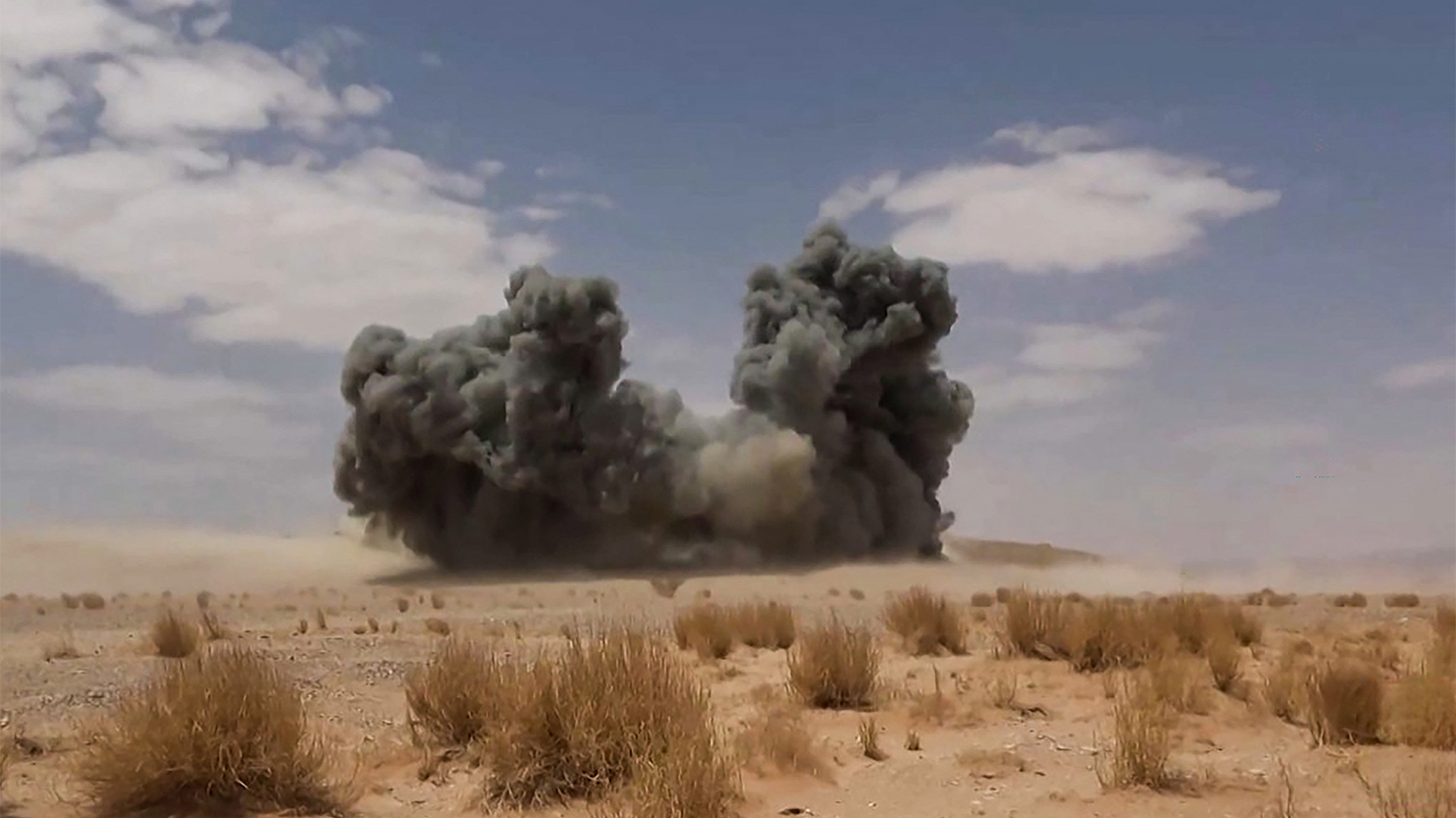
ERBIL (Kurdistan24) — Yemen's Houthi forces and the Saudi-led coalition exchanged airstrikes on Wednesday as fighting intensified across the country, with the renewed conflict killing more than 500 people and displacing nearly 20,000 others, according to the Houthis and the International Organization for Migration (IOM).
The Houthis said more than 50 Saudi-led airstrikes targeted several parts of Yemen, including the flashpoint provinces of Taiz and Hodeida, where fierce fighting has continued between the Iran-backed rebels and Saudi-backed government forces.
“It’s a catastrophe, and the attacks are ongoing,” Mohammed Khudairi, one of those displaced by the fighting, told AFP at a displacement camp near Khokha on Yemen’s Red Sea coast.
“We managed to leave, but others remain trapped there,” he said.
The latest exchanges came a day after the Houthis launched their heaviest missile and drone attacks against Saudi Arabia in years, setting fire to oil facilities and wounding 73 people, according to Saudi authorities.
The Saudi-led coalition said the Houthis launched fresh attacks on southern Saudi Arabia on Wednesday. Coalition spokesman Turki al-Maliki said the group fired several ballistic missiles and drones toward Khamis Mushait, Abha and Jizan, without reporting casualties.
Houthi military spokesman Yahya Saree, meanwhile, said Saudi aircraft had conducted 54 airstrikes over a 12-hour period against the provinces of Al-Jawf, Marib, Taiz, Hodeida and Saada.
The Houthi-run Al-Masirah television channel also reported that the death toll from Saudi strikes on a prison earlier in the week had risen to 32, with seven others wounded, as rescue and recovery operations continued.
Battle for Hodeida
The escalation is unfolding as fighting intensifies around the Bab al-Mandab Strait, a strategically important gateway to the Red Sea shipping route.
More than 500 people have been killed since the Houthis launched a major offensive last week seeking to seize territory around the strait, according to the report.
The Iran-backed group has also targeted Saudi oil tankers in an effort to tighten pressure on regional energy shipments following Iran’s blockade of the Strait of Hormuz, analysts said.
The Institute for the Study of War assessed that Hodeida could become the “ultimate objective” of Saudi-backed forces.
The Red Sea port is strategically important because it serves as a major entry point for civilian and military supplies to Houthi-controlled areas. Its loss would represent a significant military and logistical setback for the rebels, according to the institute.
The fighting has also intensified as oil prices returned to around $100 a barrel on Wednesday amid the wider Middle East war, which has disrupted energy supplies and shipping routes across the region.
Risk of wider escalation
The renewed violence threatens to push Yemen back toward the full-scale conflict that devastated the country before a United Nations-brokered ceasefire in 2022.
The Houthis seized Yemen’s capital, Sanaa, and forced out the internationally recognized government, prompting Saudi Arabia and its regional allies to intervene militarily in 2015.
The conflict continued for years and contributed to one of the world’s worst humanitarian crises before large-scale hostilities largely subsided under the 2022 truce.
The latest escalation began in July after an Iranian aircraft landed in Yemen in defiance of Saudi control of Yemeni airspace. Government forces subsequently struck the airport, while the Houthis blamed Saudi Arabia for the attack.
With the conflict now unfolding alongside the broader Middle East war, the renewed fighting risks further destabilizing Yemen, threatening Red Sea shipping and adding pressure to an already fragile regional humanitarian and economic situation.