Kurdistan MPs Urge Recognition of Soriya Massacre
Kurdistan Parliament lawmakers mark the 57th anniversary of the Soriya massacre, calling for unified action and official recognition of crimes against Christians.
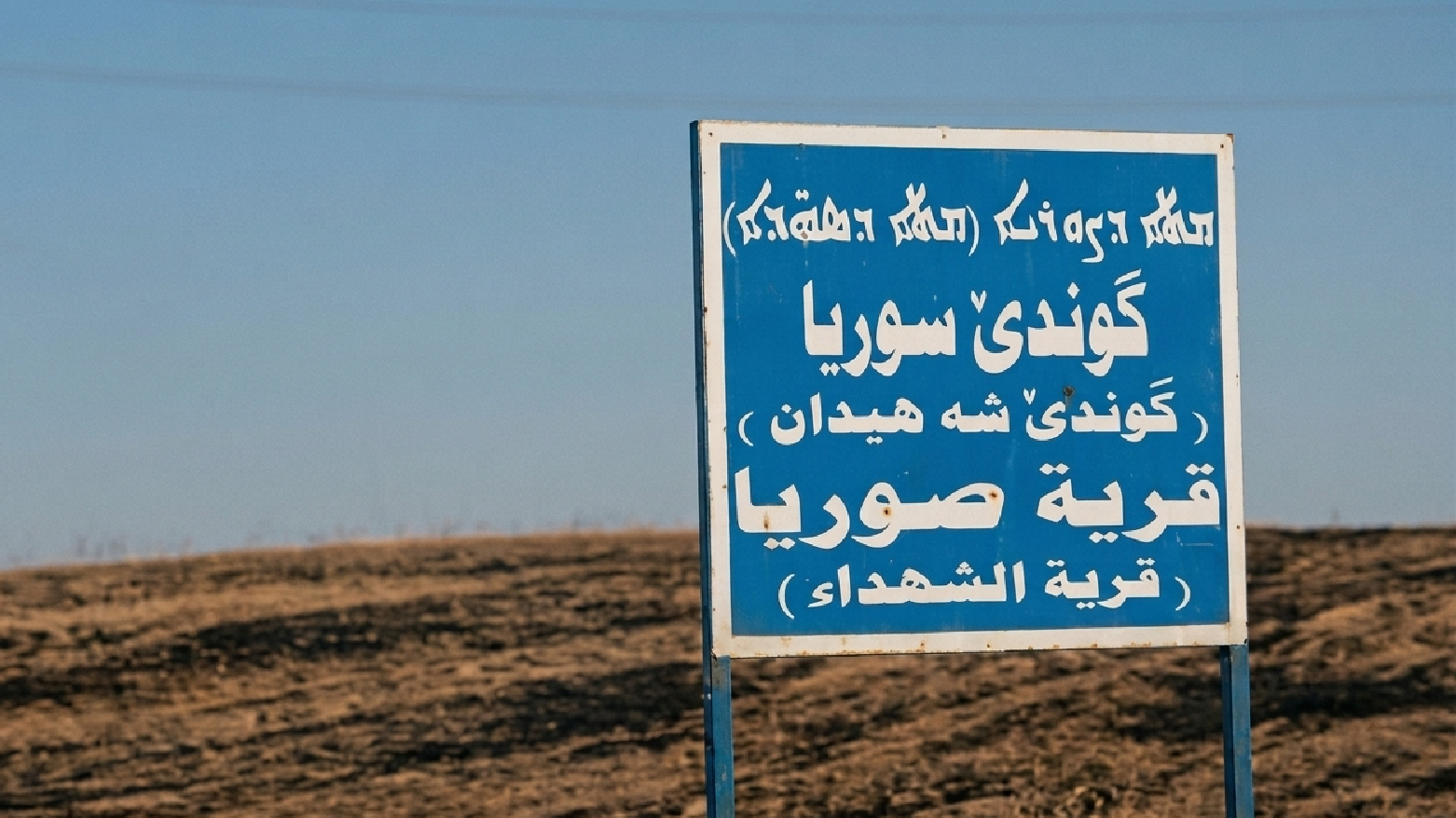
ERBIL (Kurdistan24) - Two Christian members of the Kurdistan Parliament called Wednesday for unified action among the church, political forces, and civil institutions to document crimes committed against their people and secure official recognition of those crimes, marking the 57th anniversary of the massacre in Soriya village.
In a joint statement, lawmakers Dr. James Hasdo Hido and Rami Nouri Shyawis called for constitutional protection of the national and religious identity of the component in its historic areas, alongside efforts to unify positions among churches, political parties, and civil institutions.
The statement recalled the tragedy that unfolded on Sept. 16, 1969, when a detachment of the then-Iraqi army carried out a massacre against unarmed civilians in Soriya village, located in the south-western part of the Silêvana plain, on the bank of the Tigris River. Administratively, it belonged to the al-Asi subdistrict, now known as Batel, in Zakho Independent Administration , Duhok Governorate, Kurdistan Region.
According to the field documentation and records of the Kurdish Genocide National Archive — KGNA, 39 people were killed in the massacre: 25 Christians and 14 Muslims. In addition, 27 people were wounded.
The statement described the Soriya tragedy as a bloody chapter in a series of injustices and persecution in the modern history of what it called an indigenous, peaceful people. It invoked the Sayfo and Simele massacres, along with the subsequent systematic targeting, forced displacement, and mass uprooting of the component from their historic areas in the Nineveh Plain at the hands of extremist groups, noting that these sacrifices and the blood of the innocent were shed in defense of ancestral land in Mesopotamia.
The two lawmakers affirmed that the current phase carries a "historic responsibility" requiring a unified stance involving churches, parties, parliamentarians, and all institutions, outlining the following key paths of action:
Documentation and official recognition: pursuing the documentation of all violations and crimes committed against the people, and working toward official decisions, condemnations, and recognitions of these crimes both locally and internationally. This includes reinforcing security and stability in the historic areas of the indigenous component, while activating the constitutional and legal framework to guarantee full rights and protect national and religious identity from threats of erasure.
The lawmakers concluded their statement by paying tribute to the souls of the martyrs of Soriya village, and to all martyrs of freedom in Kurdistan, Iraq, and the world.