Iran Offers Seven-Day Plan to Ease Tensions and Reopen Strait of Hormuz
Iran says it has sent Washington a seven-day proposal through Qatar to halt the war, reopen the Strait of Hormuz and resume nuclear talks, while the Iranian President Masoud Pezeshkian says he is not ready for a direct meeting with Donald Trump.
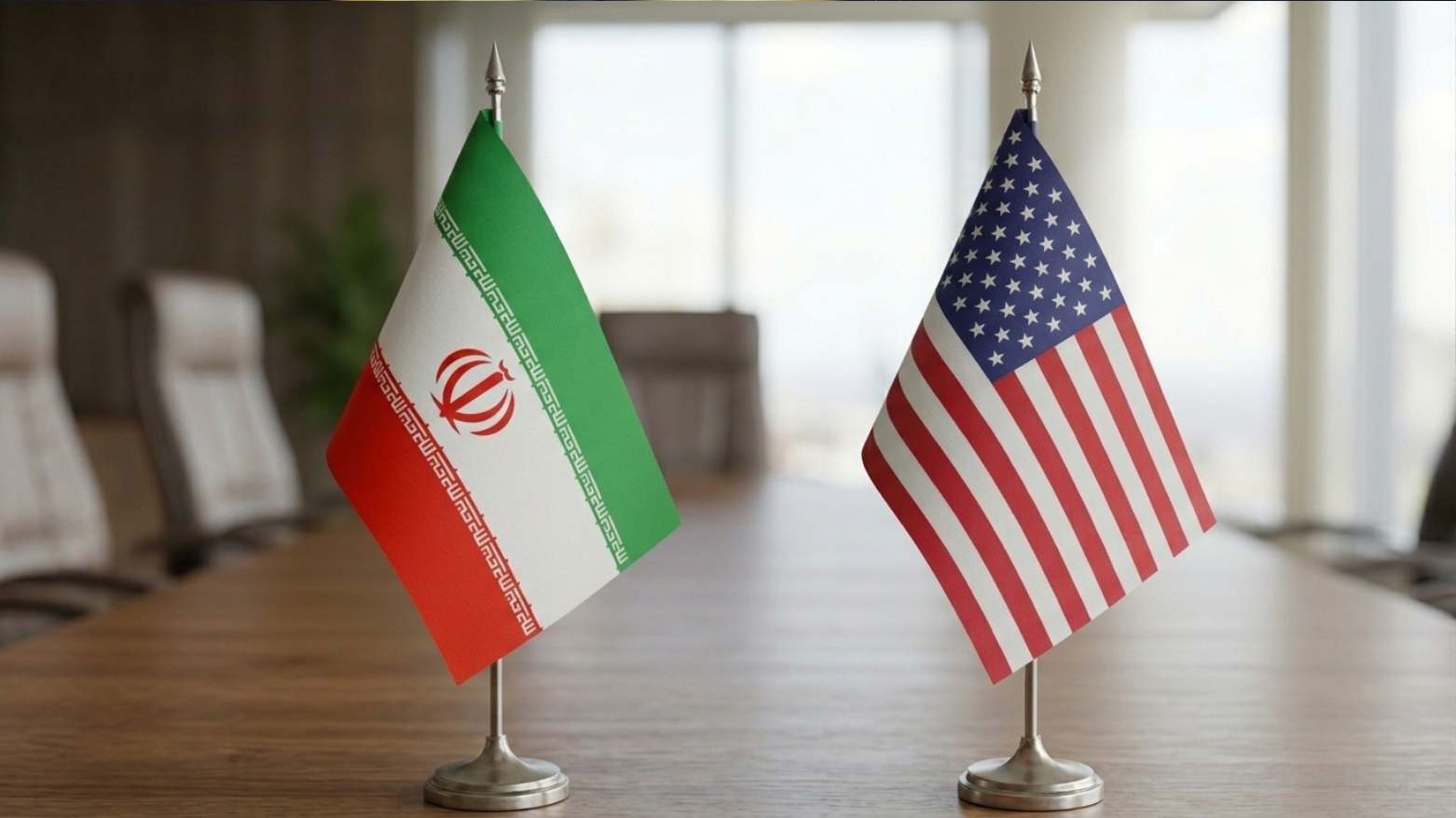
ERBIL (Kurdistan24) - Iran has sent the United States a seven-day roadmap through Qatar aimed at easing regional tensions, reopening the Strait of Hormuz and restarting negotiations over Tehran’s nuclear program, Iranian Foreign Minister Abbas Araghchi said Friday.
Speaking at a press conference in New York, Araghchi said Iran had kept the door to diplomacy open despite what he described as US violations and had delivered the proposal to Washington through Qatar.
According to Araghchi, the seven-day period would begin once the US accepts the proposal. Under the plan, the Strait of Hormuz would be reopened on the sixth day, while negotiations toward a final agreement would begin on the seventh day.
Araghchi said that if Washington was serious, implementing the commitments would not be difficult, adding that “the ball is now in America’s court.”
Araghchi said Iran had continued to uphold maritime security in and around the Strait of Hormuz based on mutual understandings, but claimed the United States had violated those arrangements.
He warned that restoring maritime security could not be achieved through military measures and attributed the current instability in the Strait of Hormuz to what he described as US and Israeli aggression.
On US policy, Araghchi said: “What America is doing is not diplomacy, but an economic war. America uses economic deprivation as a tool for collective punishment and political pressure, and this is a clear disregard for international law and the UN Charter.”
Araghchi also responded to remarks by US President Donald Trump and Israeli Prime Minister Benjamin Netanyahu at the United Nations General Assembly, accusing them of attempting to distort facts and reverse the roles of victim and aggressor.
He said the US and Israel could not conceal what he described as crimes committed against the Iranian people, particularly US attacks that he said had killed large numbers of civilians.
The foreign minister also pointed to Iran’s continued commitment to diplomacy, saying it had been reflected in previous negotiations that led to the signing of the nuclear agreement.
Meanwhile, Iranian President Masoud Pezeshkian said a meeting with US President Donald Trump during his visit to the United States for the UN General Assembly was unlikely.
Asked about his readiness to meet Trump, Pezeshkian said there was a climate of mistrust between Tehran and Washington and that holding a direct meeting with the US president would therefore be difficult.
In an interview with CBS News, Pezeshkian said: “As long as they do not stop what they impose on us every day, it is difficult to trust them.”
He said sanctions against Iran were being increased daily, threats were being made and previously signed agreements were not being respected. He added that the situation had increased his doubts about Washington’s commitment to any future agreement.
Tehran has presented a new seven-day proposal to the US side aimed at halting the war, reopening the Strait of Hormuz and restarting negotiations over Iran’s nuclear program.
The proposal includes lifting the US naval blockade on Iranian ports and removing oil exports from sanctions, alongside a halt to the war before the reopening of the Strait of Hormuz and the resumption of nuclear negotiations.
Araghchi said the conditions were not new and were based on provisions of an understanding reached by the two sides in June.
The Wall Street Journal, meanwhile, reported that Trump had rejected Iran’s seven-day proposal to halt the war and told aides that he expected attacks on Iran to resume after the November congressional midterm elections.