Iraq Forms New Energy Police Force To Combat Oil Smuggling
Iraq’s Energy Police formed a new force to combat oil smuggling in the south, saying pipeline attacks fell 90% as the prime minister ordered a probe in Babil.
ERBIL (Kurdistan24) - Iraq’s Energy Police Directorate has formed a new force dedicated to combating oil theft and smuggling in the south of the country, its director general said on Friday. He said tough security measures have cut attacks on oil pipelines by 90%.
Director General Hamid Hussaini told the Iraqi News Agency (INA) that the new “Force to Combat Smuggling and Theft” reports directly to him and patrols the deserts continuously to monitor the wide pipeline network.
He said the force has already foiled three attempts to install illegal locks to steal oil at the Sabba field in Dhi Qar province.
Hussaini said violations and theft attempts are not limited to crude oil pipelines but affect the entire transport network across the provinces.
He added that, through advanced sensors and continuous monitoring of the locks, several attempts to steal oil in Basra province have recently been foiled.
He attributed the 90% reduction in oil theft to surveillance cameras, night patrols, and coordination with the oil minister and the pipeline company.
Campaigns have also resulted in the seizure of more than 420 offending tankers, which had either tampered with their tanks or changed their designated routes. In addition, 26 specialized centers and a special judge for oil theft cases have begun work, he said.
Hussaini has also decided to redistribute the Maghawir forces across the main oil fields, including North and South Rumaila, Sabba, Gharraf, and Ahdab.
The aim is for them to act as a mobile force supporting field security, as some of the fields extend as deep as 40 kilometers. He requested at least 5,000 contract positions for the Energy Police so that control over smuggling can reach 100%.
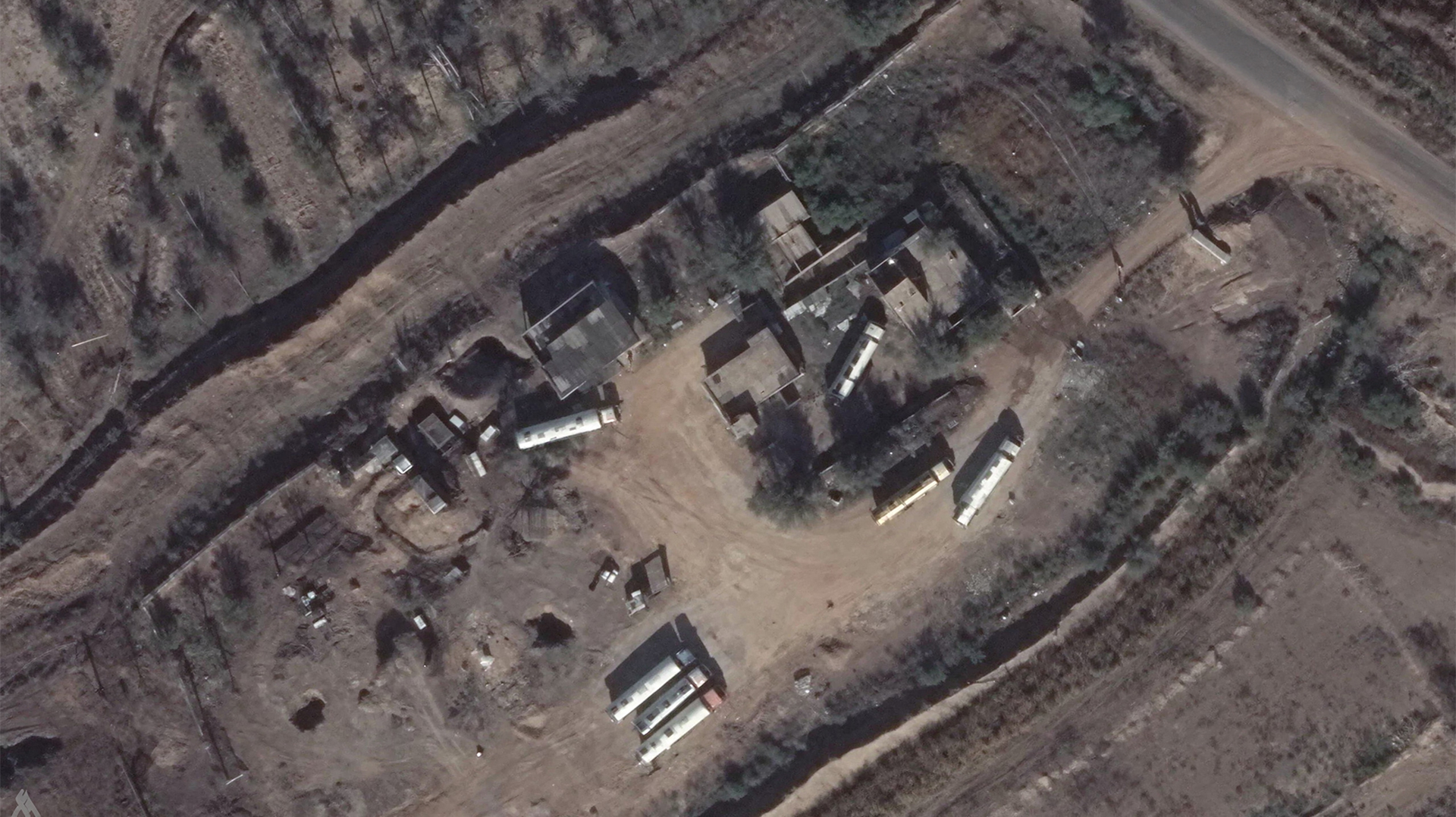
Alongside these steps, INA quoted a source as saying that a committee entered the Jurf al-Sakhr area, also known as Jurf al-Nasr, in northern Babil province on Friday morning.
It traveled under tight security, with a Federal Police military convoy, to investigate on the ground information and documents revealed about oil smuggling and the diversion of export routes in the area.
A senior source said to INA that the Iraqi Prime Minister and Commander-in-Chief of the Armed Forces Ali Falih al-Zaidi ordered a high-level committee to carry out an intensive and wide-ranging investigation into oil smuggling and theft in the area.
Under official letter No. 2/98, dated Nov. 12, 2026, and signed by Zaidi, the committee is headed by the Director General of Discipline and Security of the Popular Mobilization Forces.
Its task is to investigate information on the smuggling of oil products within the Jurf al-Sakhr area. The Federal Police command was instructed to provide a protected military convoy to bring the committee to the area at 9 a.m. on Friday, Nov. 13.
The move follows a 14-page intelligence report that the Federal Intelligence and Investigation Agency sent to the Iraqi parliament.
According to the report, oil smuggling has turned into an organized network, with complex methods of changing the origin of oil products so they can be sold outside the official state system, toward Iran and from there to Afghanistan.
The report also draws attention to a main route called the “Eastern Route,” which starts from the Kirkuk and Sulaimani fields. According to the report, the official oil shares are seized by mafia and smuggling networks before they reach their destination and are then transferred.