KRG Tourism Drive Targets Year-Round Growth and Winter Adventures
The KRG says more than $7.6 billion has been invested in over 105 tourism projects as Kurdistan expands year-round and winter adventure tourism.
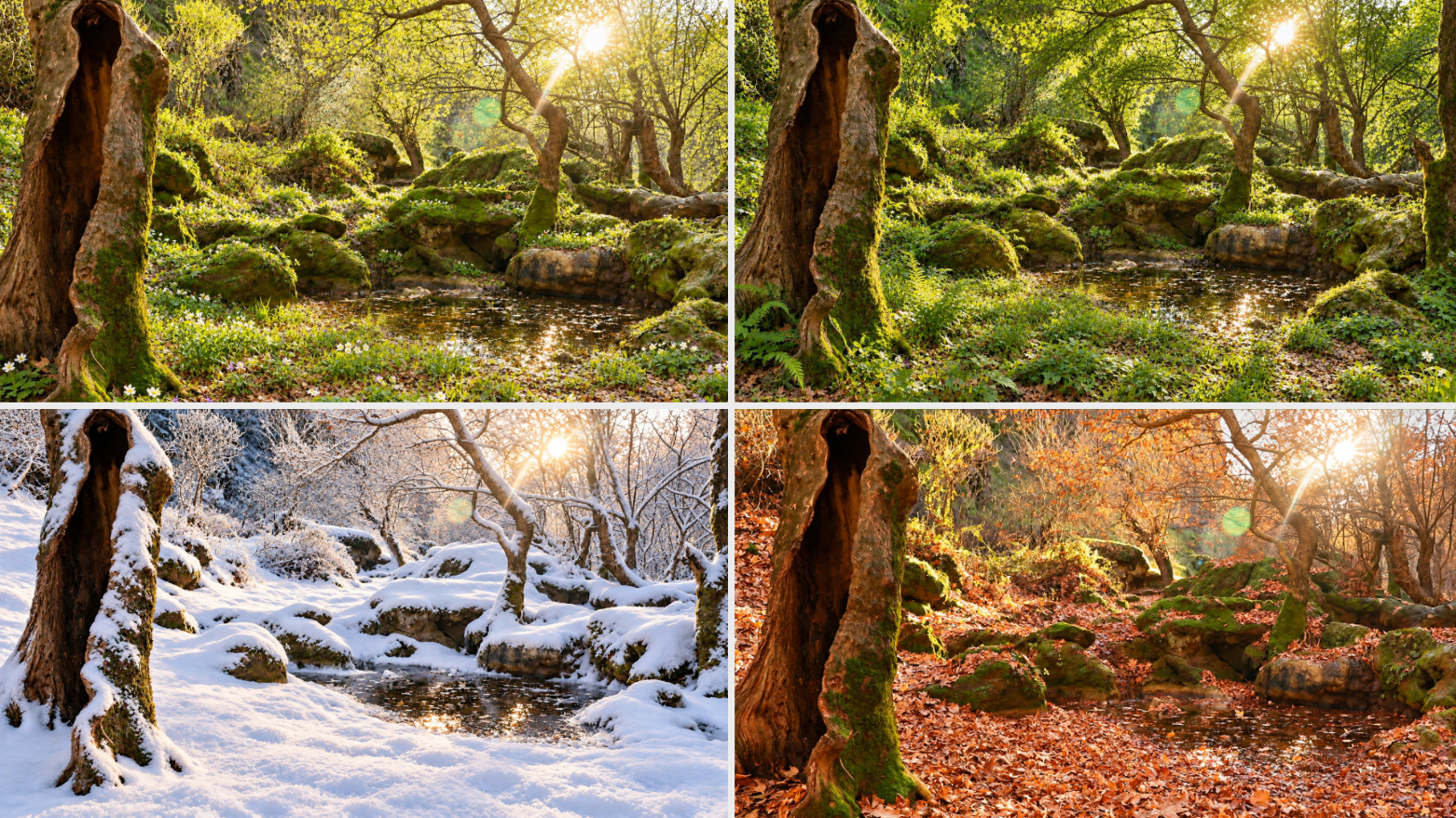
ERBIL (Kurdistan24) - The Kurdistan Regional Government is preparing a new season of winter adventure activities as part of a wider effort to turn tourism into a year-round industry and strengthen its role in economic diversification, after more than $7.6 billion was invested in over 105 strategic tourism projects during the Ninth Cabinet.
Ibrahim Abdulmajid, spokesperson for the Kurdistan Region Tourism Board, told Kurdistan24 on Sunday that investment in tourism infrastructure and operations had transformed the sector during the current cabinet's tenure.
He described the period as a "golden era" for tourism, saying projects carried out across the Kurdistan Region had raised the sector to what he characterized as an international level.
The scale of the investment reflects a broader government effort to expand sources of economic activity beyond traditional sectors. Tourism, with its links to hospitality, transport, retail, cultural events and local production, has increasingly become part of that strategy.
Abdulmajid said development outside the tourism sector had also contributed to the expansion.
Road projects connecting cities, mountain destinations and major routes have made travel easier for visitors and improved access to tourism areas, he said, directly supporting activity across the sector.
The Tourism Board spokesperson also described current visitor numbers as encouraging, citing feedback and information received from tourism centers across the Kurdistan Region.
While he did not provide a specific arrival figure, Abdulmajid said the pattern showed continued momentum in the sector.
The next stage, according to the Tourism Board, is to reduce dependence on a single peak season.
Abdulmajid said the board is pursuing a strategic plan to move from "single-season tourism to sustainable tourism," with attractions and activities designed to bring visitors throughout the year rather than concentrating demand in warmer months.
That approach is already shaping autumn programming.
Tourism, cultural and artistic festivals have been organized in different parts of the Kurdistan Region, combining entertainment with promotion of local products. Farmers and craftspeople have been given space to display their goods, with the aim of developing local produce and handicrafts into recognizable brands.
The strategy is intended to connect tourism more closely with local economic activity, giving farmers, artisans and small producers greater exposure to visitors.
Winter is becoming another focus.
Abdulmajid said tourism authorities are preparing activities in snow-covered areas and organizing adventure events intended to attract visitors from both inside and outside Iraq.
The Kurdistan Region's mountainous geography provides the basis for that seasonal diversification. Rather than treating snowfall as a period of reduced tourism, the board is seeking to turn winter landscapes into another component of the Region's tourism calendar.
Adventure activities are organized annually, Abdulmajid said, and are being developed as part of a broader effort to keep tourism active across all four seasons.
The shift toward year-round tourism also carries an economic objective.
In remarks marking World Tourism Day, the head of the Tourism Board emphasized the sector's role in creating employment opportunities and supporting financial development.
That message reflects the government's broader effort to make tourism a more substantial contributor to the Kurdistan Region's economy through investment, infrastructure and expanded visitor activity.
Events marking World Tourism Day have already begun in the Raparin Administration, Halabja and other parts of the Kurdistan Region and are scheduled to continue for one week.
For tourism authorities, the week provides an opportunity not only to promote destinations but also to highlight the sector's growing connection with employment, regional development and local commerce.
The Ninth Cabinet's more than 105 strategic projects and investment exceeding $7.6 billion provide the physical foundation for that approach, while improved roads and expanded programming are intended to make the infrastructure more accessible and productive.
Abdulmajid's description of a tourism "golden era" therefore rests on a combination of investment, infrastructure development and an attempt to change how the sector operates.
The policy is no longer centered only on attracting visitors during traditional holiday periods or the summer season. The Tourism Board is instead seeking a continuous cycle of cultural festivals, local-product promotion, mountain tourism and winter adventure activities.
Whether that strategy can sustain visitor growth throughout the year will depend on how effectively those investments translate into accessible destinations and attractive services.
For now, the Tourism Board says the direction is clear: tourism is being developed not simply as a seasonal attraction, but as a longer-term part of the Kurdistan Region's economic diversification strategy.