More Than 5,000 SDF Fighters Integrated Into Syrian Army
More than 5,000 fighters from the Syrian Democratic Forces have been integrated into the Syrian army after completing specialized military training, with units deployed at three strategic positions in Hasakah province, including two former international Coalition bases.
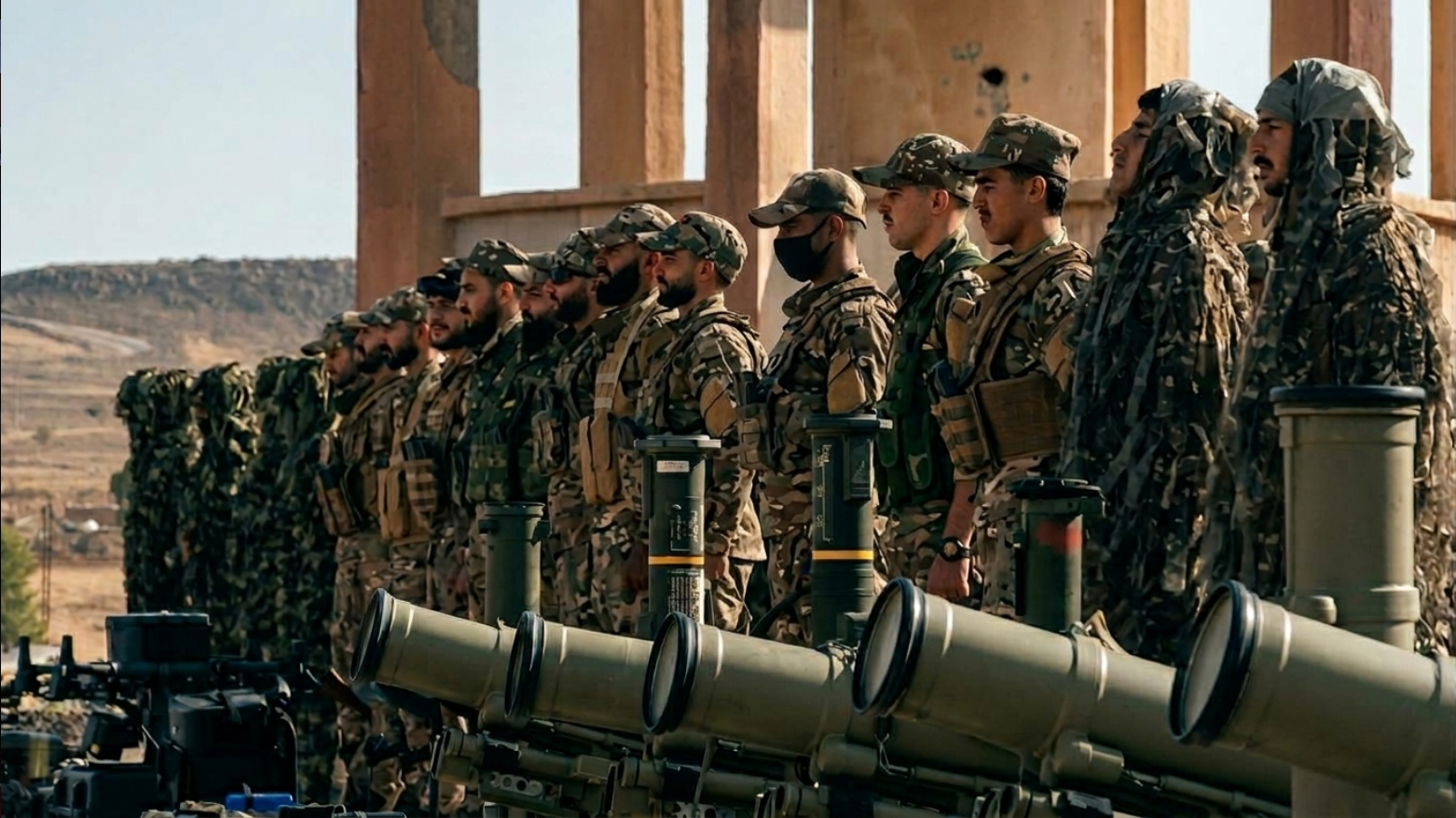
ERBIL (Kurdistan24) - A new phase of military integration has begun in Syria, with more than 5,000 Syrian Democratic Forces fighters incorporated into the Syrian army following specialized academic and military training, according to the supplied report.
The latest deployment involved fighters from the Second Corps, also known as Brigade 30, which comprises 1,300 fighters. The unit has been stationed at Mount Kawkab in the Hasakah countryside after completing training and academic preparation at military colleges.
The development is part of a broader restructuring of Syria’s military forces and the integration of SDF units into the Syrian army.
Forces in Hasakah province are organized into three brigades and distributed across three main positions: Mount Kawkab, Qasrak military base and Tal Baydar.
Qasrak and Tal Baydar previously served as two major bases for international Coalition forces in the area.
Another unit, known as the Kobani Brigade, is currently undergoing training in the Damascus countryside.
With the addition of these units, the total number of SDF fighters integrated into the Syrian army has reached 5,200, while the process of integrating other units remains ongoing.
Some of the fighters interviewed for the report said their military responsibilities have expanded after years of fighting against ISIS.
They said their previous duties were focused on protecting areas of western Kurdistan and northeastern Syria. Under the new phase, however, they will serve as part of the Syrian army and be responsible for defending the country’s borders and territory against potential attacks and threats.
SDC representative calls for Kurdish partnership in Syria
Meanwhile, Sinam Mohammed, the Washington representative of the Syrian Democratic Council (SDC), told Kurdistan24’s correspondent in Washington Issa Hassan, that following the integration of military forces into the Syrian army, autonomous administrative and service institutions will also be brought under the umbrella of state institutions.
She stressed that the Kurdish language and the national rights of Kurds must be formally guaranteed in Syria’s new constitution.
Mohammed said their office in Washington remains open and that meetings and work with the US State Department and Congress are continuing.
She said the aim is to convey the voices of all communities and protect their rights during Syria’s new political phase.
Regarding the future of the autonomous administration in western Kurdistan, Mohammed said the administration had governed the area de facto for nearly 14 years during the war.
She explained that following the integration of SDF forces into the Syrian army, most service institutions, including the health and administrative sectors, will be integrated into official Syrian state institutions.
At the same time, she said people who previously worked in those institutions would retain their administrative positions.
Mohammed emphasized the importance of constitutional rights for the Kurdish people, saying Kurds are a key component of Syria’s future and should be a genuine partner in the government and parliament.
“The most important thing for us is that Syria’s new constitution clearly guarantees the rights of the Kurds and all components,” she said.
Mohammed also highlighted the issue of the Kurdish language and warned against excluding the mother tongue from the education process.
“Our people have been educating their children in the Kurdish language for more than 10 years, even at the institute and university levels,” she said.
She said one of the main demands is for Kurdish to be recognized alongside Arabic as an official language in the constitution, with full guarantees for Kurdish cultural and linguistic rights.