KRG Allocates $687,000 Annually to Develop Erbil’s Archaeological Sector
The KRG's efforts have extended beyond Erbil, with permits granted to more than 50 foreign archaeological teams from Italy, France, Germany, the United Kingdom, the United States, and Poland.
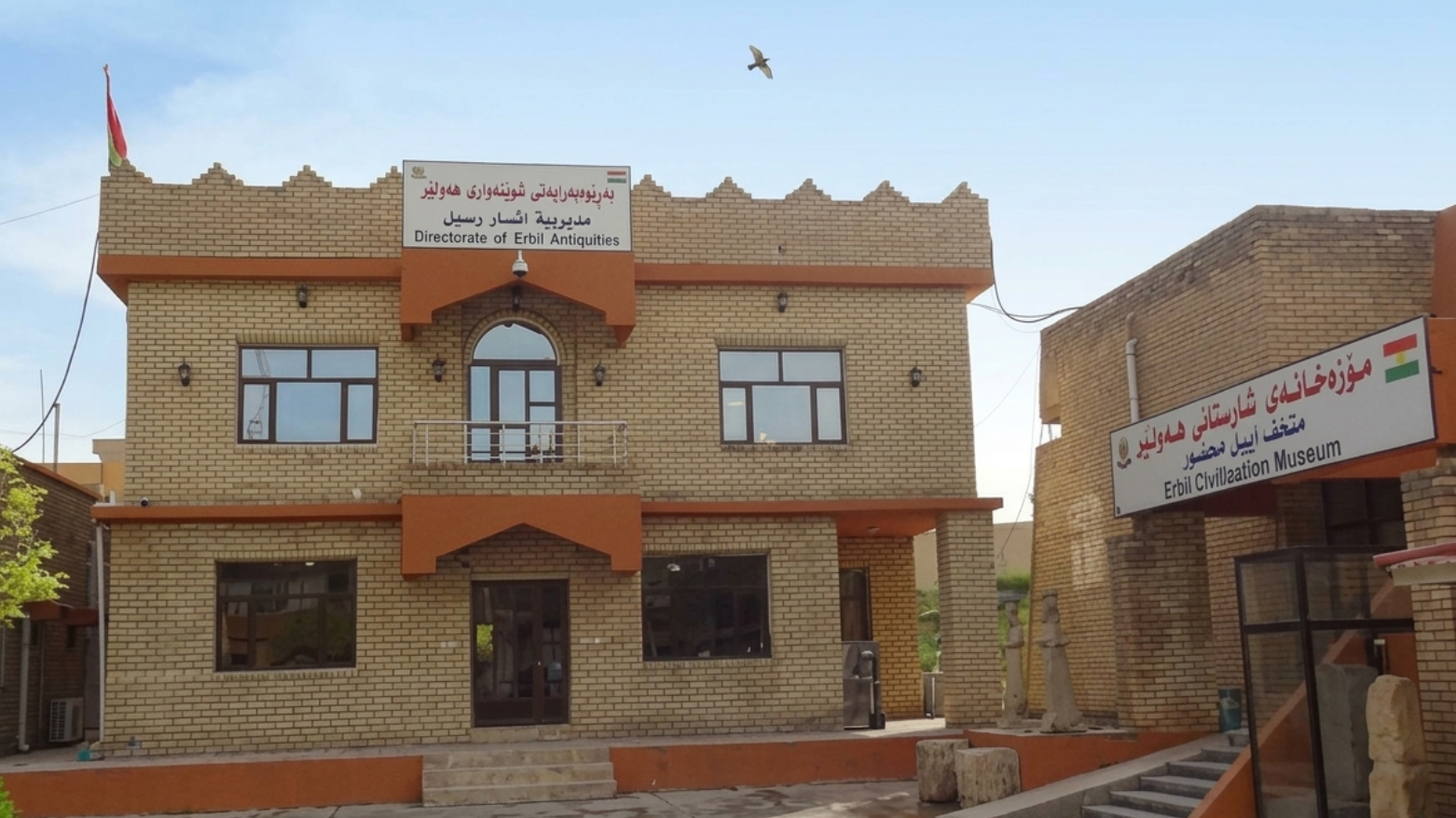
ERBIL (Kurdistan24) — The ninth cabinet of the Kurdistan Regional Government (KRG), led by Prime Minister Masrour Barzani, has prioritized the preservation of archaeological sites and cultural heritage, viewing the sector as essential to safeguarding national identity and promoting cultural tourism.
Nader Babakr, Director of Antiquities in Erbil, told Kurdistan24 on Sunday that the government has allocated an annual budget of 900 million Iraqi dinars ($687,000) specifically for the development and revitalization of Erbil’s archaeological sector.

Babakr said a significant part of the Erbil National Museum has been modernized, while a large, modern storage facility meeting international standards has been established to preserve and classify archaeological artifacts.
He added that more than 10 foreign archaeological teams are currently conducting surveys and excavations in Erbil.
At the recommendation of the Prime Minister’s Office, restoration and archaeological investigation work has also been carried out at the historic Dwin Castle, Babakr said.
He noted that archaeological assessments have accompanied major infrastructure projects across the governorate. A mass grave discovered in the Baghlo Manara area was scientifically preserved, while investigations were conducted at the Khazna and Sheikh Ahmad sites in Degala sub-district as part of the Greater Erbil Water Project, also known as Arab Kand, and the Erbil-Koya dual carriageway project.

Similar archaeological investigations were conducted at the Hazza site in cooperation with the Archaeology Department of Salahaddin University-Erbil.
Babakr said the directorate plans further excavations at Dere Castle in Pirmam, the Baghlo Manara area, and along the route of the 150-Meter Road.
Archaeological work across the Kurdistan Region
The KRG's efforts have extended beyond Erbil, with permits granted to more than 50 foreign archaeological teams from Italy, France, Germany, the United Kingdom, the United States, and Poland.
In Duhok Governorate, the Faida Archaeological Complex was opened in cooperation with Italy's University of Udine. The site, which features Assyrian-era rock reliefs, is described as the first open-air archaeological park of its kind in Iraq and the Kurdistan Region.
Excavations by the University of Cambridge at Shanidar Cave have also continued, producing new findings related to Neanderthals. Preservation work has meanwhile continued at the Bestan Sur site in Sulaimani and Paikuli Tower in the Garmiyan independent administration.

The government has also allocated funds to restore Erbil's Qaysari Bazaar and other historic markets following fires, while seeking to preserve their historical character.
Work has further progressed on implementing the Erbil Citadel master plan in cooperation with UNESCO, alongside restoration efforts at the gates of Amedi and Khanzad Castle.
Babakr said the ninth cabinet is seeking to move the archaeological sector toward a more scientific and internationally integrated phase by requiring archaeological assessments before road and dam projects and strengthening legal measures against the smuggling of antiquities.
He concluded by thanking the Minister of Municipalities and Tourism for continued support and cooperation in advancing archaeological and heritage projects across the Kurdistan Region.
