Elham Ahmad Alleges Foreign Role in Hasakah Tensions
Elham Ahmad told Kurdistan24 that foreign involvement and anti-Kurdish sentiment contributed to recent Hasakah tensions, while talks and security plans aim to prevent the unrest from spreading.
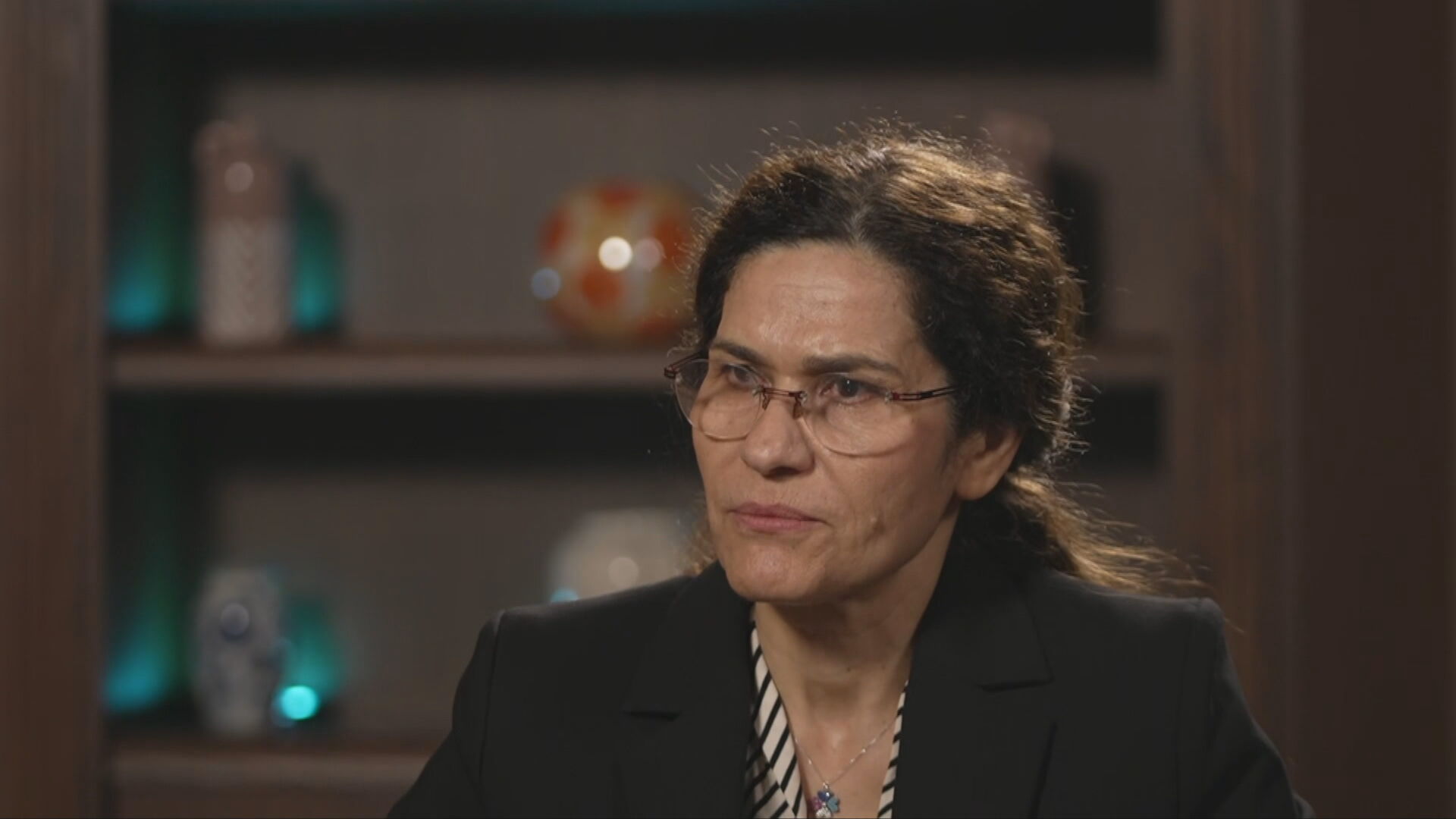
ERBIL (Kurdistan24) - Elham Ahmad, a member of the Syrian Parliament's Foreign Relations Committee, has accused unnamed regional powers of contributing to recent tensions in Hasakah, while saying negotiations with the Syrian government and security arrangements are aimed at preventing the unrest from spreading to other areas.
Speaking in an interview with Kurdistan24's Snur Alani on Monday, Ahmad said she believed the incidents in Hasakah involved both external interference and the persistence of anti-Kurdish attitudes associated with Syria's former Baath-era political culture.
Asked whether the unrest had been planned, Ahmad said: "Of course, there is foreign involvement."
She also pointed to what she described as a racist mentality inherited from the Baath period, saying some actors were attempting to revive it and intensify hostility toward Kurds.
Ahmad did not identify a specific government or organization as responsible.
When asked who was behind the developments, she said several regional powers did not want stability in Syria or did not want Kurds to secure their rights within the country's emerging political framework.
According to Ahmad, such actors can provide individuals or groups with platforms through which to promote those positions.
Her comments represent her political assessment of the events. The material available to Kurdistan24 does not independently establish that the unrest was coordinated by foreign powers or identify evidence linking a particular regional actor to the incidents.
The interview follows several days of tension in Hasakah involving Arab protesters, Kurdish residents and security forces.

Kurdistan24 correspondent Ekrem Saleh, reporting from the city, said the unrest began when Arab residents from the Ghweiran neighborhood and nearby villages moved toward central Hasakah and the Justice Palace carrying Syrian government flags.
During the demonstrations, Kurdish residents were attacked near the city's main roundabout and bus terminal, according to Saleh.
Some protesters also chanted anti-Kurdish slogans, damaged vehicles belonging to Kurdish residents and tore down a billboard displaying images of fallen members of the Internal Security Forces, known as Asayish.
The incidents prompted Kurdish youths from neighborhoods including Tel Hajar to mobilize, saying they were seeking to protect their communities and prevent further attacks.
Internal Security Forces subsequently deployed across the city, positioning personnel at intersections, public squares and entrances between neighborhoods.
Roads were also closed in an effort to prevent direct confrontations between Kurdish and Arab residents.
By the following day, the situation had largely calmed, although movement in the city remained reduced because of concerns that tensions could flare again.
Asked whether the unrest might spread to other areas, Ahmad said efforts were underway to prevent that outcome.
"We are trying to prevent that," she told Kurdistan24.
She said negotiations were taking place with the Syrian government and that security forces were already positioned between the two sides in affected areas.
"In this regard, in order to prevent such developments, there are negotiations and dialogue, and there are also plans in place," Ahmad said.
The recent unrest followed earlier tension around a Syrian flag-raising ceremony at Peace Square in central Hasakah.
Kurdistan24 previously reported that a multilingual sign was damaged, surveillance cameras were destroyed and members of the Internal Security Forces were assaulted during that incident. Anti-Kurdish slogans were also reportedly heard.
Security forces later intervened during demonstrations and fired into the air in an attempt to disperse crowds, with several civilians reportedly injured.
Hasakah's mixed Kurdish and Arab population makes efforts to prevent communal confrontation particularly sensitive.
The security forces have said their priority is preserving social peace and stopping the incidents from developing into wider internal conflict.
Ahmad's remarks suggest that political dialogue with Damascus is now proceeding alongside those security measures.
However, the supplied reporting does not include a response from representatives of the Arab protesters to allegations of foreign involvement, anti-Kurdish incitement or attacks on Kurdish residents.
For now, security forces remain positioned to keep the sides apart, while Ahmad says negotiations and preventive plans are intended to stop the Hasakah tensions from expanding elsewhere in Syria.