KRG Eyes New Industrial, Commercial Projects in Akre
Kurdistan Region Investment Board Chairman Mohammed Shukri says Akre and Bardarash will receive greater investment focus, with industrial, agricultural and commercial projects planned.
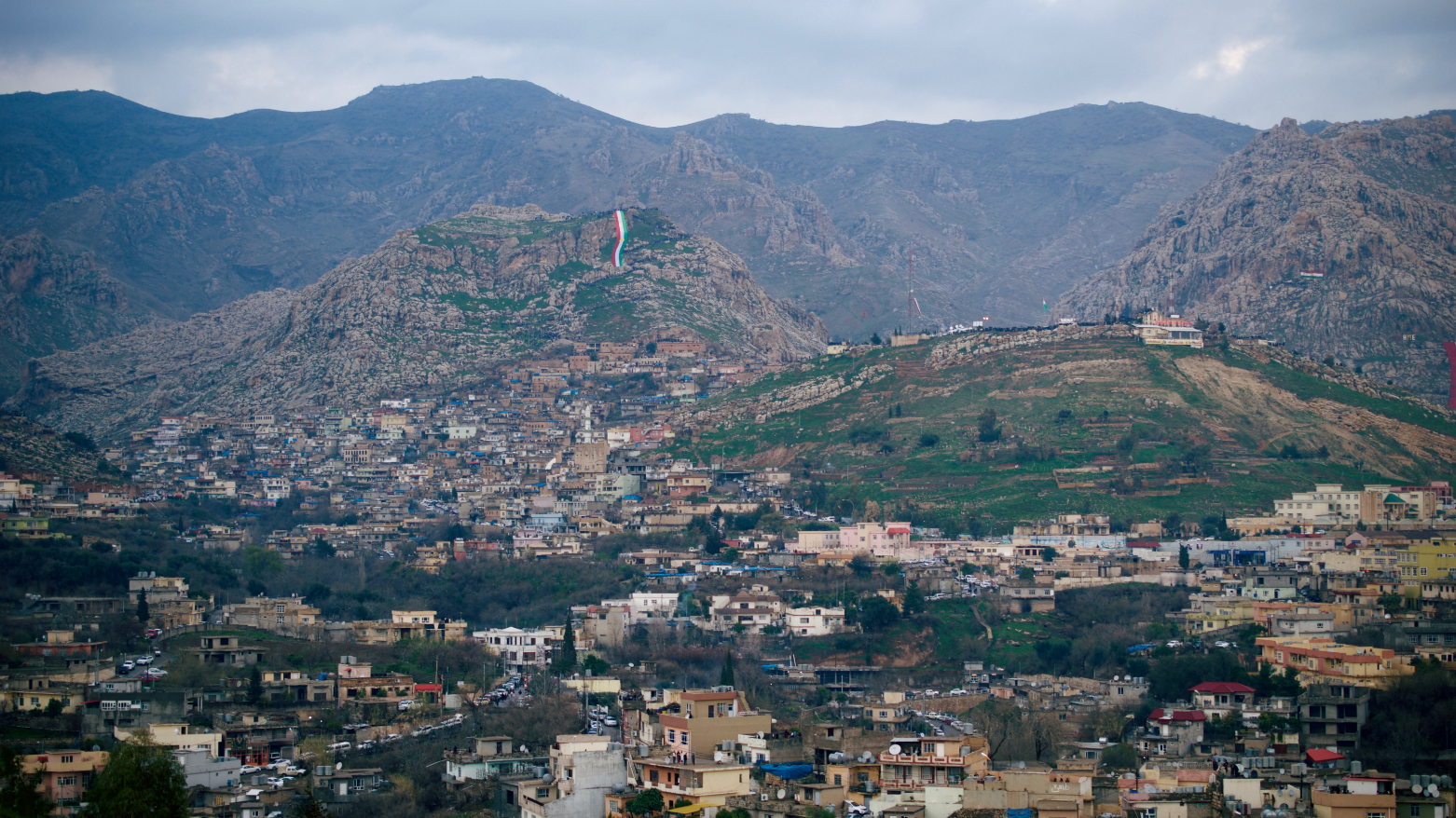
ERBIL (Kurdistan24) - The Kurdistan Regional Government plans to expand private-sector investment in Akre and Bardarash through new industrial, commercial, agricultural and livestock projects, Investment Board Chairman Mohammed Shukri said Tuesday, outlining a broader development program for the two areas.
Speaking during the inauguration of Ayinda Hospital in Akre on Oct. 13, Shukri said the new medical facility, established through investment by a group of physicians, represented an opportunity to further develop the health sector while demonstrating the potential for greater private investment in the area.
He said Prime Minister Masrour Barzani places particular importance on Akre and Bardarash as locations for future investment and commercial development.
As part of that policy, the Duhok General Directorate of Investment has been instructed to work on expanding private-sector projects in both areas.
"Akre and Bardarash are two important areas in Duhok province and will receive significant attention in the next phase, particularly in relation to private-sector projects," Shukri said.
The government also plans to establish a dedicated investment directorate in Akre, although Shukri said that initiative has not yet reached the implementation stage.
According to the Investment Board chairman, 23 investment projects are currently under implementation in Akre, providing a foundation for what officials intend to be a broader expansion in the coming period.
Future plans include establishing industrial zones in both Akre and Bardarash, developing additional commercial projects and bringing international brands into Akre.
Investment is also expected to expand into livestock and agriculture, along with infrastructure intended to support agricultural production.
Shukri said those initiatives form part of the program of Prime Minister Masrour Barzani and that both areas would receive greater attention as the government moves toward implementing its longer-term plans.
The inauguration of Ayinda Hospital illustrates one aspect of that strategy: encouraging private capital to participate in sectors that also provide essential public services.
Shukri described the hospital, built through investment by physicians, as a positive development for the health sector and an example of how private investment can contribute to local economic and service development.
The plans for Akre and Bardarash also fit within the KRG's wider effort to diversify the Kurdistan Region's economy and increase the role of non-oil sectors.
Under the Ninth Cabinet, the government has sought to attract domestic and foreign investment in agriculture, industry, tourism, infrastructure, trade and other areas.
A central component of that effort is Invest Kurdistan, launched in June 2023 under the Kurdistan Region's Board of Investment to promote investment opportunities and assist investors.
The broader investment framework includes incentives such as tax and customs exemptions, foreign ownership provisions and the ability to repatriate capital and profits.
Tourism, agriculture and industry have been among the sectors receiving particular attention.
In June 2026, the KRG announced 24 tourism investment opportunities across the Kurdistan Region, ranging from hotels and mountain resorts to recreational facilities, cable cars and eco-tourism developments.
Government figures cited in previous Kurdistan24 reporting showed that more than 80 strategic tourism projects, valued at approximately $7.5 billion, had entered implementation during the Ninth Cabinet, creating more than 20,000 employment opportunities.
The wider scale of investment in the Kurdistan Region has also grown substantially over previous years.
According to Invest Kurdistan figures, around $80 billion in investment was recorded between 2006 and 2025, including approximately $14 billion in foreign direct investment and joint ventures.
A separate KRG announcement in July identified 856 investment projects worth $25.298 billion across several sectors.
Industry accounted for $4.96 billion of those projects, trade for $1.9 billion and agriculture for $638 million.
Agriculture has increasingly become a priority within the diversification program.
Official KRG figures released in July said agriculture's share of total investment had risen from 1.8% to 12% during the Ninth Cabinet.
Government-supported agricultural infrastructure has included 30,000 greenhouses and 319 cold-storage facilities, alongside efforts to expand local production and agricultural exports.
Industrial development is another area relevant to the plans announced for Akre and Bardarash.
The KRG currently reports four operational industrial zones and plans for 13 additional special economic zones designed to encourage manufacturing, attract investment and reduce dependence on imported goods.
Shukri's announcement that industrial zones are planned for Akre and Bardarash would place the two areas within that broader industrial-development agenda.
At the same time, the proposed livestock, agricultural and commercial projects suggest that the government does not intend to rely on a single sector to drive investment there.
The plans remain at different stages of development. While 23 projects are already being implemented in Akre, the dedicated investment directorate has yet to enter the implementation phase, and Shukri did not provide specific timelines or investment values for the planned industrial zones and other future projects.
His remarks nevertheless indicate that Akre and Bardarash are expected to receive a more prominent place in the KRG's investment policy.
For the government, the objective is to use private-sector activity to develop local services, strengthen agriculture and industry, expand commercial opportunities and create a more diversified economic base.
The opening of Ayinda Hospital, Shukri said, represents one example of that direction, with larger investment initiatives expected to follow as the government moves into the next phase of its plans for Akre and Bardarash.