Shaqlawa Agriculture Details Almond Production and Market Prices
Shaqlawa Agriculture Director Ahmed Jamal says thousands of almond trees grow across the area, with output depending heavily on weather and market prices reaching 14,000 dinars per kilogram for shelled almonds.
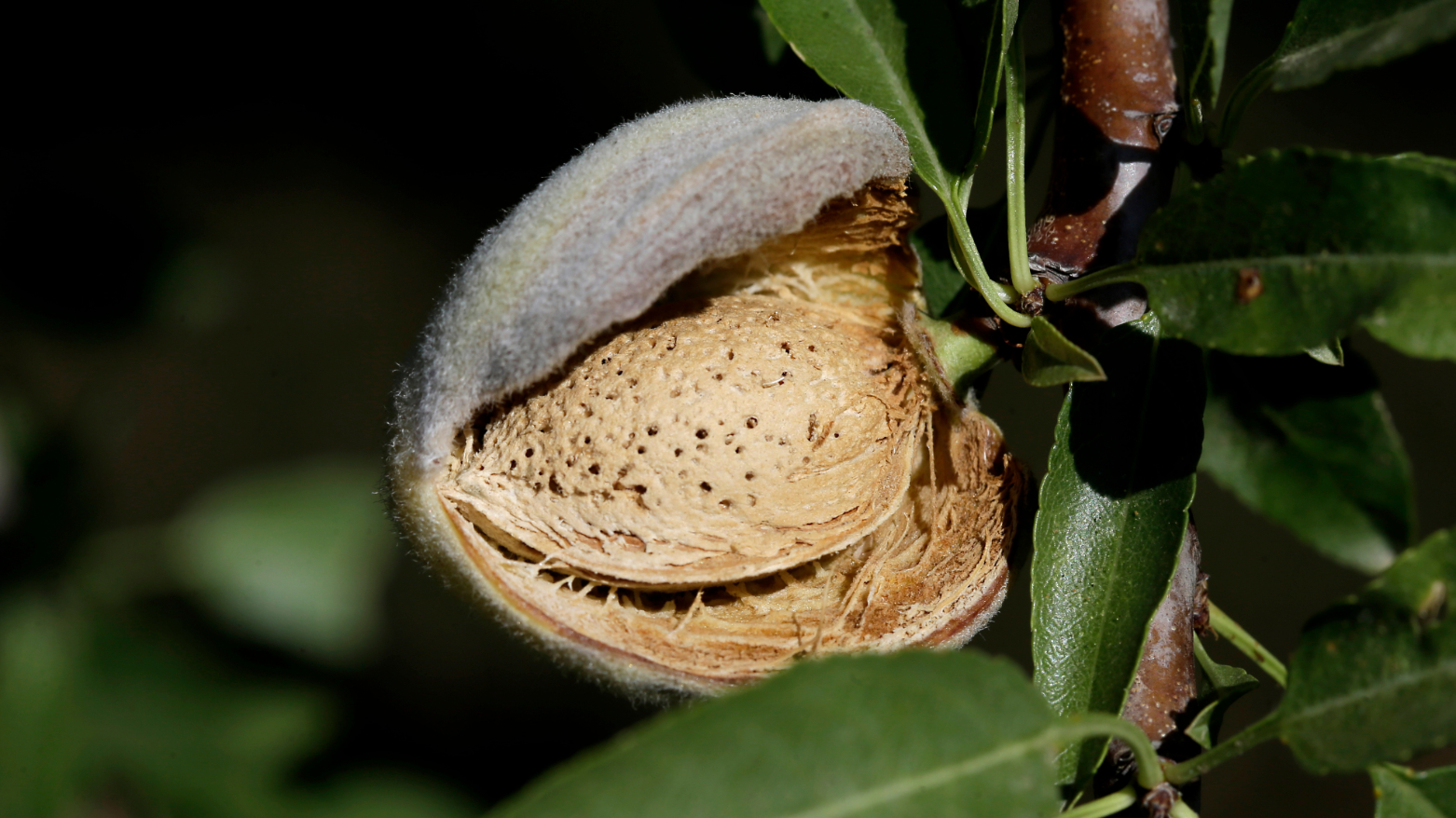
ERBIL (Kurdistan24) - Shaqlawa has thousands of naturally growing and cultivated almond trees, with annual production varying considerably according to weather conditions, Agriculture Director Ahmed Jamal told Kurdistan24 on Tuesday.
Speaking in an exclusive statement on Oct. 13, Jamal said almond trees, locally known as "bawi," are found in two main forms across the area.
One group consists of trees that grow naturally rather than being planted in organized orchards.
"In our area, almond trees are found in two forms," Jamal said. "One type grows naturally, with their number reaching approximately 2,500 trees and their annual production ranging between 3,000 and 4,000 tons."
He said farmers who benefit from those trees cover the associated costs themselves and are also responsible for marketing the harvest.
The production figures provided by Jamal state that the approximately 2,500 naturally growing trees produce between 3,000 and 4,000 tons annually.
The second category consists of trees planted in orchards.
"The other type consists of trees planted in orchards," Jamal said. "Their number is approximately 5,000 trees, producing between eight and 10 tons annually."
According to the Shaqlawa Agriculture Directorate, almond cultivation in the area has not developed into large-scale specialized farming.
Jamal said the trees are generally planted separately or mixed with other species, including qazwan, or wild pistachio.
He stressed that there are no large plots devoted entirely to almond production.
In particular, he said there is no 10-dunam area in Shaqlawa planted exclusively with almond trees.
Weather remains one of the main factors determining the size and quality of the harvest.
Jamal said production can fluctuate substantially from one year to another depending on temperature, rainfall and the timing of flowering.
He pointed to last year's crop as an example.
"Last year, because the almond blossoms opened early and were then followed by heavy rainfall, the crop was damaged," he said.
Almond trees require relatively favorable and warm conditions as the fruit develops, he added.
Cold temperatures and frost can cause significant damage, particularly when they occur after blossoms have appeared.
Jamal also outlined how almond prices change depending on the stage at which the crop is sold.
Fresh almonds harvested during spring, locally known as farik or chaqala, are sold for between 4,000 and 5,000 dinars per kilogram, he said.
Once the almonds are dried, prices fall to between 3,000 and 3,500 dinars per kilogram.
The highest price is for almonds that have been removed from their shells.
"One kilogram of shelled almonds is sold in the markets for 14,000 dinars," Jamal said.
His remarks show that almond production in Shaqlawa remains largely dispersed rather than concentrated in commercial plantations, with both naturally growing trees and mixed orchards contributing to the local crop.
At the same time, farmers remain exposed to weather-related risks that can sharply reduce production in unfavorable years.