Kurdistan Region Exports 2,000 MW of Electricity to Other Parts of Iraq
Speaking during a panel discussion at the MERI Forum, Ahmad highlighted the Kurdistan Region’s electricity generation capacity of 8,000 megawatts, saying the region provides 24-hour electricity while using only half of its capacity.
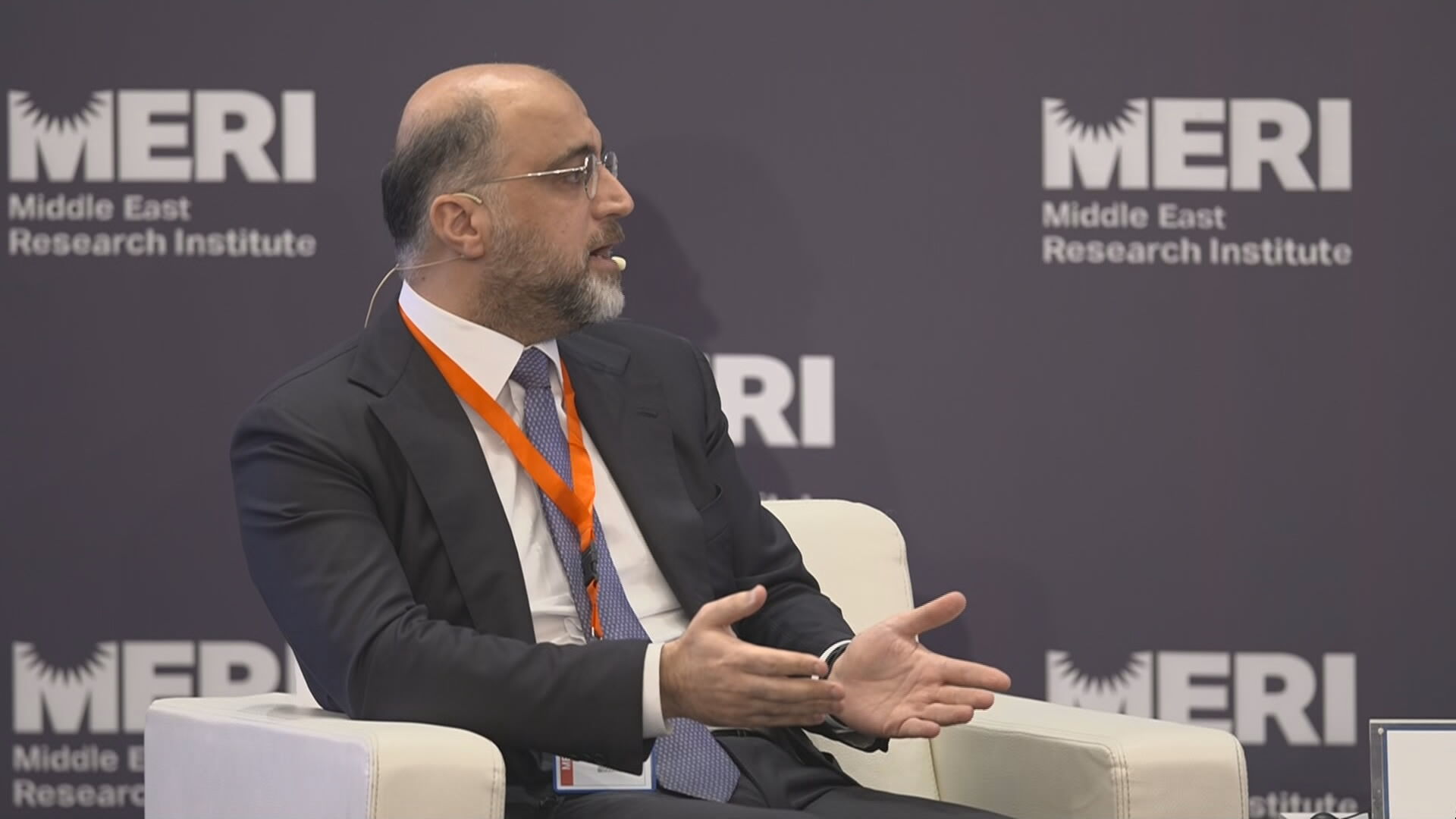
ERBIL (Kurdistan24) — Iraq has the capacity to generate 35,000 megawatts of electricity, enough to provide round-the-clock power, but has yet to fully utilize that potential, Aziz Ahmad, Deputy Chief of Staff to Kurdistan Region Prime Minister Masrour Barzani, said on Tuesday.
Speaking during a panel discussion at the MERI Forum, Ahmad highlighted the Kurdistan Region’s electricity generation capacity of 8,000 megawatts, saying the region provides 24-hour electricity while using only half of its capacity.
He added that the Kurdistan Region exports an additional 2,000 megawatts of electricity to other parts of Iraq.
Ahmad said Iraq could also achieve a 24-hour electricity supply with its existing generation capacity if the necessary measures were implemented.
He further noted that Prime Minister Masrour Barzani had repeatedly offered to assist the Iraqi federal government in achieving uninterrupted electricity supply across the country, but Baghdad had been reluctant to consider the proposals.
The Kurdistan Regional Government (KRG) launched Runaki project as a major initiative to provide affordable, uninterrupted electricity to homes and businesses across the Kurdistan Region by the end of 2026.
Introduced by Prime Minister Masrour Barzani, the project aims to transform the region’s electricity infrastructure, reduce dependence on neighborhood diesel generators, and lower electricity costs for residents and businesses.
The initiative has already expanded its coverage significantly, providing round-the-clock electricity to nearly 5.5 million people across the Kurdistan Region.
The KRG has presented Runaki as a model for improving electricity services, with the goal of ensuring a reliable power supply while gradually eliminating reliance on private neighborhood generators.