Purebred Kurdish Horse Festival Concludes in Saqqez
More than 100 purebred Kurdish horses and riders gathered in Saqqez for an annual festival promoting preservation, scientific breeding and equestrianism.
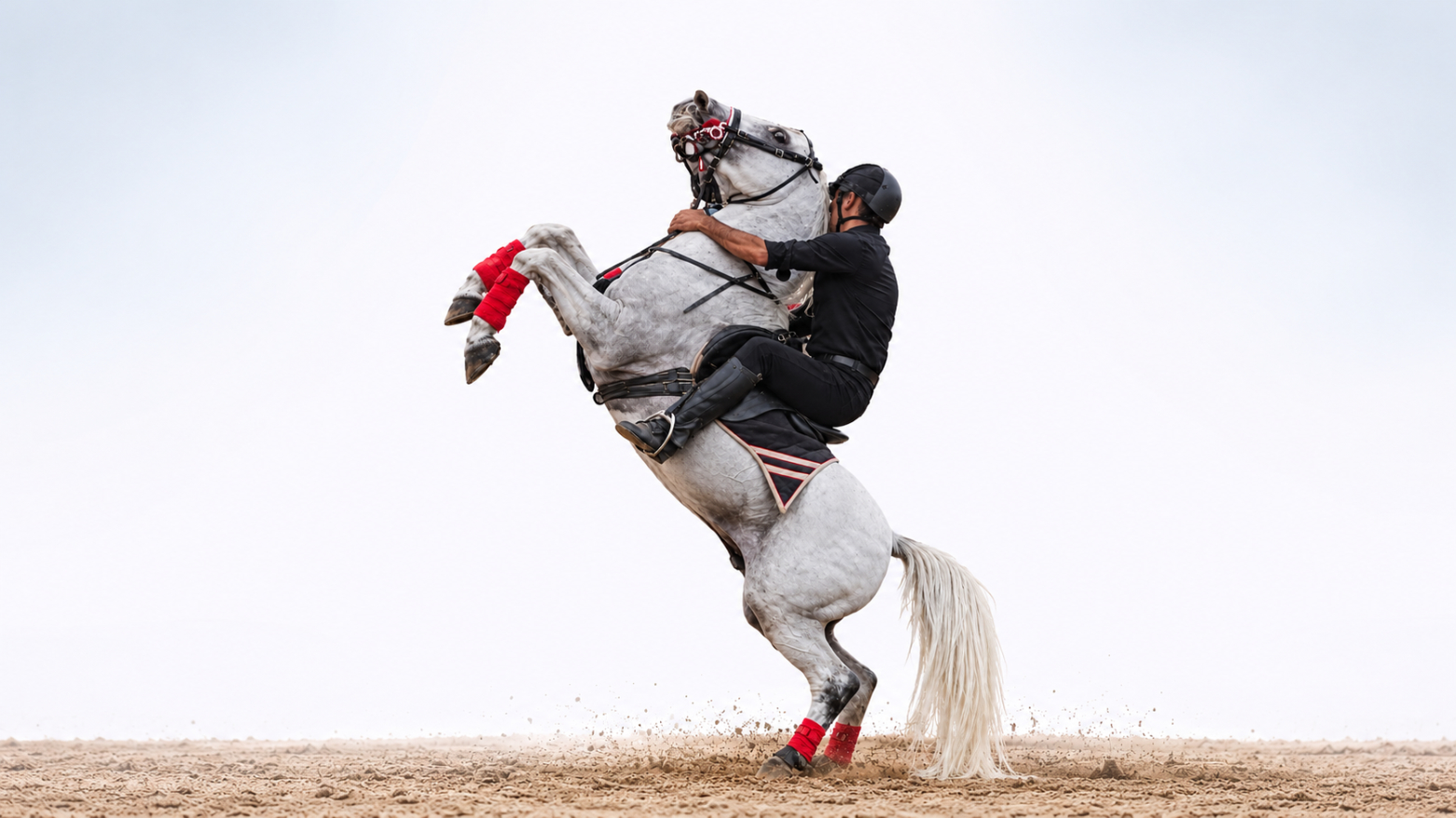
ERBIL (Kurdistan24) - More than 100 horses and riders from different parts of Kurdistan and other provinces of Iran gathered in Saqqez, Eastern Kurdistan (northwest of Iran), for the fourth annual purebred Kurdish horse festival, drawing around 2,000 spectators to the banks of the Saqqez River.
The event brought together riders, breeders, trainers and equestrian enthusiasts to showcase the physical qualities and abilities of the Kurdish horse while also promoting efforts to preserve the breed.
The festival was not limited to competition. Experts examined participating horses for purity and appearance, while training sessions focused on scientific methods for breeding, raising and caring for horses.
Shno Hosseini, an equestrian trainer, told Kurdistan24 that the first-place horse in the arena belonged to one of her students.
"People gave us a very warm welcome," Hosseini said. "I hope this activity continues in the coming years and that more people become interested in equestrianism."
The event was organized by the Saqqez Equestrian Board in coordination with activists and specialists working in the field.
Festival director Shapol Majidpour said regular events of this kind could play an important role in protecting the future of purebred Kurdish horses.
"I believe holding these festivals is very important in order to provide greater opportunities for purebred Kurdish horses," Majidpour said. "If these festivals continue, I am confident that the purebred Kurdish horse will never disappear."
Residents and participants also see the festival as a way to expand public interest in horse ownership and equestrian sports.
Hemin Azizi, a resident of Bukan, said such events had already contributed to preserving the breed and attracting new attention.
"Through these festivals, we have been able to preserve the purebred Kurdish horse," Azizi said. "We hope to attract people's attention to this field so that they buy horses and help develop the equestrian sector."
Organizers and participants hope greater participation in future competitions will strengthen both breeding and preservation efforts.
The purebred Kurdish horse is regarded as one of the oldest breeds associated with the Zagros region. It is known for a broad chest, medium height and strong hooves, physical characteristics that make it particularly suited to mountainous and rocky terrain.
Those qualities have helped the breed remain closely connected to the landscape and equestrian traditions of Kurdistan.
The Saqqez festival is also intended to provide breeders with a setting where horses can be assessed by specialists rather than evaluated only through racing performance.
For organizers, combining competition with scientific breeding knowledge is part of a longer-term effort to maintain the breed's characteristics and prevent its decline.
Participants ultimately hope that continued festivals and preservation efforts will contribute to the purebred Kurdish horse receiving formal international registration and recognition as a national heritage.
For now, the annual gathering in Saqqez continues to bring riders, breeders and spectators together around a shared goal: keeping the Kurdish horse visible, valued and preserved for future generations.