Lavrov Visits Iran as Russia Seeks to Mediate Middle East War
The Russian foreign minister is due to meet President Masoud Pezeshkian and his Iranian counterpart Abbas Araghchi as diplomatic efforts to ease tensions between Tehran and Washington remain stalled
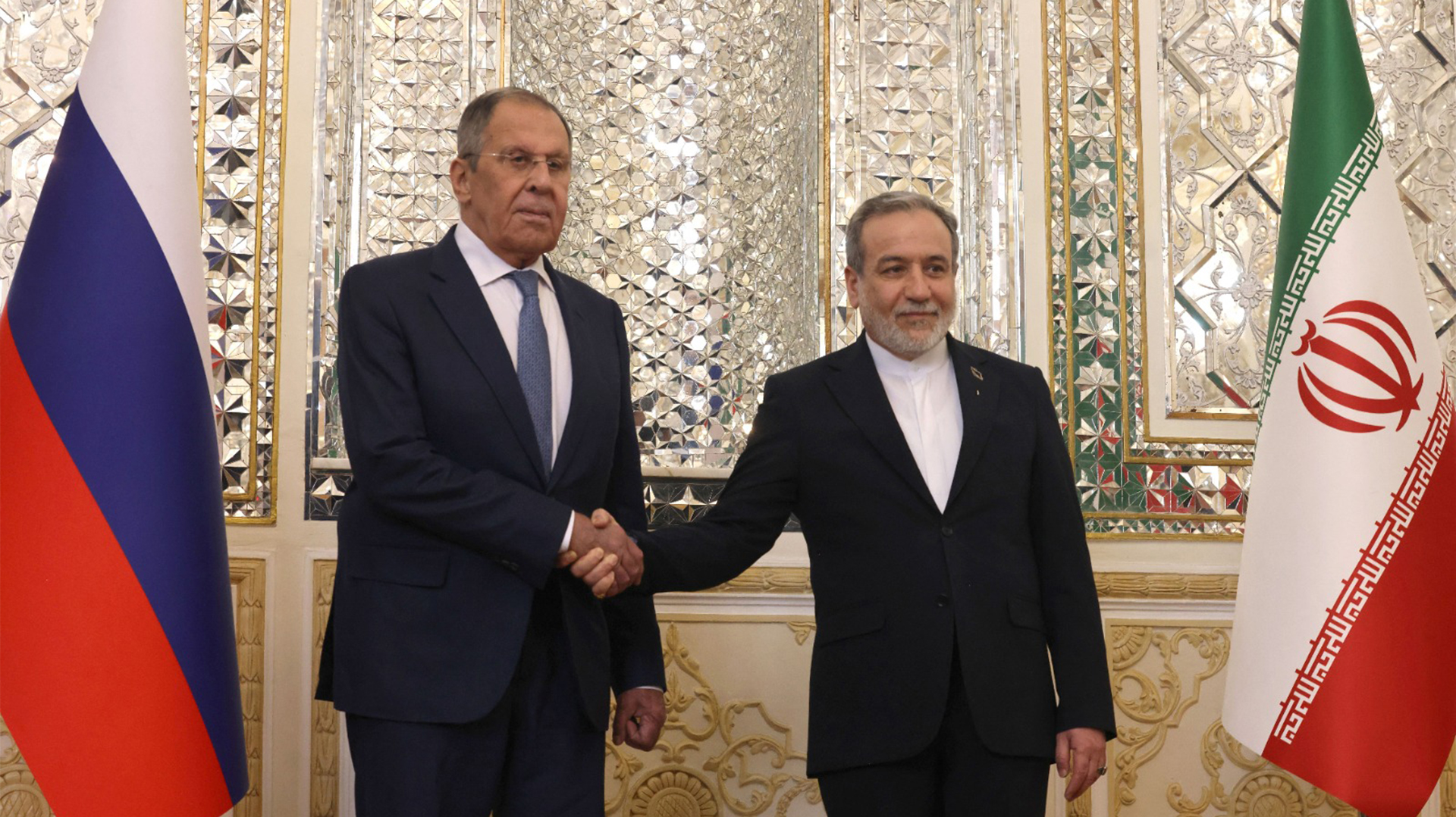
ERBIL (Kurdistan24) — Russian Foreign Minister Sergey Lavrov arrived in Iran on Monday for his first visit since the outbreak of the Middle East war, as Moscow seeks to advance mediation efforts amid stalled negotiations between Tehran and Washington.
Iranian Foreign Ministry spokesman Esmaeil Baqaei said on Sunday that Lavrov’s visit would focus on “regional and international developments.” According to Russia’s Foreign Ministry, the veteran diplomat is scheduled to meet Iranian President Masoud Pezeshkian and hold talks with Foreign Minister Abbas Araghchi.
Lavrov has said Moscow’s diplomatic efforts are “aimed at preventing the return of a large-scale war,” as tensions continue despite previous ceasefire arrangements and attempts to establish a framework for negotiations between Iran and the United States.
The visit follows a conversation in early October between Russian President Vladimir Putin and Pezeshkian, during which Putin said Moscow was prepared to contribute to mediation efforts aimed at reducing regional tensions.
Russia’s Foreign Ministry said the talks were expected to address “ways to resolve the acute international crisis triggered by the unlawful aggression of the US and Israel against Iran.” It described the conflict as a major blow to stability and security in the Middle East and beyond.
Russia and Iran Deepen Strategic Cooperation
Moscow and Tehran have maintained close political, military and economic ties, with their cooperation expanding following Russia’s full-scale invasion of Ukraine in February 2022 and the subsequent imposition of extensive Western sanctions on both countries.
The partnership has included military cooperation, economic arrangements and coordination on regional issues. Western governments have repeatedly raised concerns about aspects of the relationship, particularly military assistance and its implications for European and Middle Eastern security.
For Moscow, engagement with Tehran also provides an opportunity to strengthen its diplomatic role in the Middle East, where Russia has long sought to maintain influence through relationships with regional governments and its involvement in regional conflicts.
However, Russia’s ability to mediate between Iran and Washington faces significant challenges, given its close partnership with Tehran and its own confrontation with Western governments.
Strait of Hormuz Remains a Flashpoint
Lavrov’s visit comes as hostilities continue around the Strait of Hormuz, a strategic maritime corridor through which roughly one-fifth of global oil and other hydrocarbon flows normally pass.
The conflict began in February with US-Israeli strikes on Iran. Although a ceasefire was reached in April and a memorandum of understanding between Washington and Tehran followed in June, tensions have persisted around the waterway.
Iran claims control over the strategic strait and has targeted vessels attempting to cross without its authorization. Washington, meanwhile, has maintained a naval counter-blockade targeting Iranian ports, adding to concerns over maritime security and disruptions to global energy supplies.
The confrontation has raised the risk of further escalation while threatening international shipping, energy markets and supply chains dependent on uninterrupted passage through the Gulf.
Against this backdrop, Moscow is seeking to position itself as a potential intermediary at a time when diplomatic efforts to bridge differences between Iran and the United States remain stalled. Whether Lavrov’s meetings can produce tangible progress toward renewed negotiations remains uncertain.