Kurdistan Foundation Launches Major Biodiversity Database
The Kurdistan Foundation has launched a biodiversity project documenting 2,252 plant and animal species and 19 ecological hotspots across the Kurdistan Region.
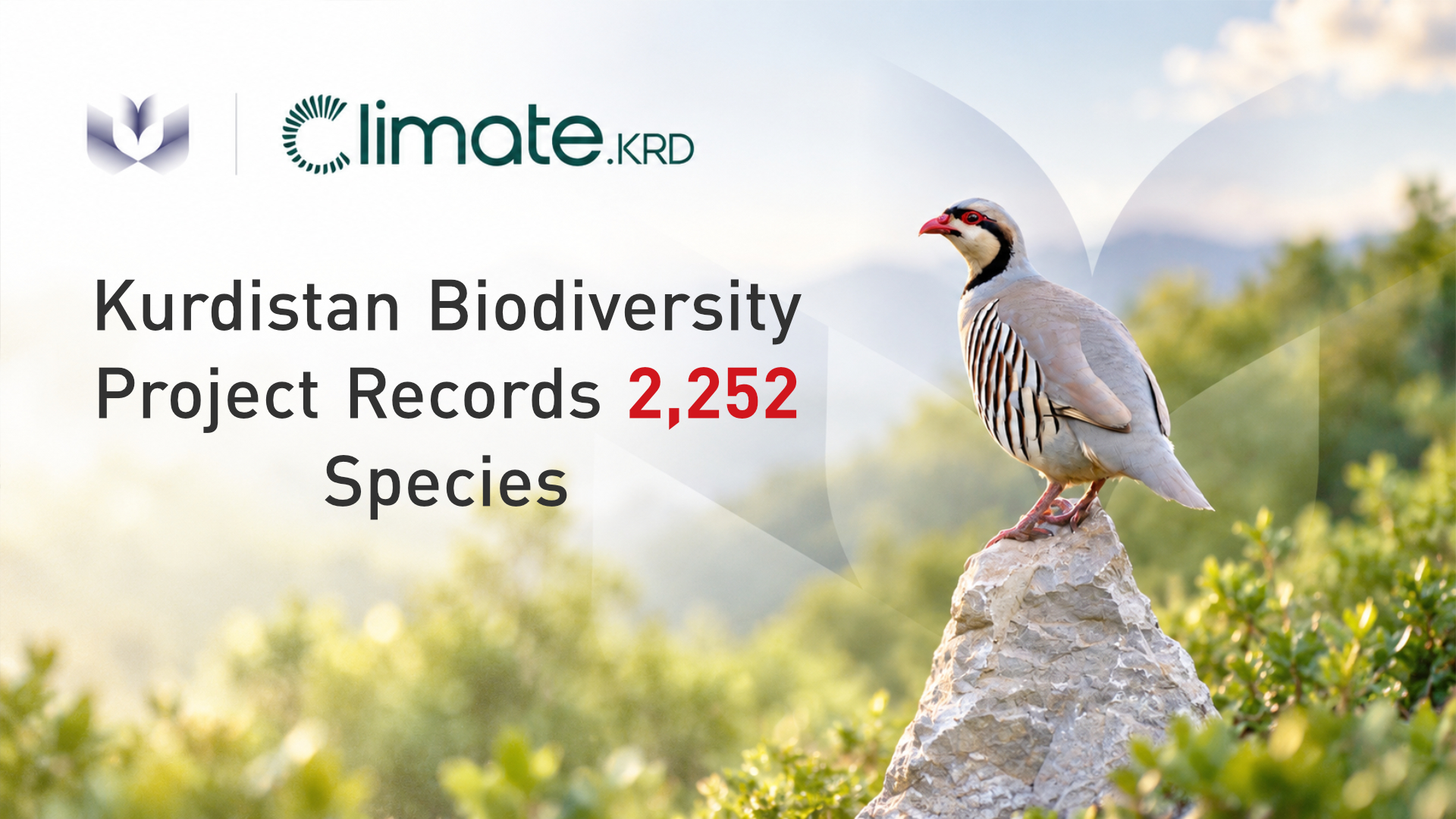
ERBIL (Kurdistan24) - The Kurdistan Foundation has launched a major biodiversity initiative documenting more than 2,250 plant and animal species across the Kurdistan Region, creating a centralized scientific database intended to support research, conservation, tourism and environmental protection.
The Kurdistan Biodiversity Project has so far recorded 2,252 species, including 1,408 plant species and 844 animal species, according to figures released by the project.
The animal records include 310 bird species, 60 mammals, 63 reptiles, 48 fish, nine amphibians and 354 butterfly species.
Field surveys conducted as part of the initiative have also identified 19 biodiversity hotspots across the Kurdistan Region.
The data is being made available through biodiversity.krd, which the Kurdistan Foundation describes as a central information and mapping platform bringing together scientific records, photographs and research on the Region's natural environment.

The project is designed as a long-term scientific resource rather than a one-time survey.
Its work includes field research on birds, mammals, butterflies and ecosystems, maintaining visual and scientific archives, mapping species using satellite imagery and monitoring changes in their geographic distribution over time.
Researchers are also developing what the project calls a "biodiversity passport" for individual species, recording information including type, appearance, habitat and conservation status.
Eight scientists, researchers and wildlife specialists from different parts of the Kurdistan Region are currently contributing to the project.
They include wildlife and bird researcher Dr. Korsh Ararat; veterinarian Dr. Sulaiman Tamr; assistant lecturer Ibrahim Ziad; wildlife photographers Mohammed Dler and Rawezh Osman; photographer and wildlife expert Saber Dri; and wildlife researchers Soma L. Majeed and Soran H. Ahmed.

Their work brings together expertise from Erbil, Sulaimani and Duhok and combines field observations with scientific sources and photographic documentation.
The Kurdistan Foundation says the information is reviewed before being entered into the database, with the aim of providing a reliable reference for scientists, students, researchers and people interested in the Region's natural environment.
The project also has a public-awareness role.
By making species data available through a single platform, organizers say they hope to increase understanding of Kurdistan's wildlife and plant life while providing information that can be used in environmental education and conservation planning.
The database is also intended to support tourism and ecotourism by identifying natural areas and species of interest while giving researchers and authorities a clearer picture of the Region's biodiversity.
Among the next steps is the wider launch of Climate.KRD, an environmental platform under which the biodiversity initiative will sit alongside other Kurdistan Foundation projects.
Climate.KRD is expected to bring environmental and biodiversity information together in one place for citizens, researchers and international institutions.

The project's media plan also includes the presentation of a new scientific publication titled "Mammals of the Kurdistan Region," prepared from verified research with support from the Kurdistan Foundation.
The book is intended to complement the digital database by providing a dedicated scientific reference on mammal species found across the Region.
Project organizers say the broader objective is for the biodiversity platform to become a recognized scientific reference for the Kurdistan Region's natural heritage.
The data could eventually serve as a baseline for wildlife-protection legislation, conservation programs, academic studies and decisions concerning ecotourism and natural-resource management.
The project is also expected to continue expanding as researchers collect new field data and update existing records.

Citizen science, monitoring and conservation tools are among the methods organizers plan to use to improve the database over time.
For now, the initial figures provide one of the most comprehensive consolidated pictures yet presented of the Kurdistan Region's biodiversity: thousands of plant and animal species spread across identified ecological hotspots and documented through an expanding network of researchers.
The Kurdistan Foundation says the purpose is to ensure that this information is no longer scattered across separate studies and archives, but available through a shared scientific platform that can be used both inside the Kurdistan Region and internationally.
