Türkiye Prepares Troop Deployment to Saudi Arabia Under Pact
Türkiye is preparing to deploy military personnel to Saudi Arabia under the Mecca Joint Defense Agreement, pending parliamentary approval.
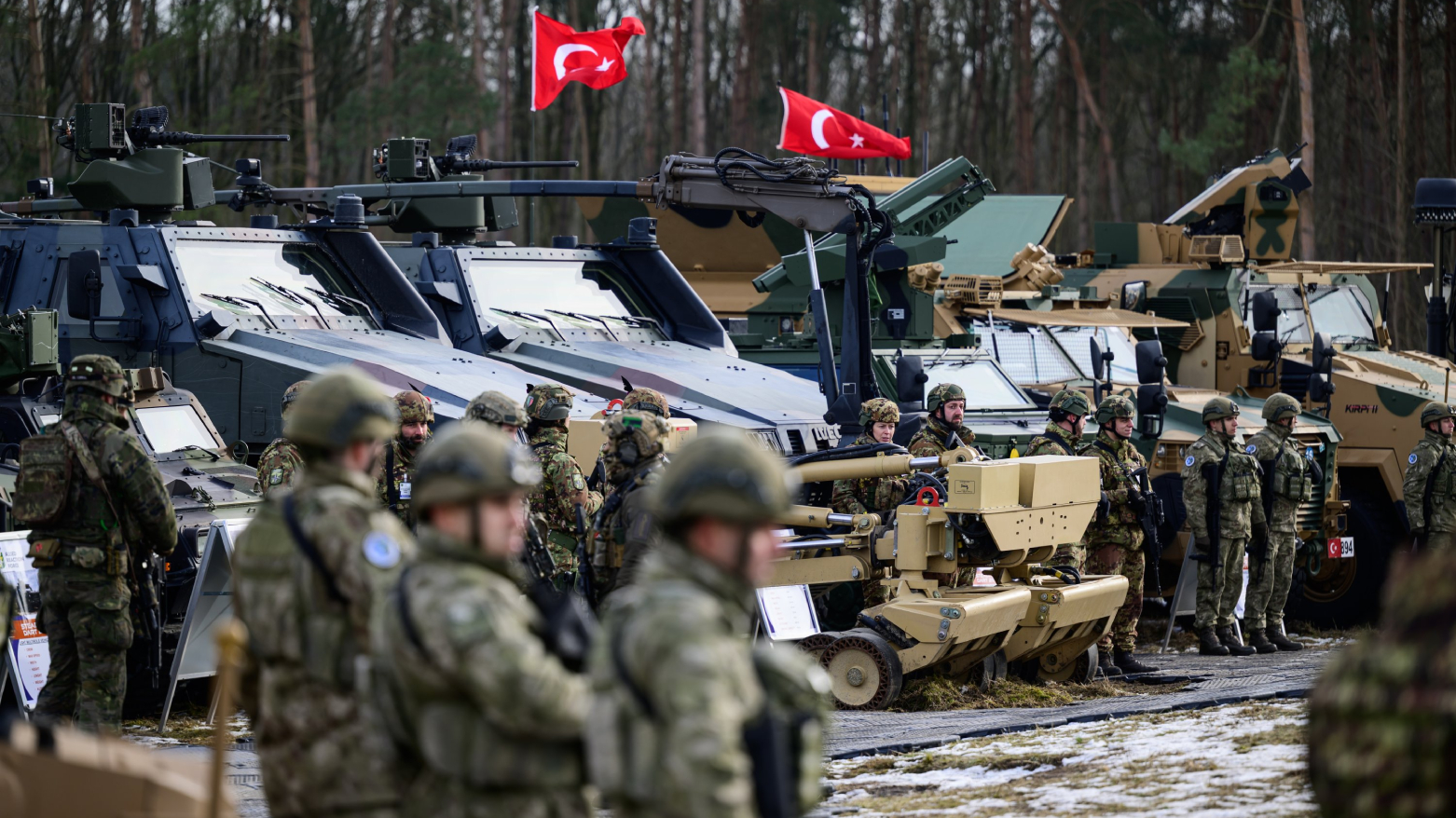
ERBIL (Kurdistan24) - Türkiye is preparing to deploy military personnel to Saudi Arabia under a new joint defense pact it signed with the kingdom and Pakistan, and the government will send a deployment mandate to the Turkish parliament once lawmakers ratify the agreement, Reuters reported.
Ankara has already submitted the pact, known as the Mecca Joint Defense Agreement, to parliament. Speaker Numan Kurtulmus is expected to refer it to the foreign affairs commission for debate as soon as this week.
The two-step process follows the Turkish constitution, which requires separate parliamentary approval for any deployment of troops abroad even after an international treaty has been ratified.
The Turkish Defense Ministry made the same point at its weekly briefing on Oct. 15. It said any deployment of forces or military capabilities to Saudi Arabia must go through parliament, and that the size of Türkiye’s contribution would depend on Saudi requests, conditions on the ground, and agreement between Ankara and Riyadh.
Türkiye, Saudi Arabia, and Pakistan signed the pact in Mecca on Aug. 7. President Recep Tayyip Erdogan, Crown Prince Mohammed bin Salman, and Pakistani Prime Minister Shehbaz Sharif agreed that an armed attack on one member will be treated as an attack on all three.
The agreement commits the members to provide immediate assistance to any partner facing aggression, in language that mirrors NATO’s Article 5, while leaving each country to decide the scope of its support. It also covers intelligence sharing, logistics, and defense industry cooperation.
The three governments agreed at an emergency meeting in Riyadh earlier in October to ensure the rapid deployment of forces and capabilities to Saudi Arabia, which has come under a widening campaign of Houthi missile and drone attacks from Yemen.
The deadliest strike, on Riyadh’s King Khalid International Airport on Oct. 10, killed at least 12 people and wounded more than 300. The Houthis have also targeted oil facilities and claimed to have shot down a Saudi F-15 in September, a claim Riyadh has not confirmed.
Türkiye already has technical teams, air defense systems, and electronic warfare equipment in Saudi Arabia, deployed last year under a 2010 military training agreement to help protect energy infrastructure.
Turkish officials told Middle East Eye earlier in October that Ankara plans to add more personnel, technicians, and emergency response teams with accompanying combat forces, as well as pilots, aircraft, and a limited number of special forces once parliament grants approval.
The officials stressed that Türkiye does not plan to send large numbers of soldiers or to intervene directly in Yemen.
Foreign Minister Hakan Fidan has said the pact is not an offensive agreement and that Türkiye will not send troops to attack another country’s territory.
Another Turkish official told Reuters that Ankara’s contribution so far has been limited to military equipment, intelligence sharing, and weapons systems. Türkiye has also agreed to join a Saudi-led coalition for shipping security in the Red Sea.
Turkish forces would join a growing number of foreign militaries helping defend the kingdom. Pakistan sent fighter jets and support aircraft to King Abdulaziz Air Base in April, and Britain announced on Oct. 20 that Royal Air Force Typhoons will fly defensive patrols over Saudi Arabia.
Neither the size of the Turkish deployment nor its timing will be set until parliament votes on both the treaty and the separate troop mandate.
Separately, Türkiye, Qatar, Pakistan, and Indonesia signed an agreement on Wednesday aimed at boosting defense cooperation and strengthening defensive capabilities, the Turkish Defense Ministry said.
In a statement, the ministry said the accord, signed in Doha, would also support military exercises and training and cooperation on research and development. It added that the accord would contribute to joint efforts to improve the countries’ respective defense industries.