Study: Nearly 5,000 Kurdish Folk Songs Stolen and Turkified
Kurdish musicologist Weysi Varli, 68, has spent 38 years documenting the appropriation, examining more than 28,000 Kurdish songs to identify which were taken, having previously performed with legendary Kurdish artists Dilgash and Brader and the Koma Dengi Şoreş ensemble
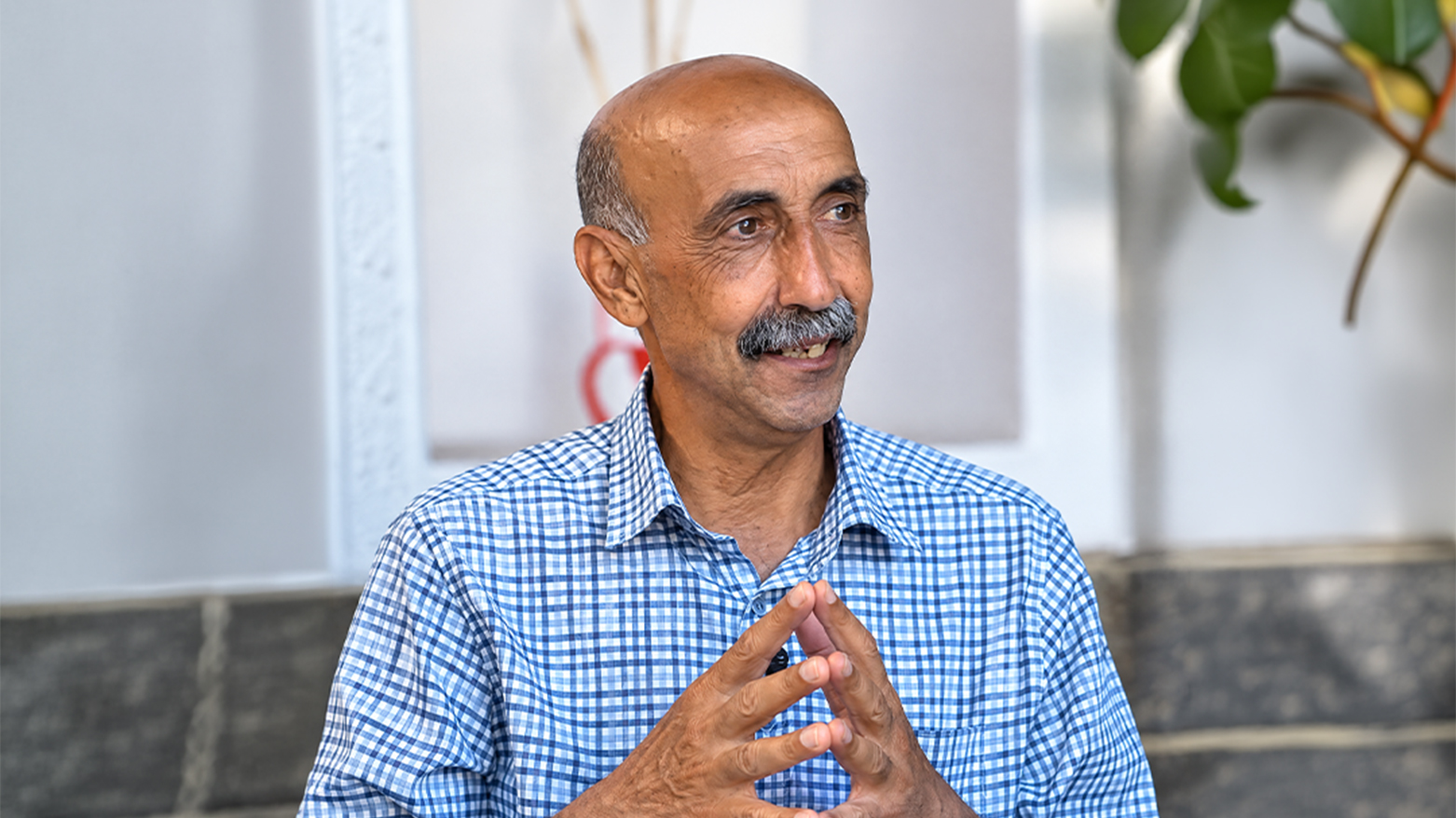
ERBIL (Kurdistan 24) - A comprehensive musicological study has found that 4,971 original Kurdish folk songs have been illegally and without authorization converted into Turkish works and presented as Turkish productions, in what the researcher describes as artistic theft enabled by decades of historical suppression of the Kurdish language and culture.
The study was conducted by Kurdish researcher and musicologist Weysi Varli, who examined and compared more than 28,000 Kurdish songs in detail. The findings revealed that 4,971 of those songs had been improperly and without authorization altered, with their melodies and texts converted into Turkish, constituting what the study classifies as artistic theft.
The Historical Context
Varli links the scale of the appropriation directly to the historical suppression of the Kurdish language and culture. "Because of the historical pressure, oppression, and prohibition imposed on the Kurdish language and culture, Kurdish artistic works fell victim to plunder like a looted house," he said, adding that this caused the rich Kurdish artistic and cultural heritage to face a form of cultural racism of that kind.
The study emphasizes that despite all efforts at theft, plunder, and distortion of original texts and melodies, Kurdish music has managed to survive as a living tradition and has stood as a strong fortress protecting the art, culture, and identity of the Kurdish people.
The Researcher
Weysi Varli is 68 years old and has been continuously conducting this research since 1988, dedicating nearly four decades to documenting Kurdish songs that have been converted into Turkish. Before turning to musicology, Varli worked as a musician between 1972 and 1988, performing alongside legendary Kurdish artists Dilgash and Brader and within the Koma Dengi Şoreş ensemble. He subsequently left performing and dedicated his life as a musicology specialist to documenting and providing evidence for the appropriation of Kurdish musical heritage.
The scale of the study, covering more than 28,000 songs examined over 38 years of continuous research, makes it one of the most comprehensive academic efforts to document the systematic appropriation of Kurdish musical heritage and provides a detailed evidentiary record of the 4,971 cases of unauthorized conversion identified.