Treasury Says Iran’s Economy Is Crippled
The report does not claim the Iranian government is close to collapse, but says the rial has lost about a quarter of its value since August, inflation has reached 90%, and no oil has been loaded onto tankers since 8/25
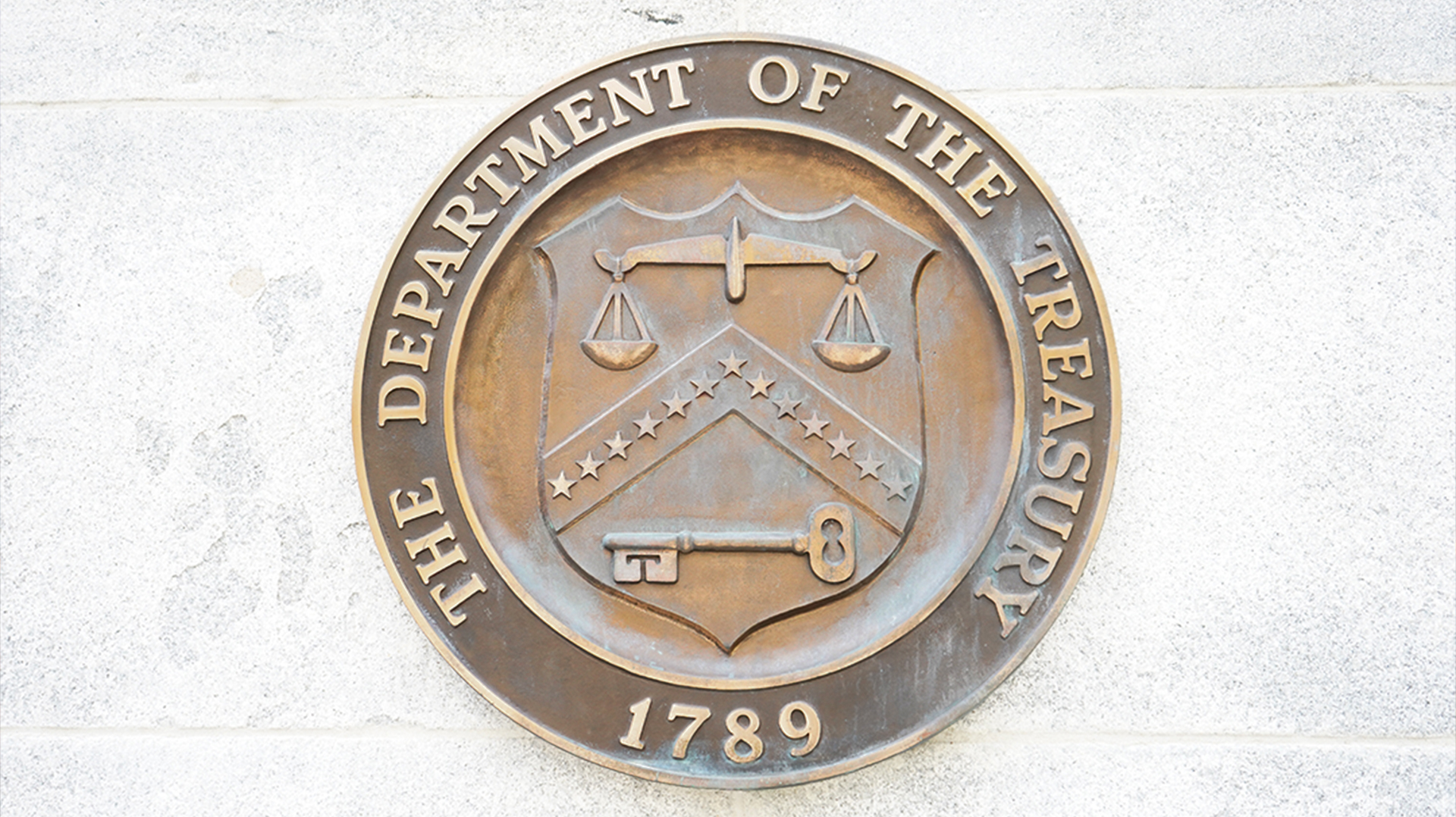
ERBIL (Kurdistan 24) - The US naval blockade, sweeping sanctions and obstruction of Iran's overland export routes have crippled the Iranian economy and limited the government's ability to generate revenue, according to a new Treasury Department report obtained by Axios, as President Donald Trump weighs whether to let economic pressure run its course or return to major combat after the midterm elections.
The report does not argue that the Iranian government is close to collapsing. Treasury Secretary Scott Bessent, who leads the campaign dubbed Operation Economic Outcast, is one of Trump's closest aides urging him to let the initiative play out rather than rush back into combat. The campaign, which launched in late August, aims to cut Tehran's ability to fund the Houthis, Hamas and Hezbollah. Tehran is reportedly struggling to move money, and the IRGC is reportedly failing to pay its own troops. US officials say the campaign needs more time to destabilize the government and potentially convince the Iranian leadership to make concessions at the negotiating table.
The report's figures show the scale of the strain. The Iranian rial has lost roughly a quarter of its value since the operation began, and in October the unofficial exchange rate reached a record low of 2.687 million rials to the dollar. The report argues the decline is eroding purchasing power and making it increasingly costly for the government to access goods and services abroad. Annual inflation reached 90% in September, compared with roughly 35% in early 2025. Iran has not loaded any oil onto tankers since 8/25 because of the blockade and sanctions, the report says, and has sold off its remaining oil stranded at sea, according to Kpler, which tracks maritime trade.
The pressure reaches well beyond oil. The report details how Washington is seeking to cut Iran off from international trade routes, commercial aviation, banking networks and even digital currency alternatives. Iran's effort to reroute trade overland around the blockade faces major bottlenecks at its borders with Pakistan, Türkiye, Afghanistan and Turkmenistan. Thousands of trucks are reportedly stranded at the Turkish border facing delays of up to 20 days, while hundreds more are waiting at the Pakistani border. The UAE, Oman, Iraq, Georgia and Azerbaijan have barred Iranian airlines and canceled flights to Iran, and Türkiye has suspended all Mahan Air flights. Iranian banks have faced further restrictions in Türkiye, Lebanon and the UAE, while Treasury is targeting cryptocurrency exchanges used to evade sanctions.
On 10/29, Trump met his top national security and foreign policy aides to discuss the war. US Central Command chief Adm. Brad Cooper briefed him on the naval blockade, and Bessent briefed him on the economic pressure campaign. A US official said Bessent is telling the president the campaign is working, that conditions in Iran are getting worse, and that this could further destabilize the government and push the Supreme Leader to agree to a deal.
As he did before Operation Midnight Hammer in 6/2025 and Operation Epic Fury in 2/2026, Trump is pursuing dual tracks: trying to reach a deal to restart peace talks while preparing to possibly resume major combat operations after the midterms. The Treasury campaign is a third track, and how much more time Washington gives it is a decision that awaits Trump once the votes are counted.