Iran Says No Plans to Meet US Officials
Iran's foreign minister says the Vance letter was reviewed at high-level meetings and no meeting with American officials is planned, while a delegation talks to Qatari mediators in Doha, and reports of direct talks remain unconfirmed
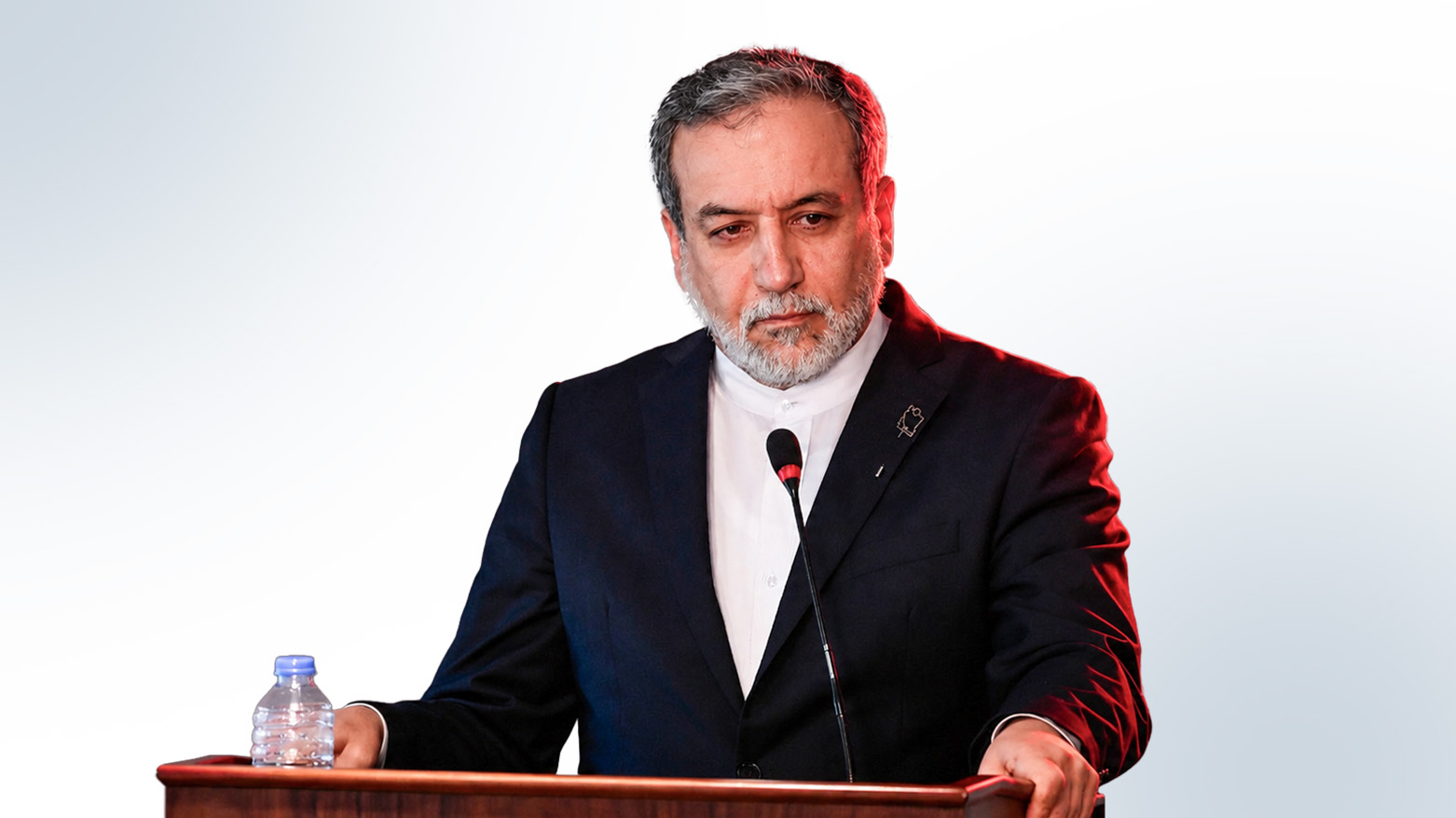
ERBIL (Kurdistan 24) - Iranian Foreign Minister Abbas Araghchi said on Saturday that Tehran has carefully examined a letter from US Vice President JD Vance and debated it in high-level meetings, but that no meeting with American officials is planned. The statement comes three days before the US midterm elections and as Washington weighs a possible new round of strikes on Iran.
"We carefully examined Vance's letter and held discussions and exchanges of views about it in high-level meetings," Araghchi said. He called the American effort to open the doors of dialogue more widely a positive step, then added a warning: if Washington's aim in sending the message was to create discord, it would be a new mistake added to its earlier ones. He dismissed talk of an imminent meeting as media speculation. "At present we see no need to meet the Americans. Our conditions are clear, and the mediators are continuing their consultations," he said. He added that Iran will decide whether negotiations are direct or indirect only after Washington agrees to its conditions.
The letter at the center of the statement was first reported by the Wall Street Journal on Wednesday. According to the Journal, Vance sent it to Mohsen Rezaei, secretary of Iran's Supreme National Security Council, at President Donald Trump's direction. The letter and the contacts that followed focused on a possible framework for resuming negotiations rather than specific terms for a settlement. The New York Times, as relayed by Al Jazeera, reported that the letter proposed an early meeting between American and Iranian officials with Vance leading the US delegation, as in the June talks. Axios quoted a US official as saying Vance told Rezaei that any negotiations to head off US strikes must address the nuclear issue. The same official said the president was enthusiastic about the letter. Axios also reported that Vance suggested writing to Rezaei because he has a direct line to Supreme Leader Mojtaba Khamenei. The Journal noted that elevating Rezaei could sideline Araghchi and Parliament Speaker Mohammad Bagher Ghalibaf.
Trump's own account differs. Asked on Wednesday whether he had directed Vance to restart peace negotiations, he answered "No" and described the outreach as help with medical supplies and other needs, according to The National and Dawn. The Journal, by contrast, quoted US officials as saying Trump directed the letter.
Iranian outlets confirmed receipt but not a reply. Tasnim and Fars reported on Thursday that Iran had received the letter and had not yet responded, and IRNA confirmed it was addressed to Rezaei. Tasnim added that any position undermining Iran's framework is unacceptable, and Xinhua reported that Tehran continues to insist that Washington fulfill its seven conditions. Araghchi had said on Wednesday that Iran remains in close contact with intermediaries on ideas to implement its Seven-Day Plan in even less than a week, and that Iran "continues to give diplomacy a chance to succeed" even as its armed forces are fully prepared.
That plan is Iran's proposal for reopening the Strait of Hormuz. Iran presented it in September through Qatar, saying the strait could reopen within seven days if conditions were met, including a ceasefire across the Middle East. Tribune and ANI reported that the conditions also include unfreezing Iranian assets abroad, lifting sanctions on the oil sector and ending the US naval blockade. On 10/11, Rezaei said the US had accepted some of the conditions but that Tehran considered its response inadequate, according to Iran International, Gulf News and TASS. The strait normally carries about one-fifth of global oil consumption, according to AFP.
The diplomacy is now centered on Doha. Reuters reported on Saturday that Iranian negotiators were in the Qatari capital for further talks with mediators after more than 12 hours of discussions in Tehran on Friday, and that the mediators remain in frequent contact with US negotiators. Axios reported that Qatari mediators were talking with Iran's deputy foreign minister in Doha and that no agreement had been reached to resume direct negotiations. Tasnim said the delegation's trip was meant to advance talks with Qatar, not to hold talks with US officials. That matches Araghchi's remarks that a delegation traveled to Doha and his deputy is in Qatar.
One report points the other way. Qatar's Al-Araby Al-Jadeed, citing sources close to the mediation, claimed a breakthrough: a US delegation joining direct talks in Doha, preliminary understandings on the nuclear file, Hormuz and financial incentives, and China and Russia acting as guarantors. Times of Israel and ANI relayed the claim, but Tasnim and Axios contradict the direct-talks element, and Araghchi's statement does as well. It should be treated as unconfirmed.
The mediators' proposals are also contested. Reuters reported on 10/28 that Qatari mediators handed Iran a new draft deal on Sunday and that Tehran was expected to respond by the end of the week. Under the draft, Iran would address US concerns within seven days, with several countries acting as guarantors, and CBS confirmed the draft through an official. A senior Iranian official told Reuters the same day that Qatar had presented no new proposal and had only brought "unacceptable" ideas. Axios, via Arab News, reported that the Qataris are trying to persuade Iran to let UN inspectors visit its bombed nuclear sites in return for some sanctions relief. Araghchi said on Saturday that the mediators have offered proposals on the nuclear file that Iran is examining as a second phase, and he thanked Qatar and Pakistan for their continued efforts. He called Iran's plan the only proposal currently on the table for reopening Hormuz.
The clock is set by Washington. The war began on 2/28 with US-Israeli strikes that killed then-Supreme Leader Ali Khamenei, and the Journal reported that Vance is testing whether the sides can find enough common ground to persuade Trump not to order a short, intense attack in the coming weeks. The US has also warned Gulf states to prepare for such a campaign after the 11/3 midterms. Whether Iran answers the Qatari draft, whether Rezaei replies to Vance, and whether any delegation travels to Doha before the votes are counted will show which track prevails.