WSJ: US Pushes Russian Gas Return To Europe
The Wall Street Journal reports Washington is promoting the plan to secure an energy ceasefire before winter, but EU officials say the bloc’s ban on Russian gas will stay in force even after a peace deal
ERBIL (Kurdistan 24) - The United States is backing a quick resumption of Russian natural gas sales to Europe through pipelines that cross Ukraine as part of talks aimed at an energy ceasefire before winter, the Wall Street Journal reported on Monday, citing US, European and Ukrainian officials. Reuters said it could not immediately verify the report, and no government has publicly commented.
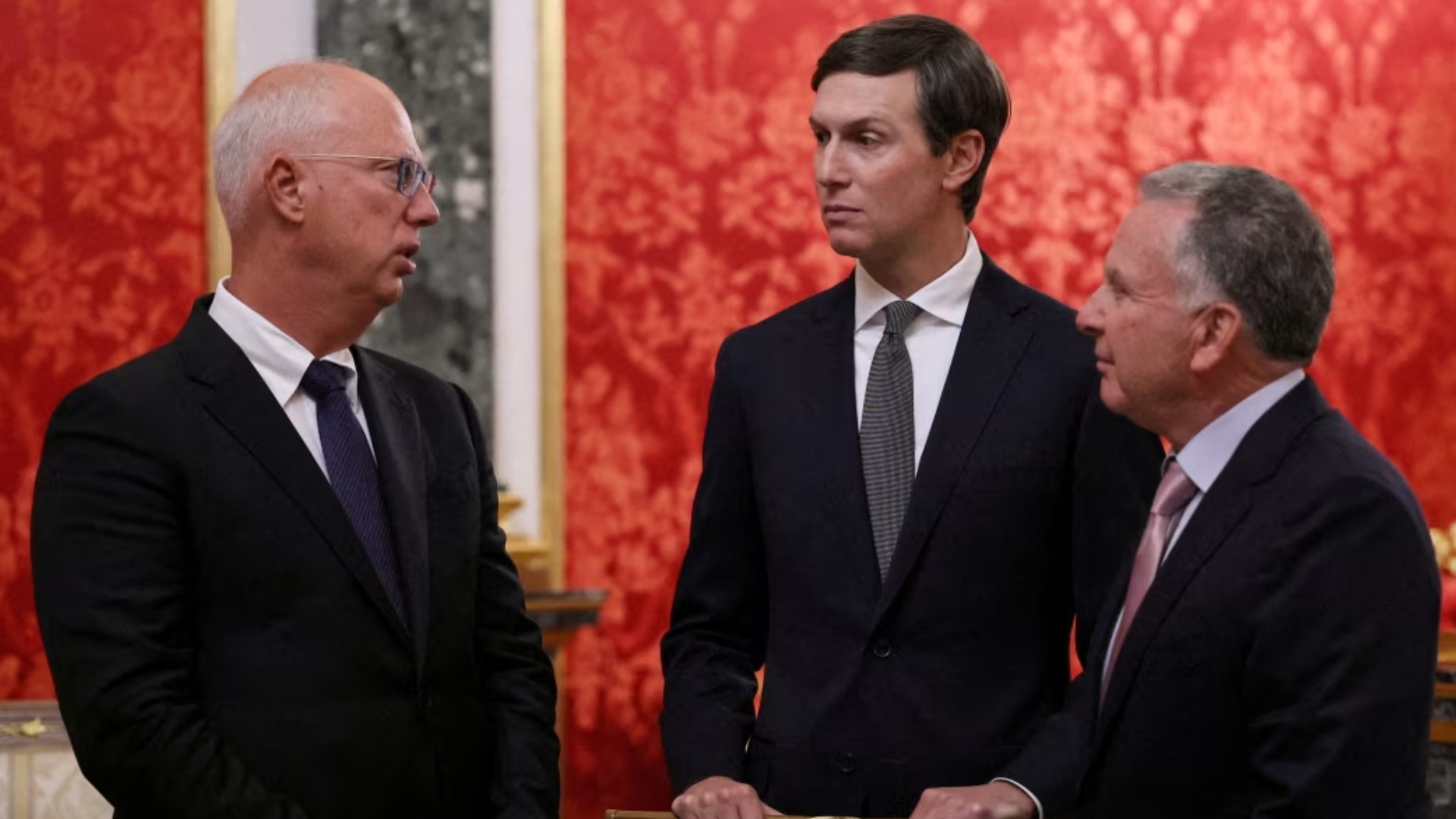
According to the Journal, US envoys Jared Kushner and Steve Witkoff raised the idea during trips to Moscow and Kyiv in September. It would involve selling Russian gas through a US intermediary to get around European sanctions, which people who attended the talks said could create a lucrative opportunity for American investors. White House officials proposed that Russia deposit the proceeds in an escrow account in a third-party jurisdiction so the Kremlin could not use the money to finance its war, a senior US official told the paper. The plan would use the Soviet-era network that carries gas from Siberia’s Urengoi fields through Ukraine, which could be restarted almost immediately and would earn Kyiv badly needed transit fees. Ukraine stopped the transit at the start of January 2025 when the pre-war deal expired. US officials also see an eventual reopening of the Nord Stream pipelines as part of a larger deal, though the Journal said that would take considerable time.
The plan was set aside last month after Ukraine stopped striking Russian refineries for almost two weeks under pressure from President Donald Trump, the Journal reported, but Kyiv resumed its air campaign on Friday with three attacks on three major refineries in three days. That has given new urgency to the search for an energy ceasefire before three-way talks among the US, Russia and Ukraine planned for mid-November in Abu Dhabi. The Institute for the Study of War has cited November 10 and said the Kremlin’s position on ceasefire proposals remains unchanged. Russia has so far rebuffed American attempts to reach such a deal. Trump told reporters on Saturday that he expects the war to end in the not too distant future.
European leaders have shown no appetite for it. EU law, finally approved in January, bans Russian LNG from the start of 2027 and pipeline gas by September 30, 2027.
EU Energy Commissioner Dan Jorgensen said in an interview with the Hungarian outlet 444.hu, reported on October 26, that the ban will stay even after a peace agreement, calling a return to Russian gas a mistake, after Hungarian Prime Minister Peter Magyar suggested purchases could resume once the war ends. “I certainly would not trust Russia,” Jorgensen said, according to the Journal.
In private, a senior Nordic official said the idea goes against everything Europeans stand for, and a senior official from a large European country compared it to Neville Chamberlain conceding Czechoslovakia to Hitler in exchange for business deals, the Journal reported. A US official told the paper that economic proposals were discussed throughout the talks and that any agreement would be part of a comprehensive peace deal.
The Trump administration is wagering that European resistance is less rigid than it looks. Russia now supplies just 11 percent of Europe’s gas, down from 45 percent before the war, while US LNG accounts for 30 percent of consumption, the Journal reported. The war on Iran has strained the market, with Qatari LNG shipments still bottled up in the Gulf and the EU estimating an extra 100 billion euros, about $112 billion, spent on energy. EU regulators say storage is about 75 percent full, below the nine-year average, after stocks began April at just 28 percent, the lowest in four years, according to the EU’s energy agency ACER. Diplomats told the Journal the shift would be easier if Kyiv endorsed the sales as part of a ceasefire that prevents blackouts in its cities, especially as Ukraine has run short of air defenses while the US limits Patriot interceptor supplies amid a global shortage caused by the Iran war.
The idea is not new. Reuters reported in May, citing eight sources, that US and Russian officials had discussed ways to restore Russian gas flows, including US firms buying Russian gas and reselling it to Europe.
Whether European capitals soften their stance may depend on what Moscow and Kyiv agree in Abu Dhabi.