Kurdish Beekeepers Secure Four Awards Against Over 200 Competitors
Kurdistan Region honey wins two gold and two silver awards at an Arab beekeeping competition in Jordan, as producers seek support to enter international markets.
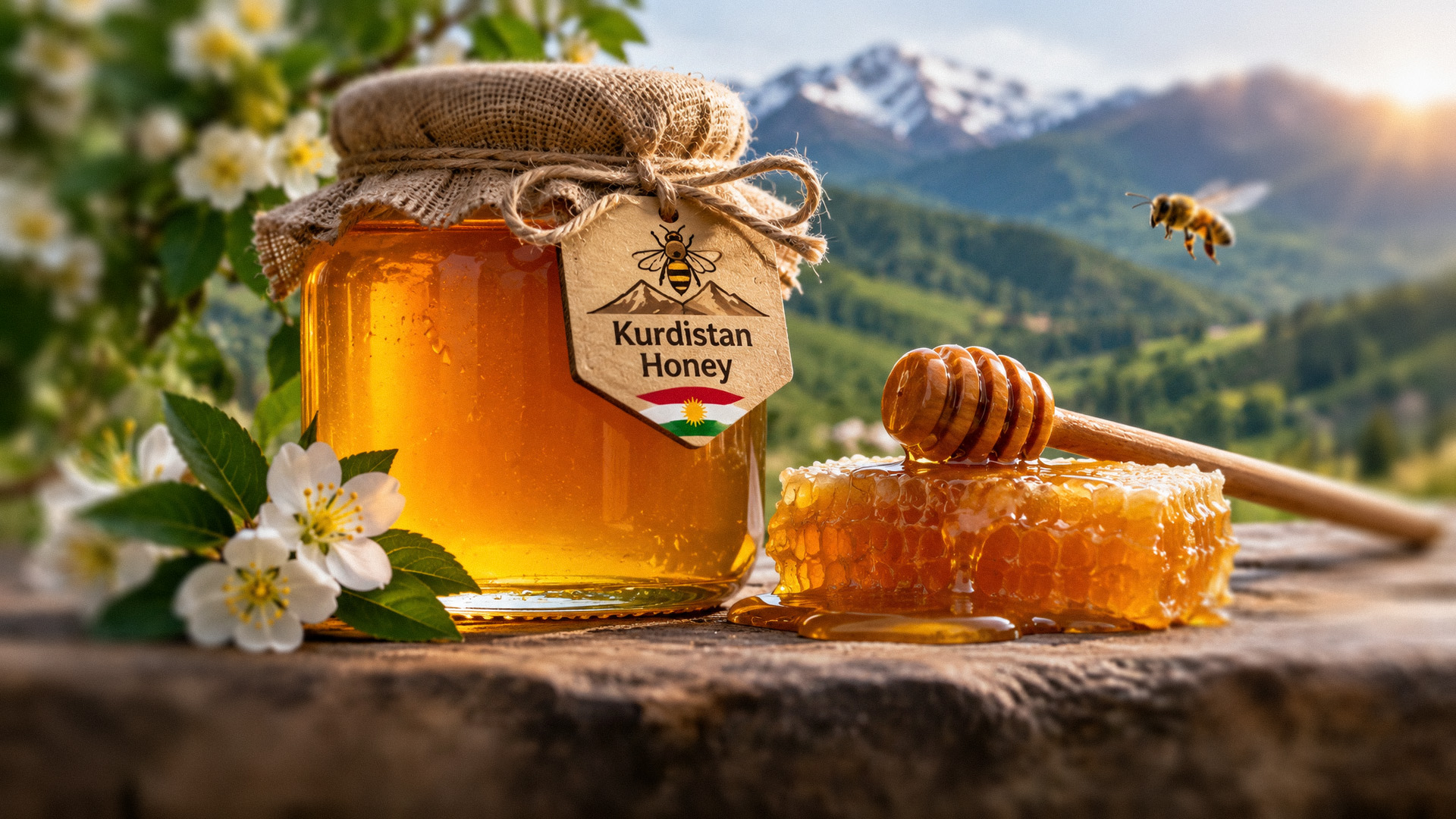
ERBIL (Kurdistan24) - Honey from the Kurdistan Region has won four awards at an Arab beekeeping conference in Amman, Jordan, after samples submitted by local producers passed laboratory examinations conducted in Saudi Arabia, according to a member of the Arab Beekeepers Union.
Osman Majid Ahmed told Kurdistan24 that Kurdistan's entries earned two first-place gold awards and two second-place silver awards in a competition involving more than 200 participants from Arab countries.
He described this year's testing requirements as particularly demanding and said every sample submitted by the Kurdistan delegation was approved.
The results have brought recognition to a product closely associated with Kurdistan's mountainous landscapes and generations of rural beekeeping.
They have also renewed calls from producers for support in reaching international markets and protecting the reputation of locally made honey.
Ahmed said the competition required entrants to submit their products in advance to a laboratory in Saudi Arabia designated by the union.
The samples underwent detailed examination against international standards before being accepted for the conference, rather than being judged solely on their presentation at the event.
Despite intense heat and difficulties transporting their entries, Kurdistan's beekeepers supplied honey in liquid, comb and crystallized forms, alongside other bee products presented for medicinal or therapeutic uses.
The four winning entries represented a modest delegation in a much larger regional field. For Ahmed, that result showed what local producers could achieve even while covering the financial and logistical demands of participation themselves.
He said the beekeepers paid for laboratory testing, travel, accommodation and registration without financial assistance. Those expenses, he argued, limited how many products they could enter and how widely they could present their work.
"If support is provided, instead of participating with four samples, we could participate with 50 samples and win more awards. This would further enhance the reputation of Kurdistan honey internationally and open international markets for it," Ahmed said.
Ahmed called specifically on the Kurdistan Regional Government (KRG) and its Ministry of Agriculture to provide financial and logistical assistance for future exhibitions and conferences.
He also raised concerns about imported and artificial honey sold in local markets, saying such products had harmed domestic producers.
Ahmed said the delegation attended under the Kurdistan flag and wore traditional Kurdish clothing, drawing interest from Arab and international media representatives at the gathering. For participants, the event was an opportunity to present not only their honey but also the agricultural identity of the Region.
Kurdish Mountain Honey and Its Natural Heritage
That identity is rooted in a landscape where wild herbs, flowering plants and mountain vegetation provide forage for bees.
In an earlier Kurdistan24 feature reported by correspondent Dalia Kamal, veteran beekeeper Osman Majid Ahmed described more than four decades working with colonies and the patience needed to understand their behavior.
He recalled a relationship built through close observation of the insects and careful handling of hives.
The work, he explained, depends on reading seasonal conditions and allowing bees to complete the formation of their combs before harvesting honey.
Beekeepers have also benefited from improved environmental conditions after years of drought.
The earlier report described abundant rainfall restoring flowering vegetation, strengthening colonies and supporting one of the strongest honey harvests in recent years.
Those gains followed difficult seasons in which reduced rainfall placed additional pressure on producers.
The conditions matter beyond the quantity of honey available for sale.
Bees pollinate flowering plants and agricultural crops, linking the livelihoods of beekeepers to the wider health of the Region's ecosystems.
Continued production therefore depends in part on preserving habitats and the natural forage that supports bee colonies.
The Amman awards provide a measure of international recognition, although the report contains no figures for export orders or additional market access resulting from the conference.
Ahmed's appeal highlights the practical hurdle now facing beekeepers: turning competition results into sustained opportunities for producers while ensuring that smaller entrants can afford to participate.
For the Kurdistan delegation, the two gold and two silver awards mark an achievement secured through privately funded participation.
Whether they lead to larger delegations and new customers will depend on the support and commercial connections that follow.