Russia Says It Shot Down Nearly 700 Ukrainian Drones in Overnight Attack
Russian officials said 699 Ukrainian drones were intercepted overnight, including 355 targeting the Moscow region
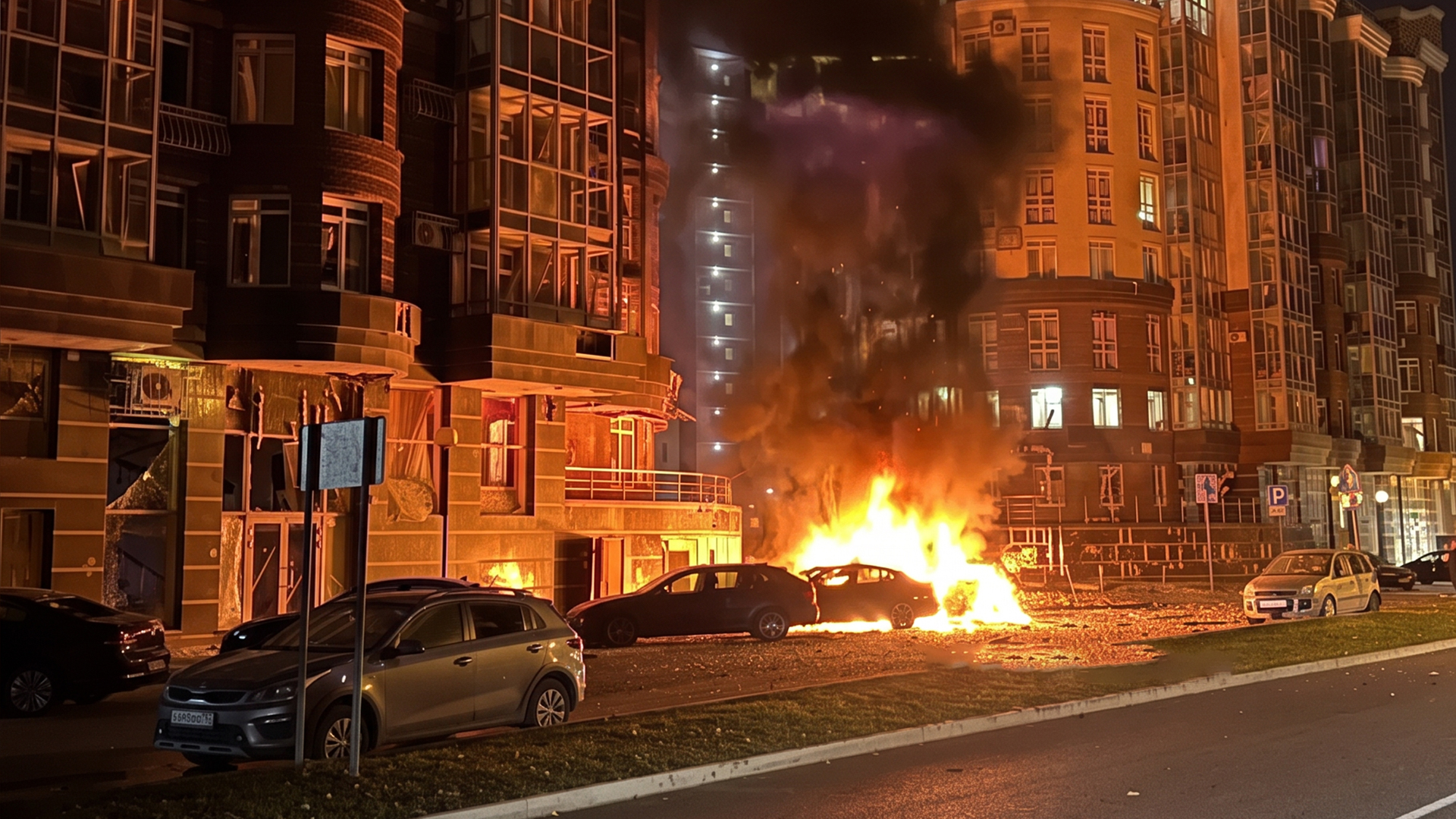
ERBIL (Kurdistan24) — Russia said Tuesday that its air defense systems had intercepted and destroyed 699 Ukrainian drones overnight, including hundreds approaching the Moscow region, in one of the largest reported drone attacks on Russian territory since the start of the nearly five-year war in Ukraine.
The Russian Defense Ministry said in a statement on Telegram that its air defense forces had "intercepted and destroyed 699 Ukrainian aerial-type drones" during the overnight operation, which covered a wide area, including the Moscow region and the Crimean peninsula, annexed by Russia in 2014.
Moscow Mayor Sergey Sobyanin said 355 of the drones had been launched toward the Moscow region, adding that 63 were destroyed as they approached the Russian capital.
Russian authorities did not immediately report any deaths or injuries resulting from the attacks.
The reported interception comes as Russia continues its campaign of strikes against Ukraine, particularly targeting energy infrastructure ahead of the winter season, raising concerns over the impact on electricity supplies and civilian services.
Ukraine, meanwhile, said Monday that it was responsible for weekend strikes against two Russian vessels off the coast of Libya. The attacks reportedly targeted one vessel docked at a port and another in nearby waters, destroying one of Russia's newest warships.
The latest developments also come amid growing security concerns within NATO over Russia's military activities beyond the battlefield.
NATO Secretary-General Mark Rutte said Monday that the alliance would defend against threats extending into space, following media reports that Moscow could be preparing to launch a nuclear-armed satellite.
German media outlets, citing unnamed military and intelligence sources, reported that Russia was considering launching a satellite, reportedly called "Sputnik-S," equipped with a nuclear warhead in the coming weeks.
The alleged system could potentially disrupt or destroy other satellites, including those supporting communications and surveillance.
Speaking alongside Rutte in Berlin, German Chancellor Friedrich Merz expressed concern over the reports, saying that although similar warnings were not new, the possibility of nuclear weapons being introduced into space remained deeply alarming.
"They reveal the level of escalation Russia is evidently prepared to pursue," Merz said.
Rutte stressed that NATO's defensive commitments extended beyond conventional territory, declaring that the alliance would ensure the protection of every inch of its territory, including its interests and security in space.
German authorities said they were taking the reports seriously but cautioned against creating unnecessary alarm over potential threats that had not been independently confirmed.
European Space Agency chief Josef Aschbacher described the prospect of nuclear weapons being deployed in orbit as "the ultimate nightmare scenario."
Meanwhile, NATO is set to provide Poland with an airborne warning and control system (AWACS) surveillance aircraft following reports that three Russian cruise missiles landed on Polish territory on Friday, adding to concerns over the potential spillover of the conflict beyond Ukraine.
The combination of intensified drone warfare, reported attacks on Russian military assets abroad, and growing concerns over potential weapons deployments in space underscores the expanding security challenges facing Europe as the war approaches its fifth year.