Annahar: Iraq’s Education System Faces Deepening Crisis Amid School Shortages and Political Interference
Data from Iraq’s Ministry of Planning for the 2022–2023 academic year show that 355,640 students dropped out of education. Of these, 200,703 were primary school students, 149,594 were in intermediate education, and 5,343 were enrolled in vocational education.
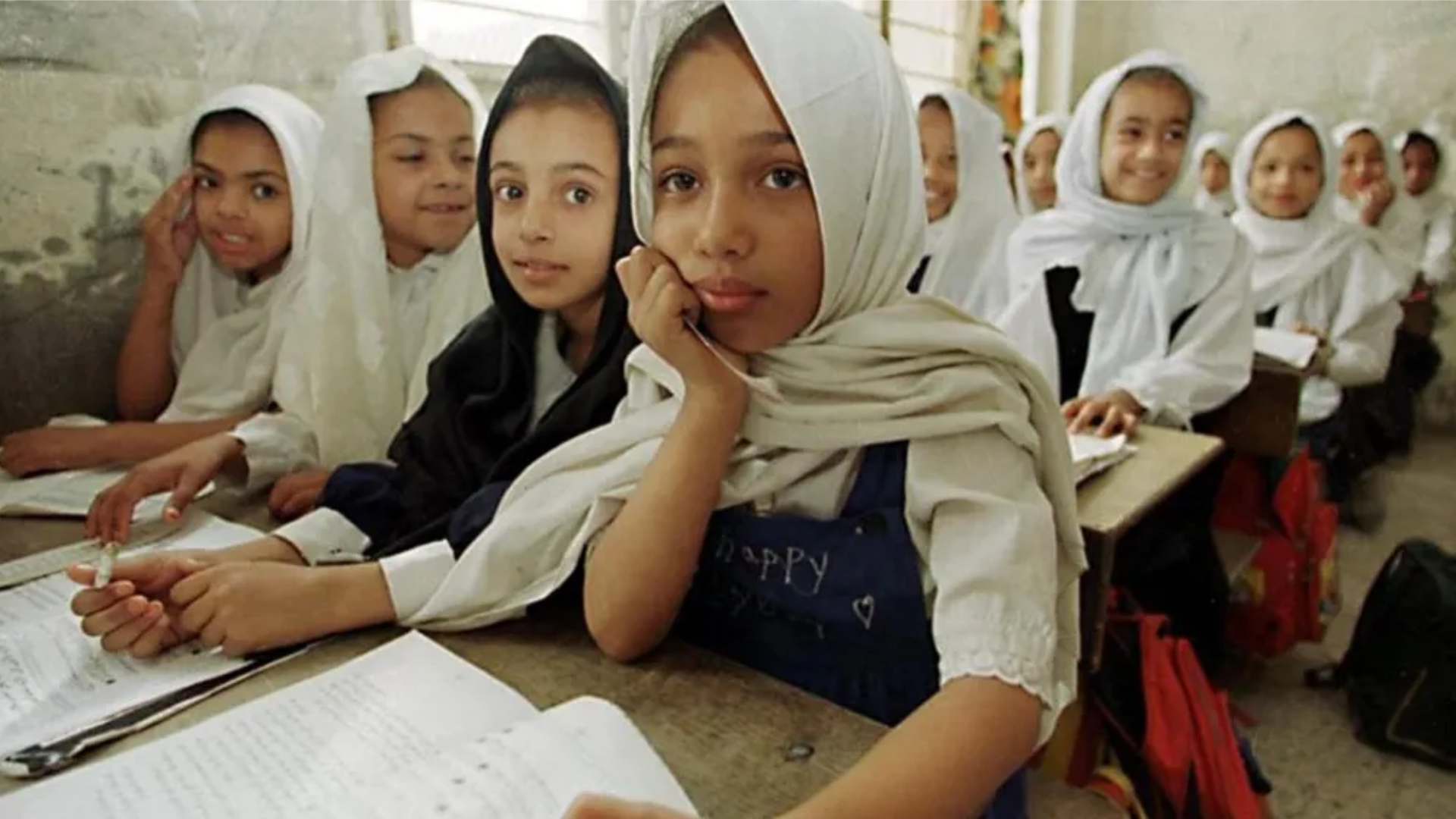
ERBIL (Kurdistan24) – Lebanon’s Annahar newspaper has highlighted the deepening crisis in Iraq’s education sector, warning that a shortage of school buildings, rising dropout rates, declining educational standards, and political interference have severely undermined the country’s education system.
In an analytical report, Annahar said Iraq’s education sector has suffered a significant setback and requires fundamental reforms, noting that the crisis goes beyond inadequate school infrastructure and outdated curricula to reflect deeper problems of governance, poor planning, and the lasting consequences of wars and political and economic instability, particularly since 2003.
Iraq, which once had one of the most advanced education systems in the region, is now struggling with declining educational quality, weak scientific research, and a growing mismatch between graduates’ qualifications and labor market requirements.
Rising Dropout Rates and Declining Educational Standards
According to UNESCO statistics cited by Annahar, nearly 80 percent of Iraq’s school buildings had collapsed or sustained damage by 2010.
Although the primary school completion rate rose from 68 percent in 2010 to 83 percent in 2020, the improvement has not translated into a corresponding increase in educational quality.
Data from Iraq’s Ministry of Planning for the 2022–2023 academic year show that 355,640 students dropped out of education. Of these, 200,703 were primary school students, 149,594 were in intermediate education, and 5,343 were enrolled in vocational education.
Enrollment rates stand at 95 percent in primary education, falling to 67 percent in intermediate education and 36 percent in secondary education. Vocational education accounts for only 1.4 percent of enrollment.
The report attributes the high dropout rates and low enrollment in higher grades to poverty, child labor, and inadequate school environments.
Severe Shortage of School Buildings
The World Bank estimates that Iraq needs approximately 10,000 additional school buildings to address the shortage of educational infrastructure.
The continued use of double and triple school shifts has reduced classroom instruction hours and contributed to declining academic performance.
Although public spending on education increased from 8.2 trillion Iraqi dinars in 2009 to 10.8 trillion dinars in 2019, the sector’s share of the overall state budget has declined, according to the report.
Political Interference in the Education Sector
Annahar also identified partisan influence and political power-sharing as major obstacles to reform, saying employment in senior positions in the Ministries of Education and Higher Education, general directorates, and universities have increasingly been shaped by political affiliations since 2003.
UNESCO has criticized employment based on political loyalty rather than professional qualifications and merit, warning that such practices have weakened university independence and contributed to administrative instability.
Universities and the Growing Labor Market Gap
Iraq’s higher education institutions face several challenges, including insufficient research funding, a shortage of advanced laboratories, and the unplanned expansion of universities and colleges.
The report noted that most students continue to favor theoretical disciplines, while technical and vocational education remains neglected. This has widened the gap between university graduates’ qualifications and the actual needs of the labor market.
Nevertheless, a 2025 United Nations report highlighted some positive developments in the sector, including the return of 101,679 out-of-school children to education, the introduction of Education Management Information Systems (EMIS) in 7,810 schools, and the training of more than 14,000 teachers.
Concluding its assessment, Annahar argued that Iraq’s education crisis is not simply a matter of insufficient school buildings or outdated curricula, but fundamentally a crisis of governance and administration.
The report stressed that educational success should not be measured by the number of certificates awarded annually, but by the quality of graduates and their ability to contribute meaningfully to state-building and economic development.