Sweden Targets 700 Criminal Suspects Abroad, Including Many Hiding in Iraq
Swedish authorities say Iraq and the United Arab Emirates are currently home to a significant number of these fugitives, many of whom are allegedly using their Swedish identity as a cover to escape justice.
ERBIL (Kurdistan24) — Swedish police have launched a global crackdown on 700 criminal suspects holding Swedish citizenship but living abroad, with Iraq identified as one of the main countries sheltering the wanted individuals — raising serious concerns about Iraq’s role as a safe haven for international fugitives.
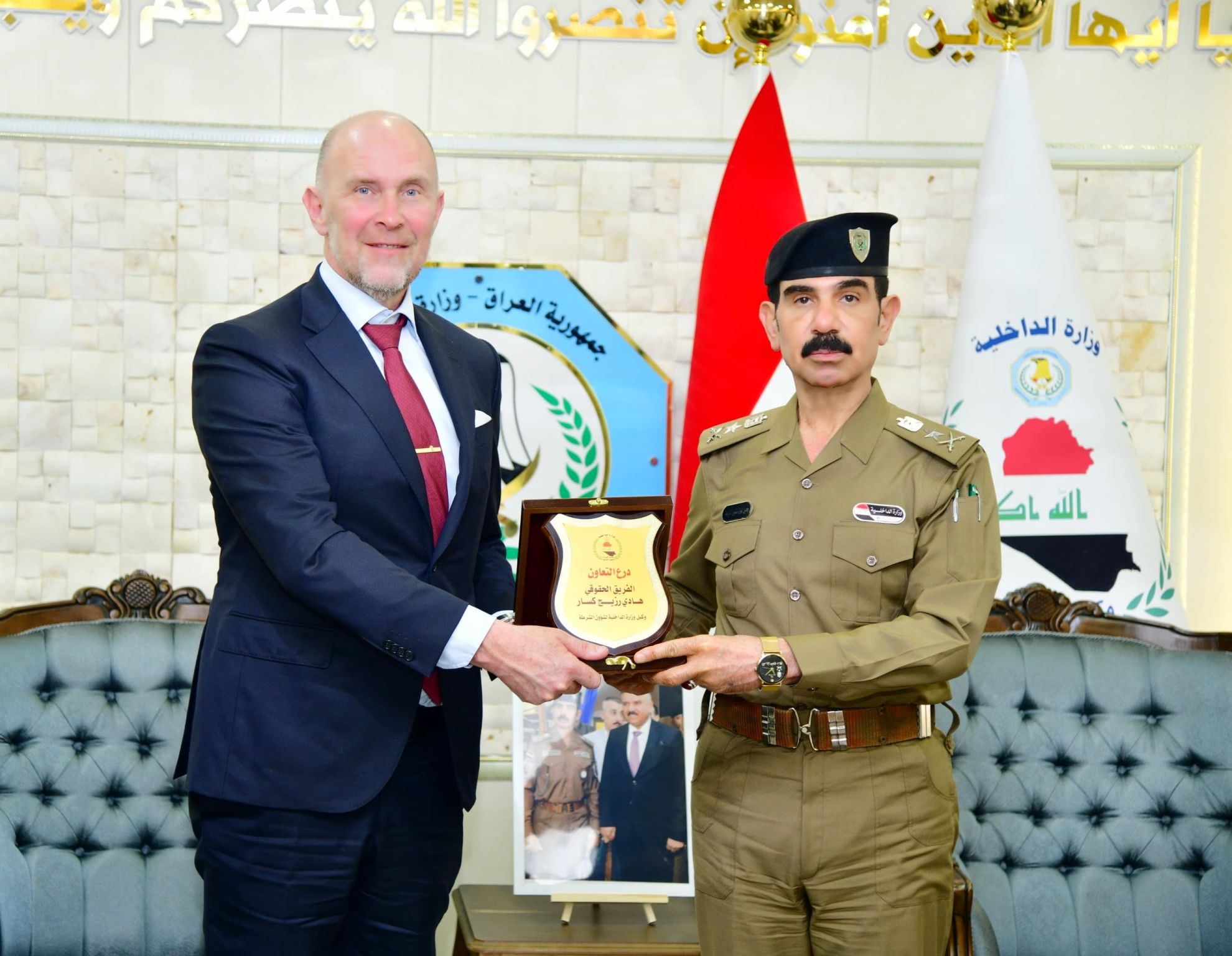
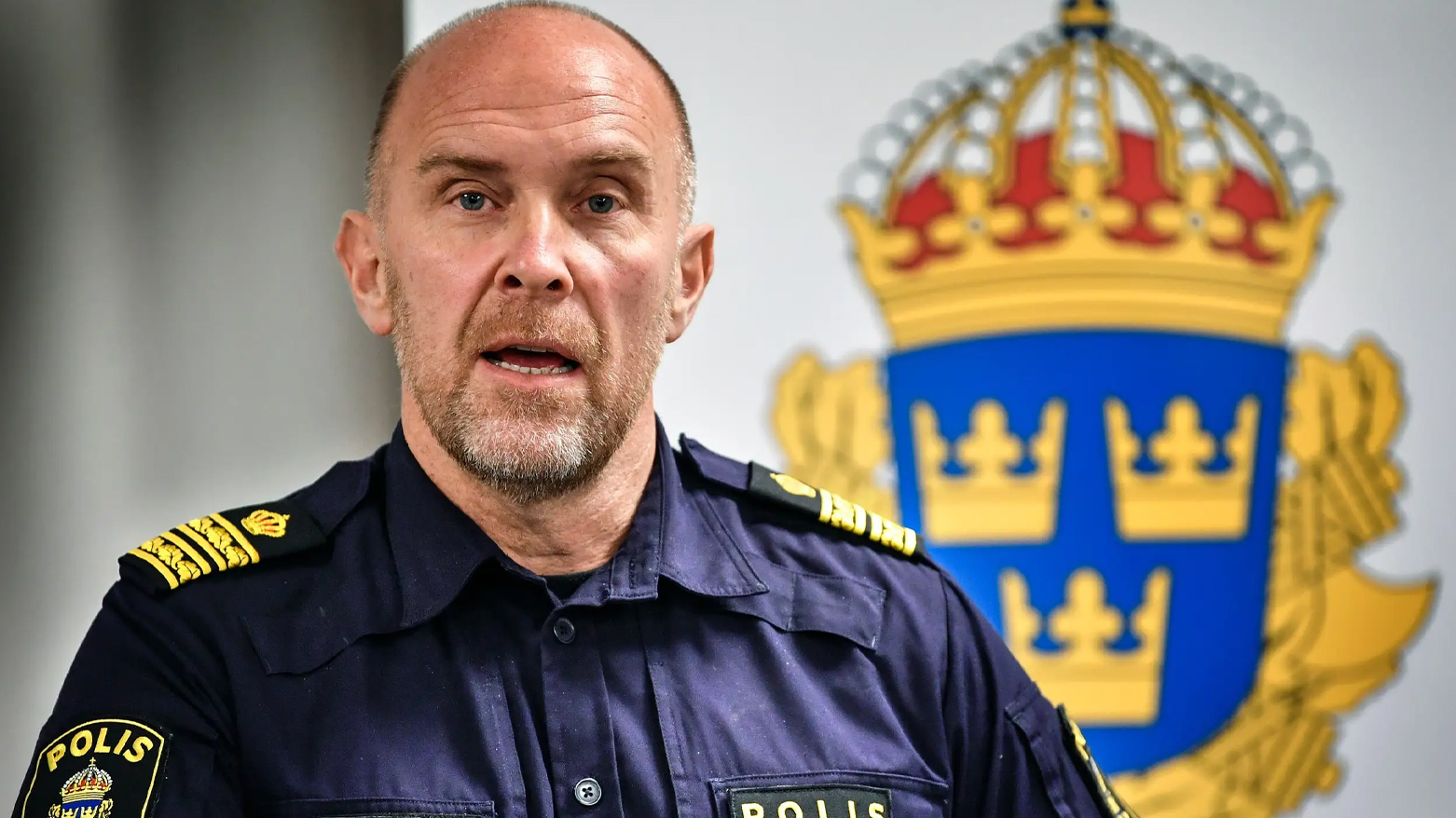
Stefan Hector, Deputy Chief of Sweden’s National Police, announced in an interview with Swedish national television that a police delegation was recently sent to Iraq to coordinate with local authorities. The visit aimed to track down and apprehend Swedish passport holders wanted for violent crimes, drug trafficking, forgery, and large-scale financial fraud.
“No matter where they hide, these criminals will be found and arrested,” Hector declared, adding that suspects will be pursued globally in coordination with local police forces.
Swedish authorities say Iraq and the United Arab Emirates are currently home to a significant number of these fugitives, many of whom are allegedly using their Swedish identity as a cover to escape justice. While cooperation agreements have reportedly been reached with officials in both countries, questions remain about Iraq’s ability and willingness to carry out effective law enforcement against such individuals.
Iraq’s fragile judicial and security systems have long been criticized for corruption, inefficiency, and lack of transparency — making it an attractive destination for criminals seeking to avoid extradition. Sweden’s direct engagement with Iraqi authorities may signal frustration with the country’s inconsistent response to international arrest warrants.
In recent years, several reports have emerged of wanted criminals using forged documents or bribing local officials to maintain their freedom in Iraq. Critics argue that without substantial reform, Iraq risks becoming a hub for global criminal networks.
Looking ahead, Sweden plans to expand its crackdown with upcoming police missions to Turkey and Morocco — two other nations believed to be hosting large numbers of the 700 suspects.
Hector stressed that the majority of those being pursued are involved in organized crime, including narcotics trafficking, money laundering, and document forgery. “These are not petty criminals,” he warned. “They pose a serious threat to public safety, both in Sweden and globally.”
Iraq's Growing Reputation as a Criminal Hideout
Iraq’s role in this unfolding international operation has reignited debate over its reputation as a destination for fugitives and fraudsters. Despite ongoing efforts by some Iraqi officials to improve cooperation with Western countries, the lack of consistent enforcement mechanisms continues to undermine trust in the country’s commitment to international law.
For European nations like Sweden, which grant citizenship to immigrants under the assumption of future integration and legal compliance, the misuse of Swedish passports by criminals abroad — especially in regions with limited accountability — presents both a political and security crisis.
Sweden’s crackdown sends a clear message: even outside national borders, citizenship will not shield criminals from justice. Yet for countries like Iraq, the pressure is mounting to clean up their image and take a firmer stance against sheltering international offenders.