Iraq Suspends Livestock Imports from Syria Over Foot-and-Mouth Disease Concerns
In a statement, the Ministry said the decision came after close monitoring confirmed the spread of the highly contagious disease in several Syrian provinces, affecting cattle, sheep, and other livestock.
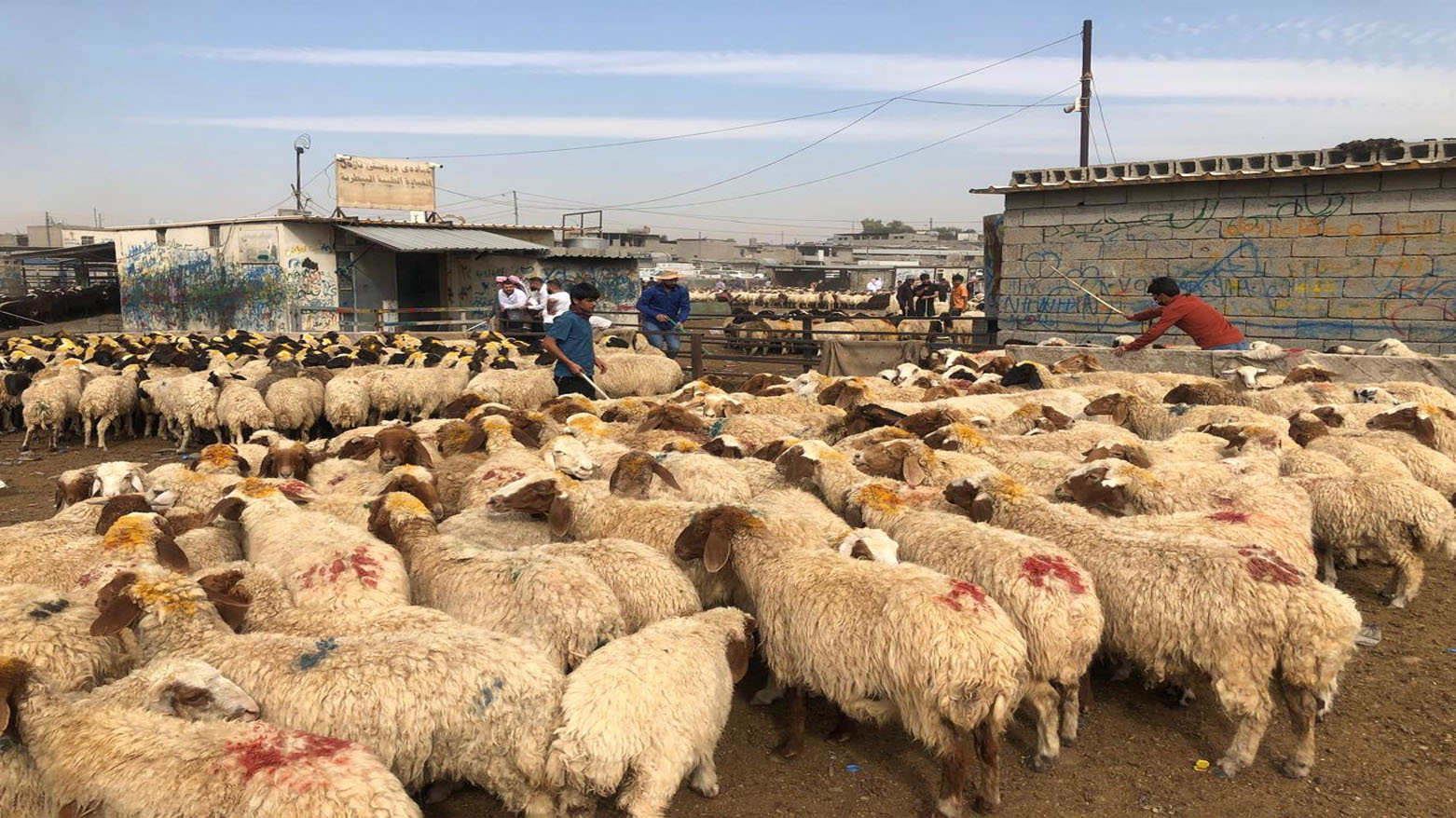
ERBIL (Kurdistan24) – The Iraqi Ministry of Agriculture on Friday announced the temporary suspension of livestock imports from Syria into Iraq, along with the transit of Syrian livestock through Iraqi territory to Gulf countries, as a precautionary measure to prevent the spread of foot-and-mouth disease (FMD).
In a statement, the Ministry said the decision came after close monitoring confirmed the spread of the highly contagious disease in several Syrian provinces, affecting cattle, sheep, and other livestock.
The Ministry stressed that the immediate measure is intended to protect Iraq’s domestic livestock sector and prevent the transmission of transboundary epidemic diseases. It also emphasized that veterinary and health regulations are applied consistently to all countries in accordance with disease prevention protocols.
Foot-and-mouth disease is a highly contagious viral disease that affects cloven-hoofed animals, including cattle, sheep, and goats. Common symptoms include blisters and sores in the mouth, excessive drooling, difficulty eating, sores between the hooves causing limping, high fever, weakness, and a sharp decline in milk and meat production.
Authorities said the suspension will remain in effect until the epidemiological situation is reassessed and veterinary risks are brought under control.
The suspension of livestock imports from Syria could have significant economic implications for Iraq's livestock sector. By cutting off a source of livestock supply, local farmers may face increased demand and potentially higher prices for their animals. Conversely, the halt in imports might also affect meat and dairy prices for consumers, as reduced supply could lead to shortages and increased costs in the market.