Rubio Says Trump's NATO Frustration 'Must Be Addressed'
U.S. Secretary of State Marco Rubio said President Donald Trump's frustration with NATO allies over their response to the Iran war "will have to be addressed," as European officials seek clarity on shifting U.S. troop deployments ahead of a critical NATO summit in Türkiye.
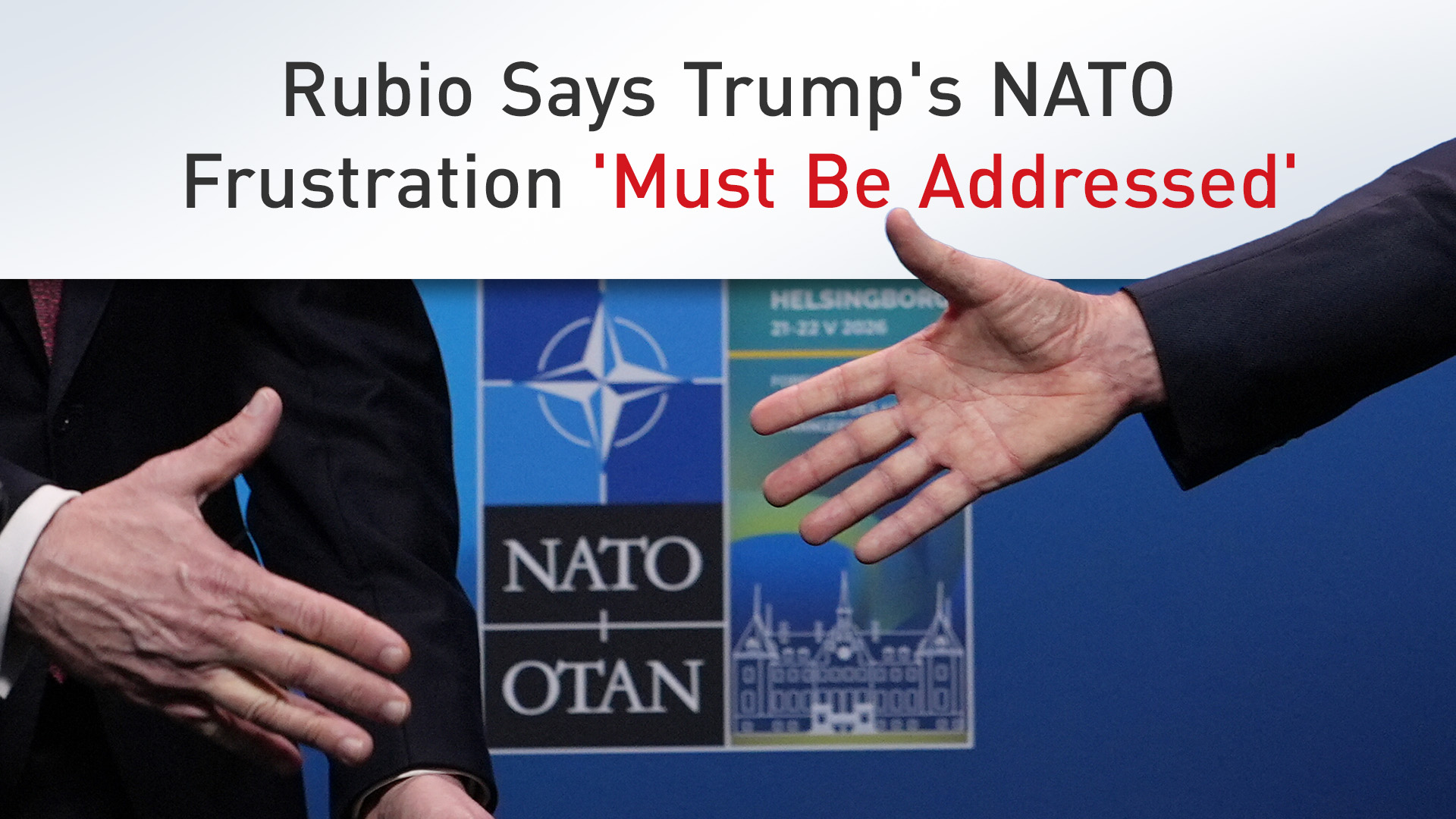
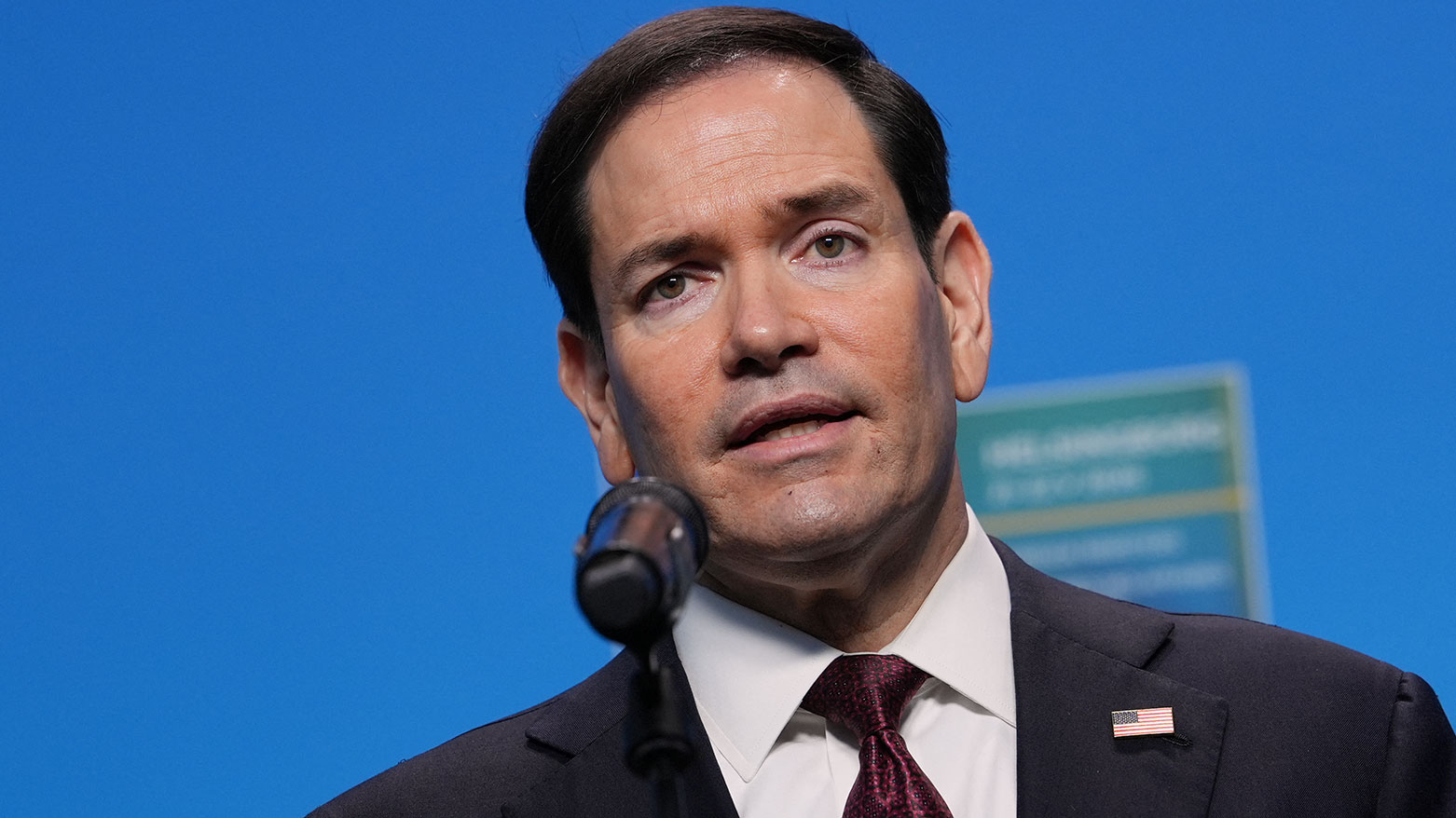
ERBIL (Kurdistan24) - United States Secretary of State Marco Rubio stated Friday that President Donald Trump's dissatisfaction with NATO allies regarding their response to the Iran war is a significant issue that must be formally addressed. Speaking ahead of diplomatic talks in Helsingborg, Sweden, on Friday, Rubio emphasized that the president's frustrations with European partners are "well documented" and will feature prominently in upcoming alliance discussions.
The comments underscore deepening diplomatic friction between Washington and European capitals over the ongoing conflict in the Middle East.
While Rubio indicated that these disagreements would not be fully resolved during the immediate meetings in Sweden, his remarks set a contentious tone ahead of the upcoming NATO leaders' summit in Ankara, Türkiye.
According to Agence France-Presse (AFP), the diplomatic strain reflects broader transatlantic divisions over military coordination, defense spending, and the strategic direction of the alliance under the Trump administration.
The current diplomatic environment centers on a parallel debate regarding U.S. military posture in Europe.
Recent, seemingly erratic shifts in American troop deployments have generated significant anxiety among NATO allies. Rubio sought to assuage these concerns, stating that decisions to reposition forces are based on global strategic requirements and are "not punitive."
However, AFP reported that European ministers are actively seeking clarity on these movements, attempting to discern whether Washington's military footprint is being utilized as leverage to compel greater European alignment with U.S. policies in the Middle East and elsewhere.
The ongoing confusion highlights the broader uncertainty surrounding the reliability of American security commitments as the alliance prepares for a critical summit.
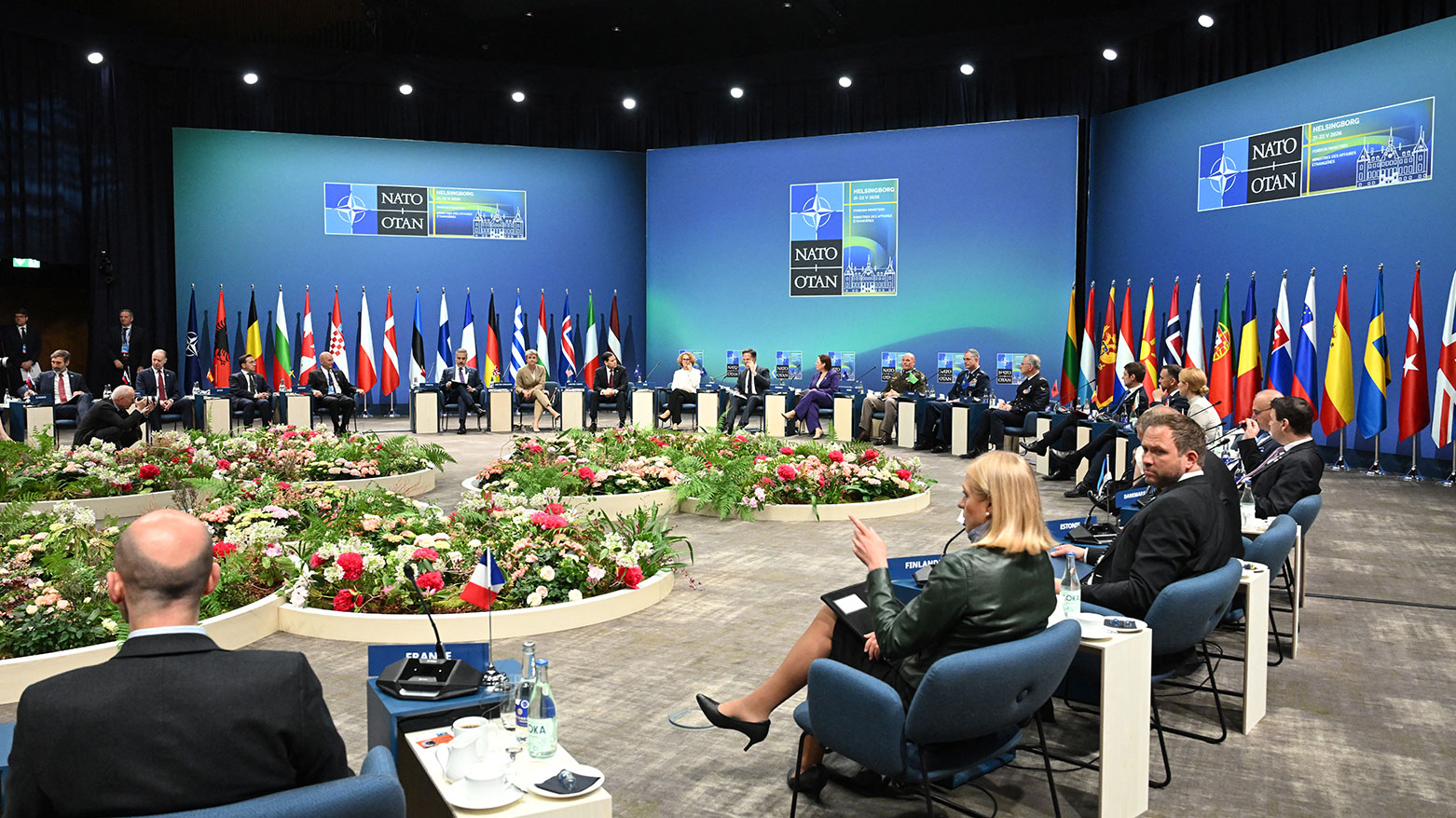
Rubio Seeks to Reassure Allies
During his visit to Sweden, Rubio addressed the persistent questions regarding U.S. troop deployments on the continent. In remarks reported by AFP, the secretary of state maintained that Washington’s force realignments are a standard component of its global obligations.
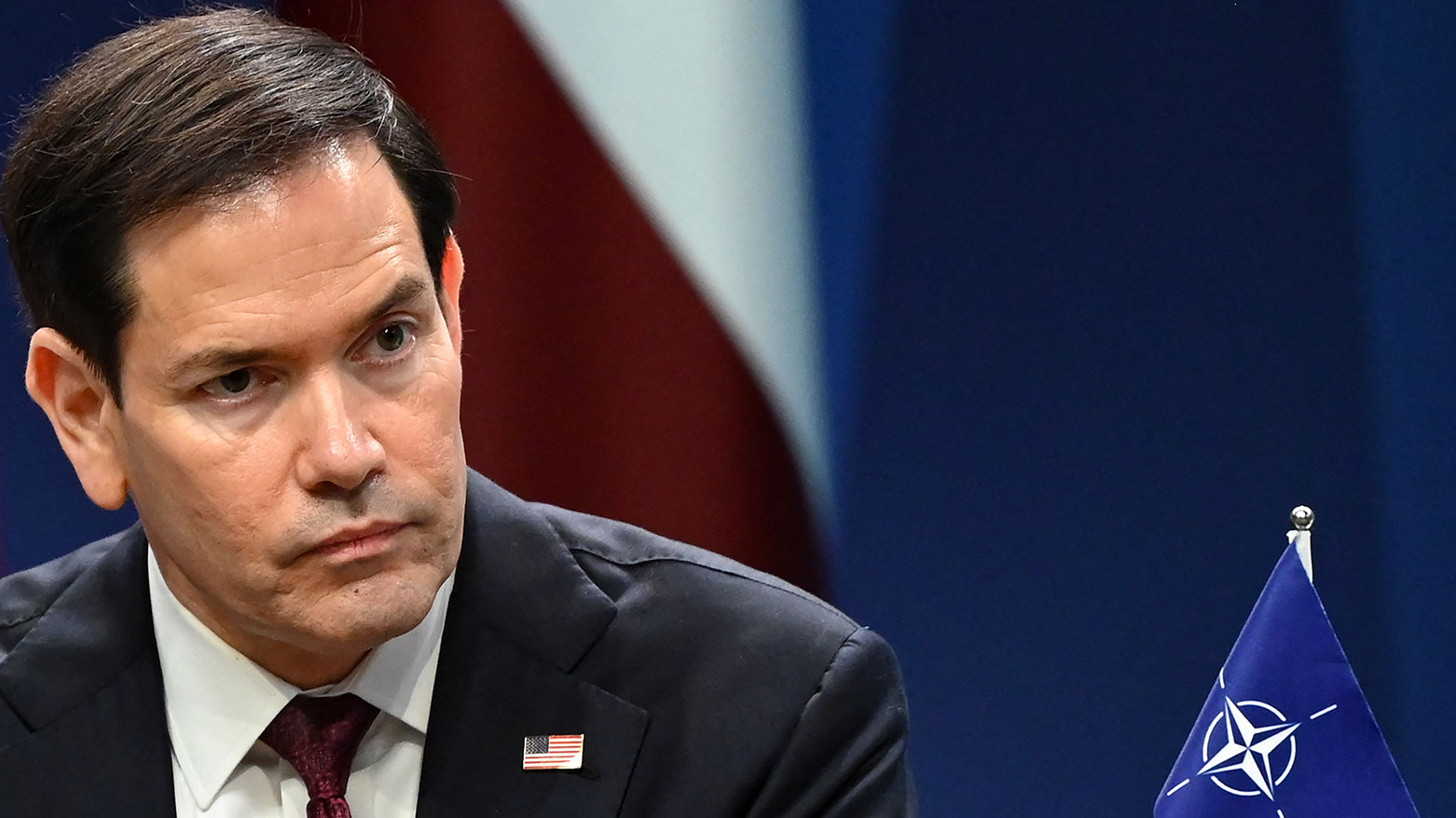
"The United States continues to have global commitments that it needs to meet in terms of our force deployment, and that constantly requires us to reexamine where we put troops. This is not a punitive thing, it's just something that's ongoing," Rubio told reporters, according to AFP.
The need for reassurance follows a series of abrupt announcements from the White House.
According to AFP journalist Max Delany, President Trump recently declared his intention to deploy 5,000 troops to Poland, an apparent reversal of a previous decision to cancel the move.
This announcement came shortly after Washington abruptly stated it would withdraw 5,000 troops from Germany, a decision AFP noted followed a diplomatic dispute between Trump and German Chancellor Friedrich Merz.
European Ministers Seek Clarity
The rapid shifts in U.S. military posture have left European officials struggling to navigate Washington's intentions.
AFP reported that Swedish Foreign Minister Maria Malmer Stenergard described the situation as "confusing indeed, and not always easy to navigate."
Despite the confusion, some European leaders indicated an acceptance that the U.S. footprint on the continent will inevitably decrease.
According to AFP, Norwegian Foreign Minister Espen Barth Eide stated that U.S. drawdowns are widely expected as Washington prioritizes other global threats.
However, Eide emphasized the need for coordination, noting, "What is important is that it happens in a structured manner, so that Europe is able to build up when the US reduces its presence."
The broader strategic reality is pushing European nations to assume greater responsibility for their own defense. AFP reported that French Foreign Minister Jean-Noel Barrot framed the situation as an opportunity.
"As the US reevaluates its level of engagement and presence in Europe within the alliance, it is exactly the opportunity... to Europeanise NATO," Barrot said, according to the report.
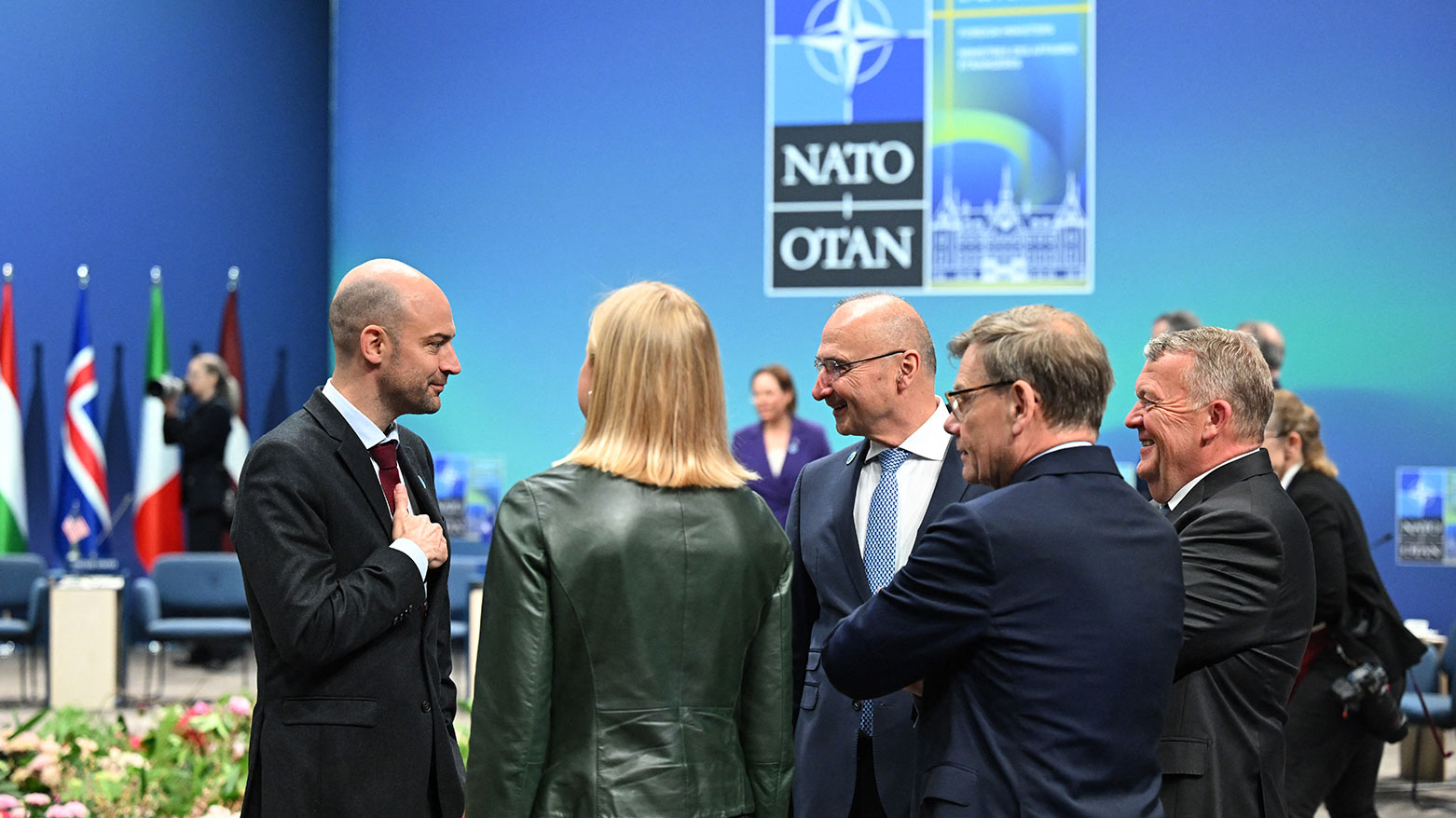
Trump's Iran Stance Looms Over Summit
The friction over troop deployments is heavily intertwined with the ongoing fallout from the Iran conflict.
According to AFP, Trump has strongly criticized European nations for failing to support the U.S.-Israeli military campaign against Tehran, even issuing threats that he might consider withdrawing the United States from NATO.
Rubio confirmed that this issue remains a primary concern for the administration.
"The president's views, frankly disappointment, at some of our NATO allies and their response to our operations in the Middle East -- they're well documented -- that will have to be addressed," Rubio said, according to AFP.
In an effort to manage the diplomatic fallout, European allies have undertaken measures to signal support for regional security.
According to AFP, some nations have deployed naval vessels to the region to assist in securing the Strait of Hormuz following the cessation of hostilities.
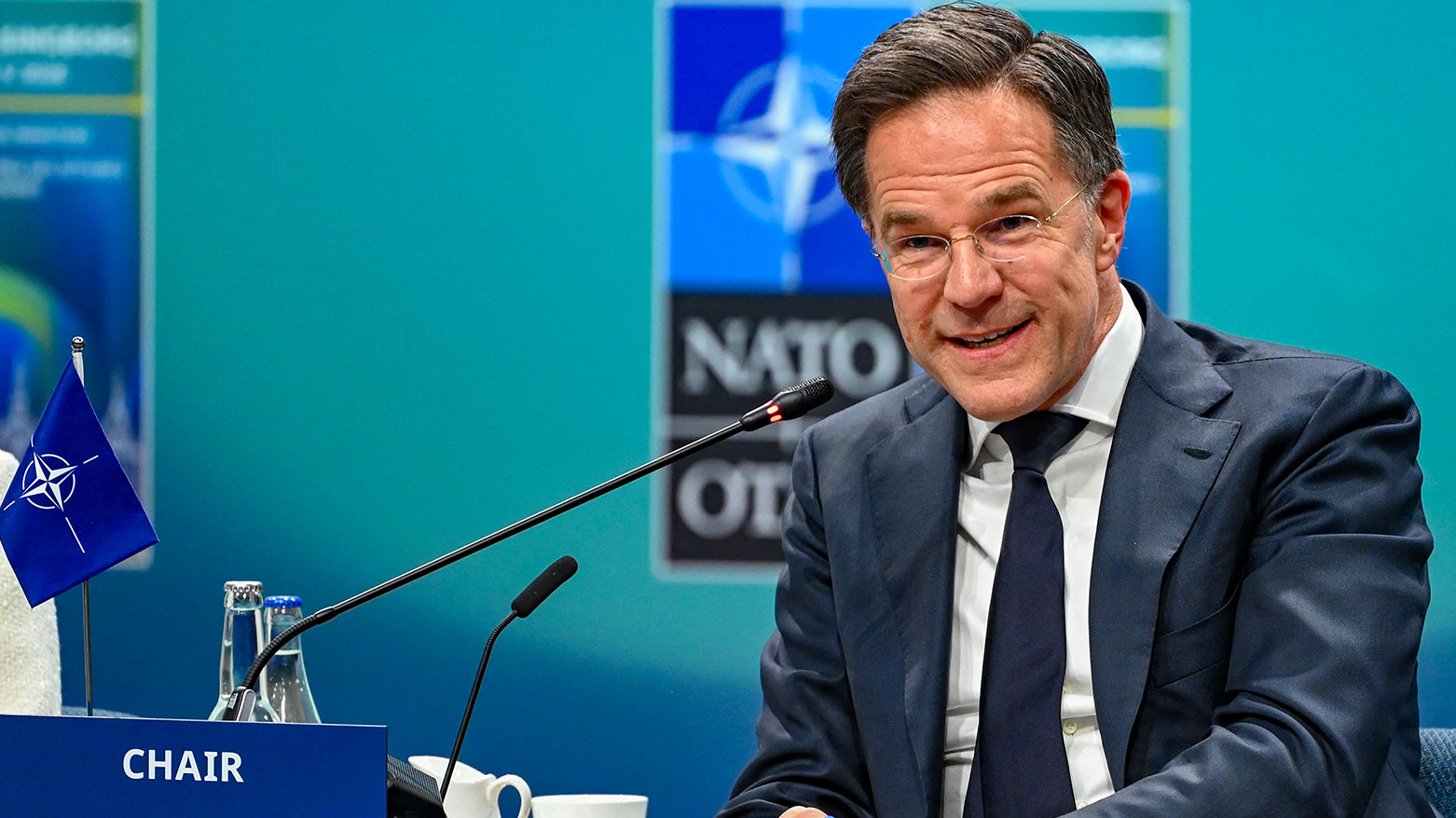
"Europeans have heard the message," NATO Secretary General Mark Rutte stated. However, German Foreign Minister Johann Wadephul indicated he does not expect NATO to launch a formal, alliance-wide mission in the region, AFP reported.
Defense Spending Debate Intensifies
The diplomatic maneuvering in Sweden is largely focused on laying the groundwork for a successful NATO summit in Ankara, Türkiye, which Rubio characterized as "probably one of the more important leaders' summits in the history of NATO."
According to AFP, diplomats had hoped the Ankara summit would focus on showcasing European efforts to meet Trump's demand that allies increase defense-related spending to five percent of their gross domestic product (GDP).
The report noted that a series of European arms deals are being prepared to demonstrate to the U.S. president that the continent is fulfilling its financial commitments.
However, the debate over burden-sharing extends beyond general defense spending to specific security challenges, notably the ongoing war in Ukraine.
According to AFP, NATO Secretary General Rutte has pushed for European countries and Canada to commit 0.25 percent of their GDP specifically to arming Kyiv. Rutte acknowledged that his proposal was quickly rejected by several member states.
AFP reported that major economies, including France, Spain, and Italy, have faced criticism for not contributing sufficiently to the Ukrainian war effort.
"What I want to achieve is that the burden is more evenly spread, that there is more burden sharing here," Rutte said, noting that currently, only six or seven allies are "doing the heavy lifting."
As the Ankara summit approaches, the alliance remains focused on managing the complex interplay of defense spending, European autonomy, and transatlantic coordination.
The fundamental challenge for NATO leaders will be bridging the strategic gap between Washington's priorities in the Middle East and Europe's security requirements on the continent.