Iran Demands Firm U.S. Sanctions Guarantees Before Accepting Nuclear Deal
Baqaei criticized the UN report, suggesting it was politically motivated and driven by pressure from European states. "If they want to further exploit this political report... they will surely have to face a proportionate response from Iran," he warned.
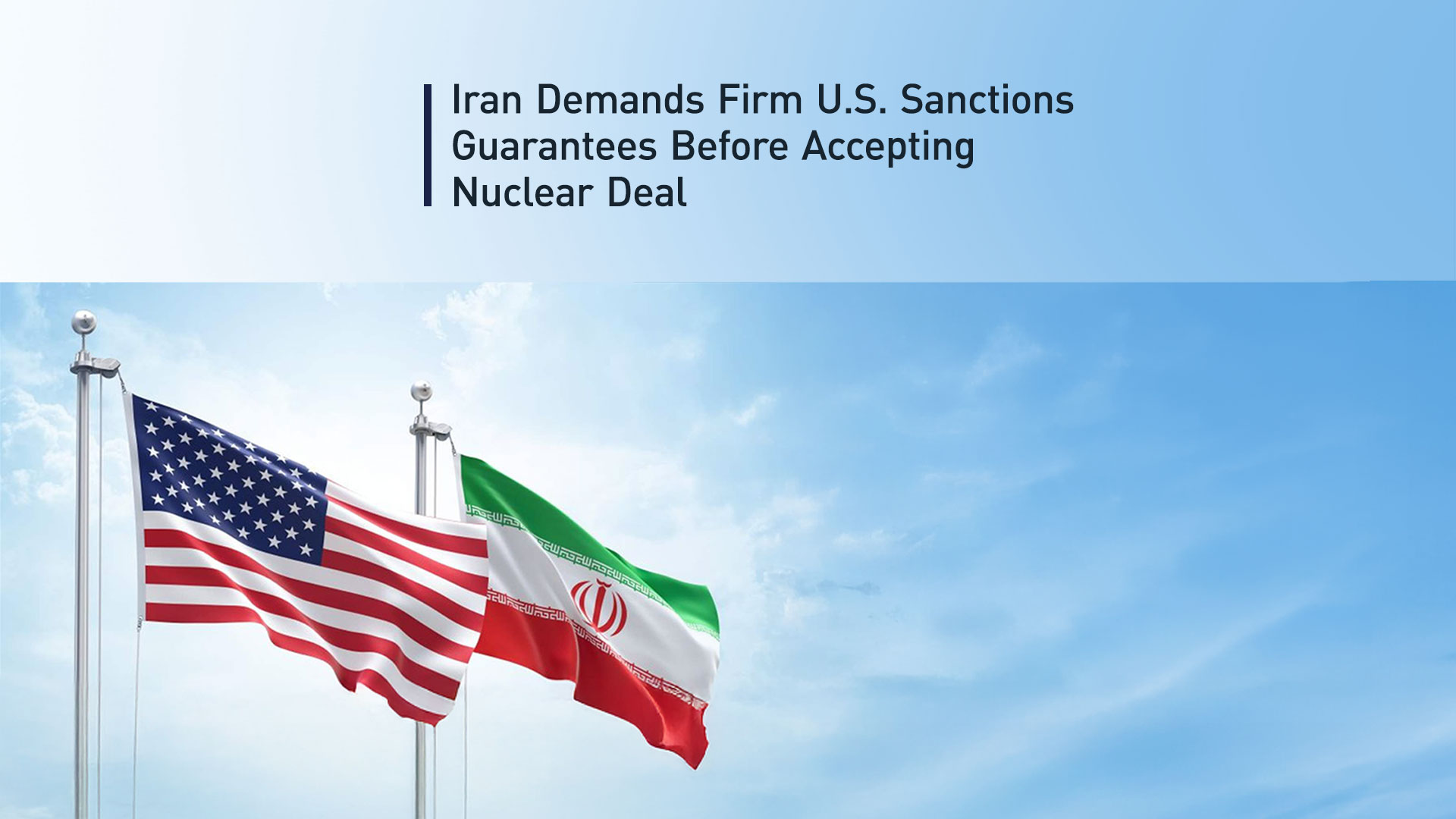
ERBIL (Kurdistan24) — Iran on Monday demanded firm guarantees from the United States that sanctions will be effectively lifted as a precondition for any new nuclear deal, in response to a reported American proposal Tehran has so far deemed vague and insufficient, Agence France-Presse (AFP) reported.
Tensions have resurfaced in ongoing nuclear negotiations between Tehran and Washington, which resumed in April through Omani mediation after years of diplomatic gridlock. The recent American proposal follows a leaked UN atomic watchdog report indicating that Iran has ramped up production of uranium enriched to 60% purity — just short of weapons-grade level.
Iran’s Foreign Ministry spokesman, Esmaeil Baqaei, speaking at a press conference in Tehran, emphasized that without a binding commitment from the U.S. on lifting sanctions, progress in talks would stall. "We want to guarantee that the sanctions are effectively lifted," Baqaei said. "So far, the American side has not wanted to clarify this issue."
According to AFP, Baqaei also criticized the UN report, suggesting it was politically motivated and driven by pressure from European states. "If they want to further exploit this political report... they will surely have to face a proportionate response from Iran," he warned.
The report from the International Atomic Energy Agency (IAEA) — leaked just days earlier — revealed a notable increase in Iran’s uranium enrichment levels, sparking renewed concern among Western powers. Uranium enriched to 90% purity is typically used in nuclear weapons, though Iran maintains its nuclear program is solely for peaceful, civilian energy purposes.
Iran’s top nuclear negotiator, Abbas Araghchi, was scheduled to meet with IAEA Director General Rafael Grossi in Cairo on Monday, a day after the report’s contents became public. Araghchi has already received what he called “elements” of a U.S. proposal, though he stressed the need for greater clarity and commitment from Washington.
The United States, for its part, has reportedly submitted what it considers an “acceptable” proposal. According to The New York Times, the plan includes halting all Iranian uranium enrichment activities and suggests forming a regional consortium for peaceful nuclear energy development.
However, Iranian officials remain skeptical. Tehran has pledged to continue its enrichment activities “with or without a deal,” asserting national sovereignty over its nuclear program. “An enrichment program can never exist in the state of Iran ever again. That’s our red line,” U.S. nuclear envoy Steve Witkoff told Breitbart News in May — underscoring the deep divide between both parties.
The renewed push for a deal comes as part of efforts to replace the 2015 nuclear agreement. However, mutual distrust and conflicting red lines continue to plague the negotiations.
As Iran’s uranium stockpile grows and diplomatic patience wears thin, regional and global observers are watching closely — aware that failure to reach an agreement could prompt military action to achieve what diplomacy could not.