Israel Claims One-Third of Iran's Missile Launchers Destroyed as Conflict Enters Fourth Day
Israel says it destroyed one-third of Iran’s surface-to-surface missile launchers in coordinated airstrikes, amid intensifying conflict. Iran reports civilian infrastructure hit, including a hospital and fire station. IAEA warns of potential damage at Natanz nuclear site after power loss.
By Kamaran Aziz
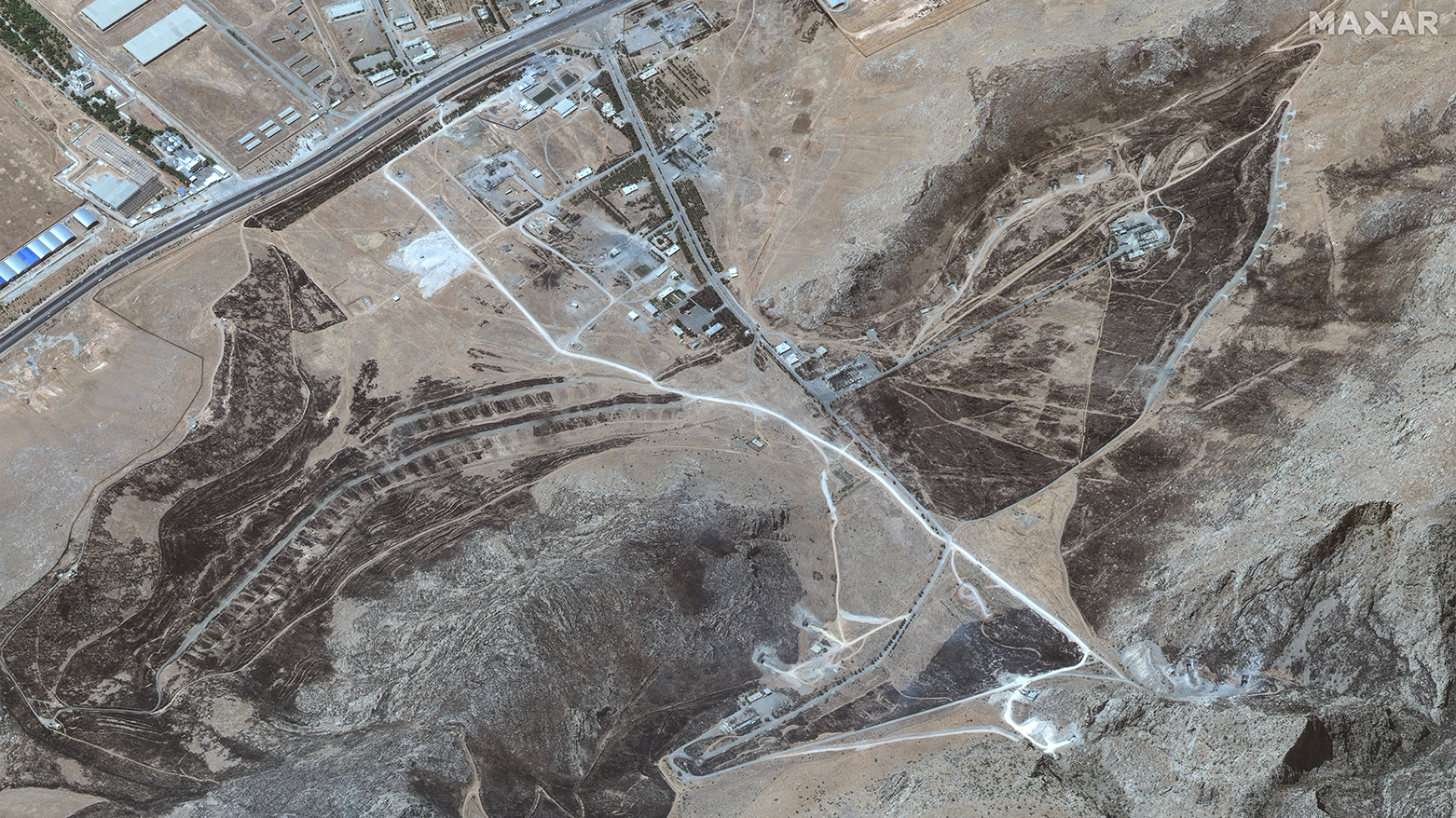
ERBIL (Kurdistan24) - As military tensions between Iran and Israel escalated into a fourth consecutive day on Monday, the Israeli army announced what it described as a significant blow to Iran's missile capabilities. According to a report by Agence France-Presse (AFP), Israel’s military stated it had destroyed approximately one-third of Iran's surface-to-surface missile launchers in a series of coordinated airstrikes.
“More than 50 fighter jets and aircraft carried out strikes and destroyed over 120 surface-to-surface missile launchers. This amounts to one-third of the surface-to-surface missile launchers possessed by the Iranian regime,” said Israeli military spokesman Brigadier General Effie Defrin in a televised statement, as reported by AFP.
The announcement comes amid a broader regional conflict that has seen repeated airstrikes, including Israeli attacks targeting Iranian infrastructure and Iranian retaliatory strikes.
In a related development, the International Atomic Energy Agency (IAEA) addressed international concerns over the security of Iran's nuclear facilities, specifically the Natanz uranium enrichment site.
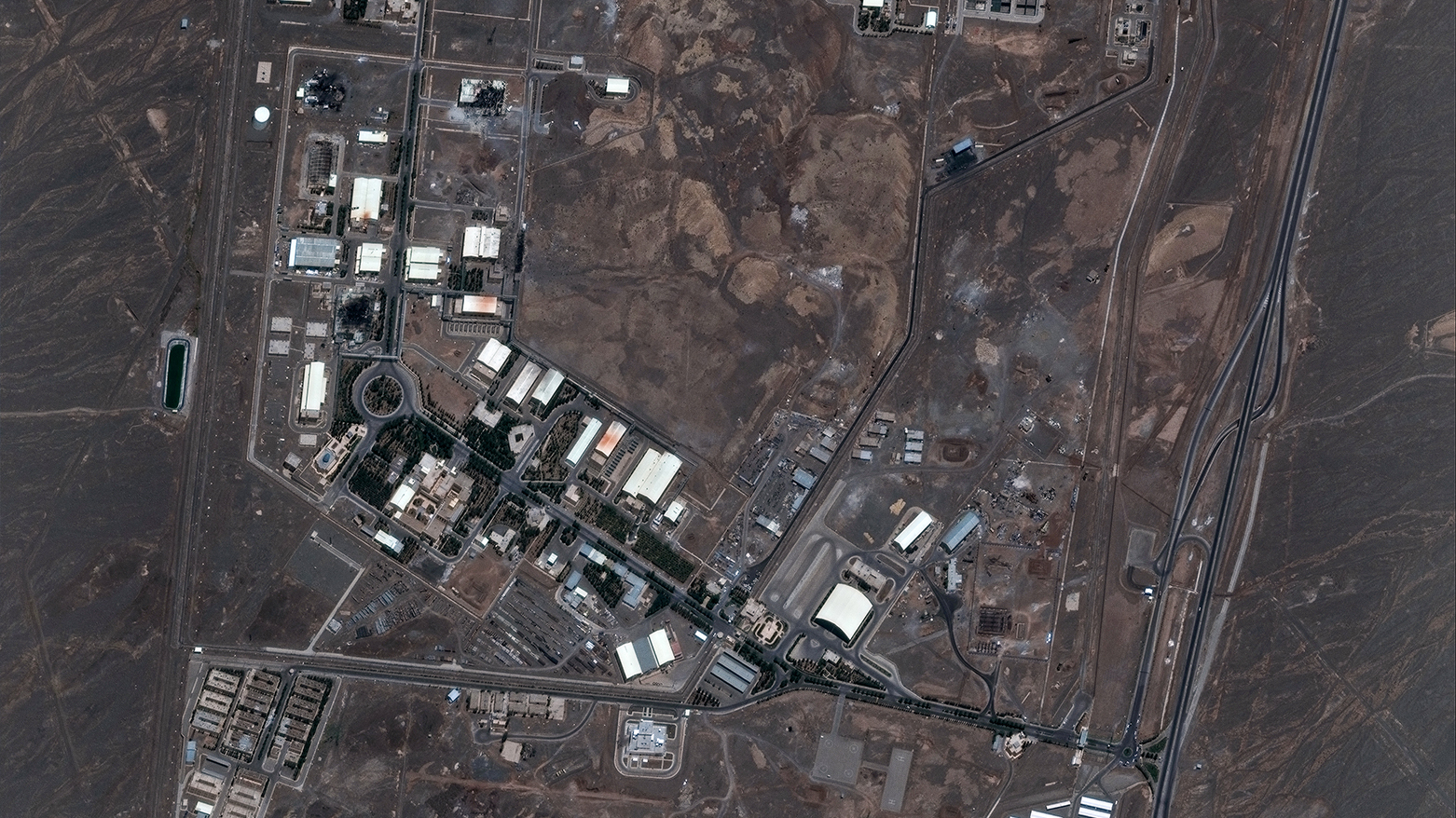
According to AFP, IAEA Director General Rafael Grossi told an emergency board session on Monday that there was "no indication of a physical attack on the underground cascade hall containing part of the Pilot Fuel Enrichment Plant and the main Fuel Enrichment Plant."
However, Grossi cautioned that, “The loss of power to the cascade hall may have damaged the centrifuges there,” indicating potential disruption to Iran’s enrichment capacity.
On the ground in Iran, the conflict’s impact continued to unfold with severe consequences for civilian infrastructure.
Iranian media, as cited by AFP, reported that a new Israeli strike had targeted western Iran. According to the semi-official Tasnim news agency, “The Zionist regime has brutally attacked the fire department building at the Musiyan municipality” in Ilam province.
Footage from the site showed smoke billowing from the damaged structure.
Elsewhere, another strike caused collateral damage to healthcare facilities.
In the city of Kermanshah, the Tasnim news agency reported, “Following the Zionist criminal regime's attack on a nearby workshop in Kermanshah city, Farabi Hospital also suffered serious damage.” Fars News Agency shared video evidence showing shattered glass, collapsed ceilings, and significant structural damage to hospital rooms.
The Israeli military has not commented on the reported civilian infrastructure damage. Meanwhile, Iranian officials have condemned the attacks as illegal and in violation of international norms, asserting the right to defend the nation’s sovereignty and respond to continued assaults.
The current escalation marks one of the most intense direct confrontations between Iran and Israel in years. Both sides have traded accusations and carried out retaliatory operations, with increasing concern from international observers over the risk of regional destabilization.
Further developments are expected as the situation continues to unfold.